Two weeks have passed since my last newsletter, and I have to confess that not a whole lot has happened on the farm since then. The soil temperature has stubbornly stayed around 60 to 65 degrees for weeks on end which means that many of the seeds that were supposed to already be planted out are still tucked up warm and cozy inside of their seed packets. Still, I did manage to get a few crops into the ground last week: beets and lettuce were seeded as well as arugula which can germinate at just 40 degrees!
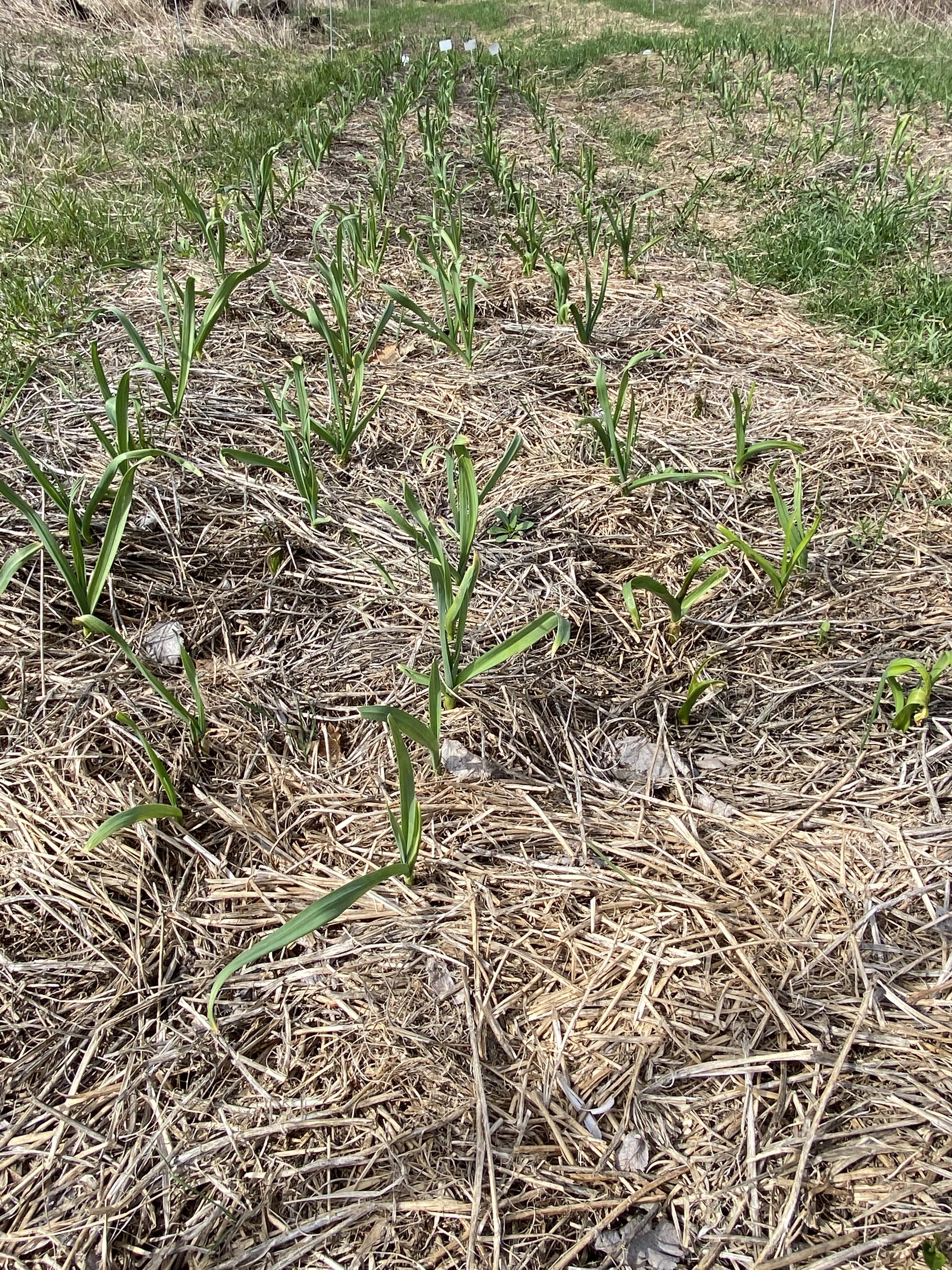
The garlic has been growing very well since we took off the row cover and put up the electric deer fence two weekends ago. It is amazing to see how resilient plants are: the garlic seems to have recovered just fine from the earlier deer grazing and is now growing strong and tall.
Yesterday I raked the straw mulch off of the strawberries. Typically I wait until we’ve had about a week of 40 degree overnight temperatures to do this and normally this occurs around the third week of April. Doing it this late means that we might not be able to harvest strawberries until July this year. I haven’t farmed during a spring like this before, so it will be interesting to see how quickly the plants can catch up. Next week, I have 200 more strawberry plants arriving to be planted.
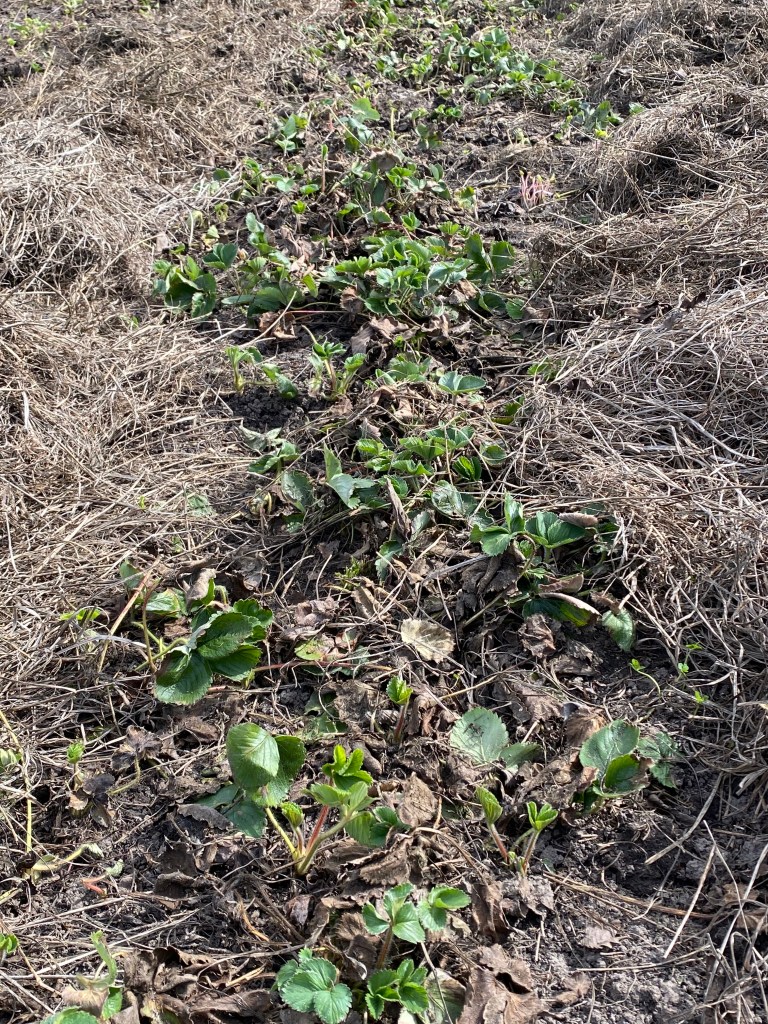
Strawberries are perennials and so for the first year after planting, I can’t harvest any berries. In fact, I actually have to pick off any flowers that show up because I want the plants to put their energy into growing nice, strong roots rather than into reproducing (a berry is, after all, one way a plant can spread its seeds around to make baby strawberries). Those strong roots will ensure that the plants are healthy, providing us with many big, delicious strawberries for years to come. Believe me, it is worth the wait!
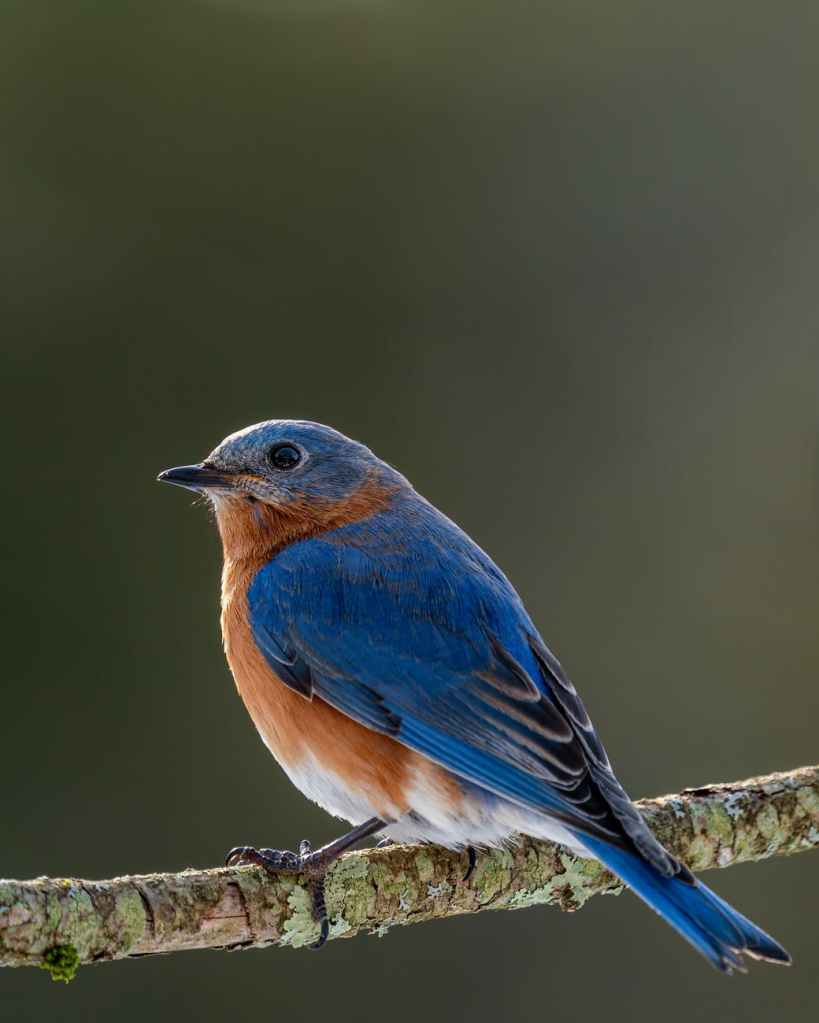
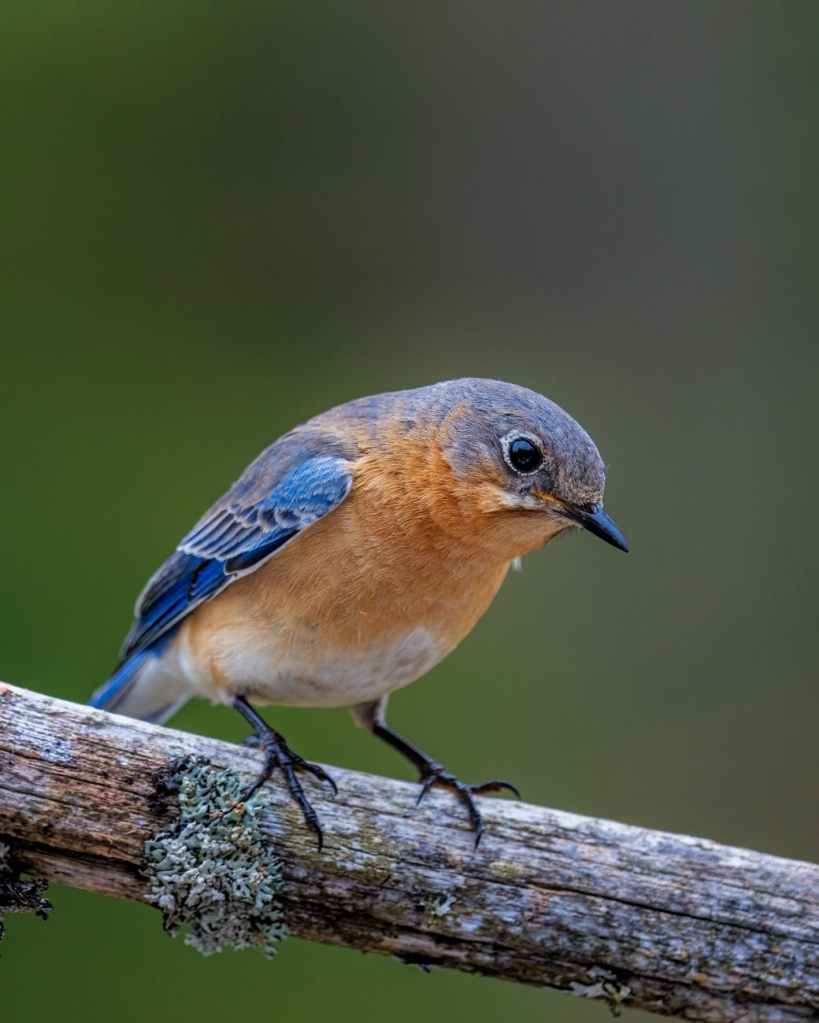
One thing that had me very excited while I was down in the strawberry field was seeing an Eastern bluebird sitting on the bluebird house we always put down in the field for them. Every year, we have a couple of bluebirds build a nest and hatch out one or two clutches of baby birds. The kids and I enjoy checking on the nest and hatchlings as the summer goes on, and I enjoy having the birds to keep me company while I’m working in the field. Eastern blue birds are insectivores, and I like to think that they are helping us out by eating some of the insect pests that would otherwise eat our crops. In 2021, hundreds of thousands of bluebirds died in a freak February storm down south, where they spend their winters, and no bluebirds found their way to our farm last year. We really missed having them around and I am thrilled to welcome them back.
This upcoming week I should be able to get many more seeds into the ground, especially if we continue to get some sunshine to warm the soil. I may also be able to start transplanting out some of the seedlings that were started inside. Right now, I think that we may be a week or two behind from when I hoped to get you your first CSA box, but we’ll see. Nature has a way of surprising me!
 Middle Fork Farm