
The first day of school is always a little bittersweet for me. This morning we took our usual “First Day of School” photo of Simon under the Japanese lilac tree in the front yard and then I shed a few tears as Erik drove him off to the bus stop and to the 8th grade. Soon, things will be quieter around here than they have been in months, and while things won’t be nearly as entertaining as they have been, I will also relish some alone time. It will allow me a chance to catch up on some long-neglected farm paperwork and to start turning my attention more fully to fall tasks. I also have a stash of books and research articles about organic farming that I am looking forward to delving into. That’s one thing I enjoy about regenerative farming: there’s always something to learn and always someone to learn from.
What’s in My Box this Week?
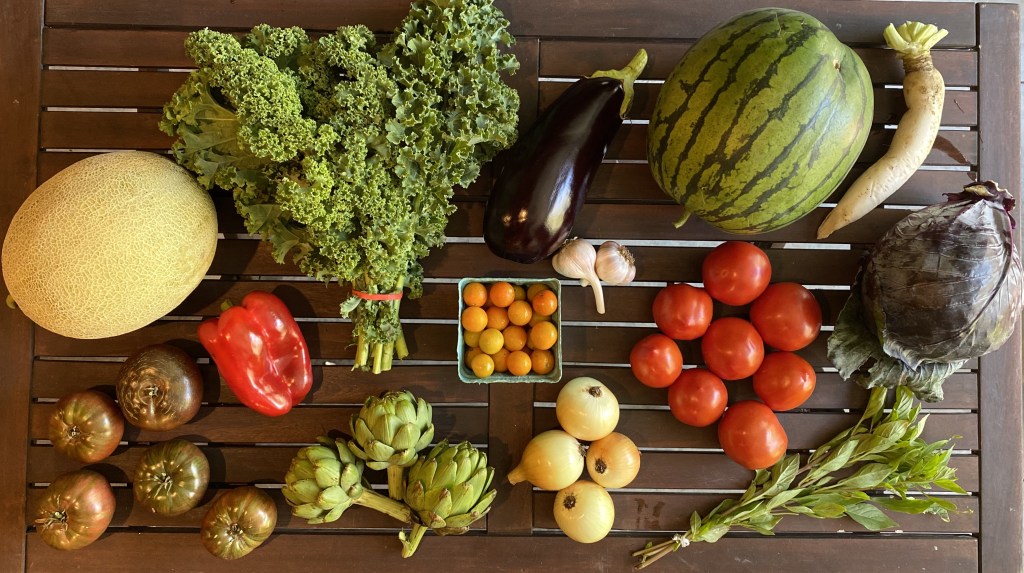
Artichokes (Some Large Shares Only) – Most people have only ever eaten marinated artichoke hearts, so I’ve included a link with instructions for how to cook with fresh artichokes in the Recipe section below. When storing, leave the artichokes unwashed. Place the artichokes in a plastic bag and store in the coldest part of your refrigerator for up to one week. When you are ready to cook, gently rinse in cold water in a colander. Remove the stem and part of the top with a serrated-edge knife.
Cantaloupes – The grasshoppers are going crazy in the field, feeding on the rinds of all of the melons. I may harvest the cantaloupes a little earlier than I usually would in order to minimize the damage and ensure that I have these fruits for you. This means that they won’t be quite ready to eat when you get them, but cantaloupes continue to ripen after they’ve been harvested, so if you just set them on counter for a little while, they should be ready to eat within several days.
Once you have ripe cantaloupes, store them in the fridge. Store leftover melon in the fridge wrapped with plastic wrap. The flesh will dry out if left exposed. Use quickly.
Cherry Tomatoes – This week’s variety of cherry tomato is still Sungold. Cherry tomatoes can over-ripen pretty quickly, so it can be a good idea to store them in the fridge if you’re not going to eat them right away.
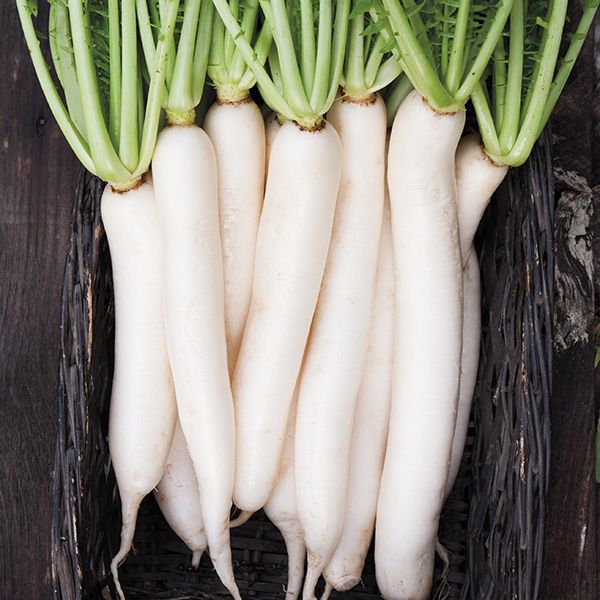
Daikon – Daikon are sometimes called winter radishes, but although radishes and daikon are in the same plant family, Daikon aren’t actually radishes. Long, tubular root vegetables that white and crunchy with a mild flavor and only a slight peppery bite, Daikons are common in traditional Japanese food and other Asian cuisines. (Photo: High Mowing Seeds)
Each root can weigh between two and six pounds and they can penetrate deeply into the ground, making them difficult to dig out. In fact, some of the Daikon roots you receive might be broken off at some point; the soil in our field gets a little compacted some distance down (I’m working on fixing that…) and so sometimes when we dig them out, they break off. They are still perfectly good to eat, however much of the root we’re able to harvest.
To store, refrigerate in a plastic bag in the crisper drawer of your fridge for best storage. They will easily keep for six to eight weeks this way. If you have to store them loose, they should still last a month. After that they will begin to get a bit softer but will remain usable for two to three months.
Eggplant – Once again, everyone will get either a handful of Asian (Pingtung) eggplants this or an Italian eggplant (fat and dark purple) this week. Eggplant is very perishable, so use it quickly or at least within the week. To store in the fridge, wrap it unwashed in a paper towel (not plastic) and keep in your crisper. You can also store it unrefrigerated at a cool room temperature.
Garlic – Now that all of our garlic has been cured, the best way to store it is to keep it in a dark, dry, well-ventilated place at a cool room temperature. It can keep for several months if stored appropriately. Warm temperatures will encourage the cured garlic to sprout which will reduce the quality of it.
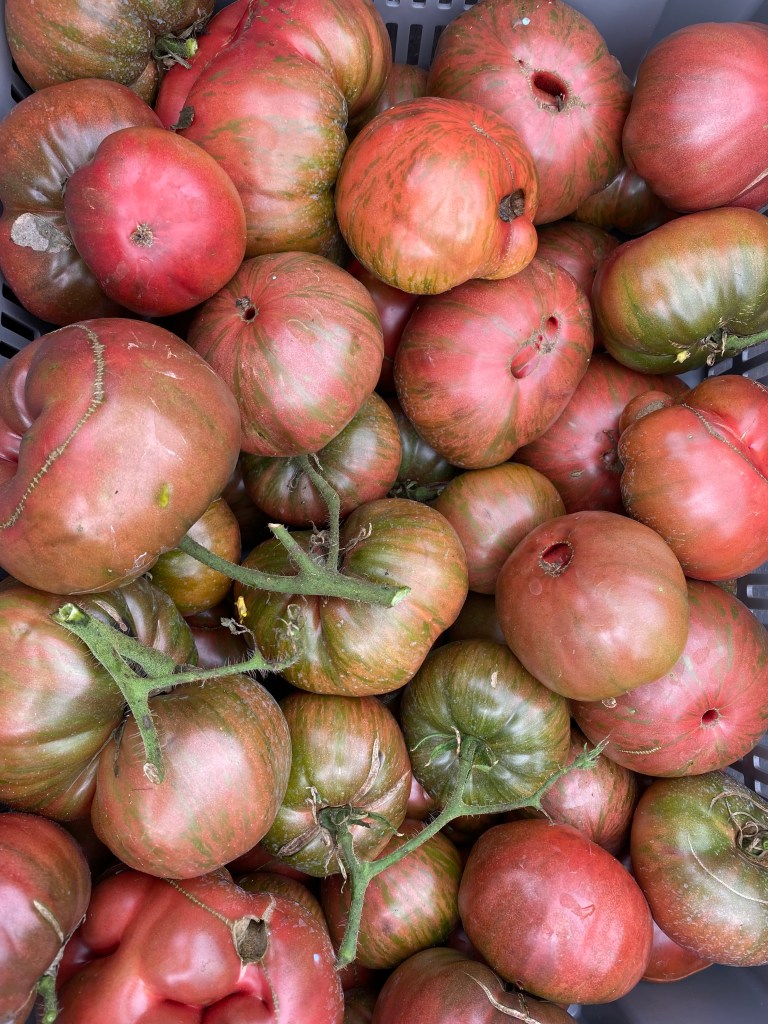
Heirloom Tomatoes – This week you will get Berkeley Tie Die, Cherokee Purple, and/or Black Krim tomatoes. Cherokee Purple tomatoes are believed to trace back over 100 years to the Cherokee tribe. They are the most popular of the “black” tomatoes because of their outstanding flavor and texture. Black Krims are originally from the Crimean peninsula in the Black Sea; they turn almost black with sufficient sunlight and heat and have an excellent full flavor. Store at room temperature for up to a week. Do not refrigerate.
Red Cabbage (Most Shares – if you don’t get one this week, you’ll get it over the next couple of weeks) – Cabbage can store for three weeks to two months and it doesn’t require much special care to have it last this long. Just keep it in the crisper of your fridge and remove the two outer leaves before eating. (These leaves are used to help store the cabbage.)
Red Sweet Peppers – Refrigerate peppers unwashed in a sealed plastic bag in the crisper drawer for one to two weeks.
Slicer Tomatoes – Store at room temperature for up to a week. Do not refrigerate.
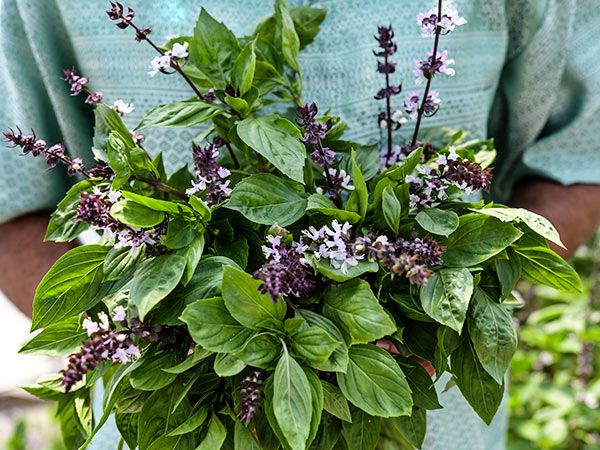
Thai Basil – Thai basil is native to Southeast Asia and is savory, spicy, and anise-like, adding a distinct pungency to dishes that helps to round them out. It is common in Thai curries, salads, and stir-fries. In Vietnam it is used as just one of the many garnishes with pho. (Photo: Baker Creek Seeds)
Watermelon (Large Shares and Standard Shares who haven’t gotten one yet) – To store, refrigerate right away as watermelons don’t continue to ripen once picked. Cut melon should be covered in plastic wrap, and chunks or slices should be kept in an airtight container. Eat melons within a week.
White Curly Kale – Place kale unwashed, wrapped in a sealed plastic bag in the crisper drawer of the refrigerator. Best used very fresh, but may last for a week.
Yellow Onions – Store in a cool dark place. These onions are freshly harvested and haven’t gone through the curing process that we typically use when preparing onions for longer storage, so while they won’t last as long as those you might buy at a store, but they will be good for a week or two.
Notes from the Field
As you know from my Week 12 newsletter, we mostly took a break from fieldwork last week, and this week will be more of the same as we start up our new fall schedule and get things situated for school again.
Still, we did manage to finish a major task when we spent last Tuesday and Wednesday cleaning up the cured garlic. Our friend and neighbor (and the kids’ former babysitter and summer helper around the house), Lauren, spent her last two days before returning to college sitting in the barn with us, catching up, and helping to process the garlic.
While we were working, we realized that Lauren was Simon’s age when we first moved here, and now she is starting her senior year in college. It is in no small part thanks to Lauren watching the kids when they were younger and taking care of the house on my workdays that the farm is still in existence. We keep trying to find a “new” Lauren, but no one can ever take her place.

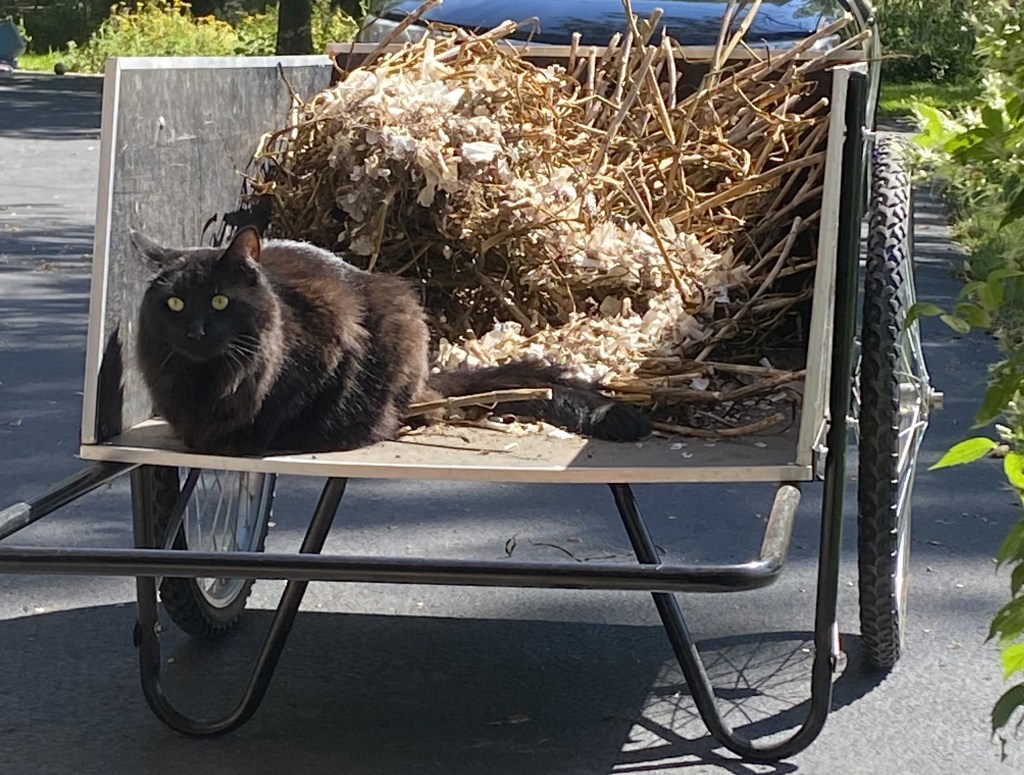
That’s one thing about the farm that has been both unexpected and beautiful: we’ve had several people work or volunteer here over the years and they have come to feel as if they are part of our big farm family. I have learned that organic farming is not simply about the relationships among the plants and myself. It’s also about the relationships between everything that lives on the land, and about all the people who have helped nurture those relationships, either by lending a hand or by eating what we’ve grown.
One of the relationships we’ve established over the last couple of years is with the Rochester Outreach Center, a local non-profit that collects food for families in need. In the winter, when I plan out how much to grow for the following year, I include extra that I intend to go to area food banks. (We also donate to the Oronoco Food Shelf and Channel 1 from time to time.) So far this year, we’ve been able to donate almost 400 lbs. of produce worth about $1,100. We are so happy to be able to share our veggies with those in our community who might otherwise have difficulty finding and affording fresh, organic produce.
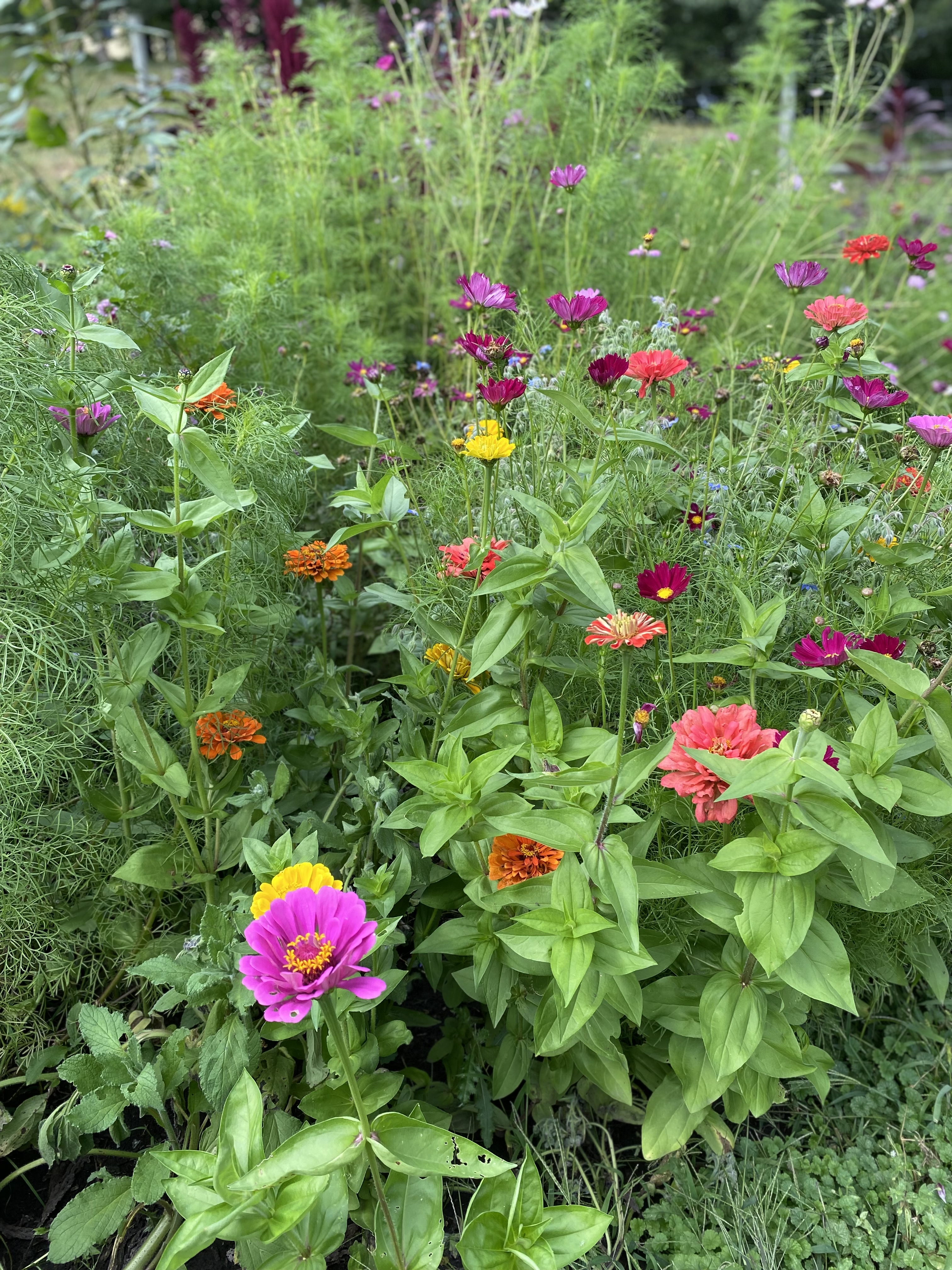
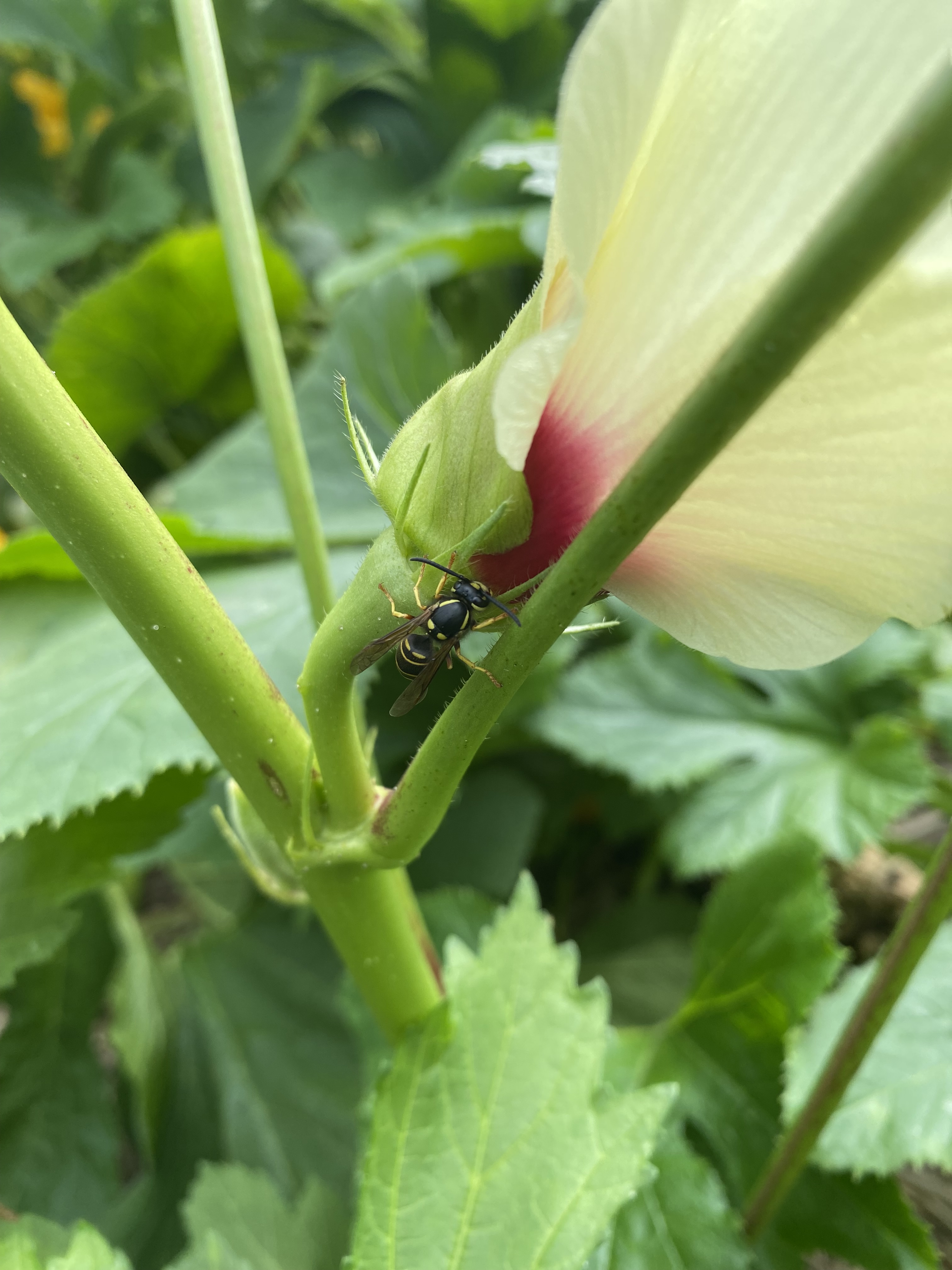
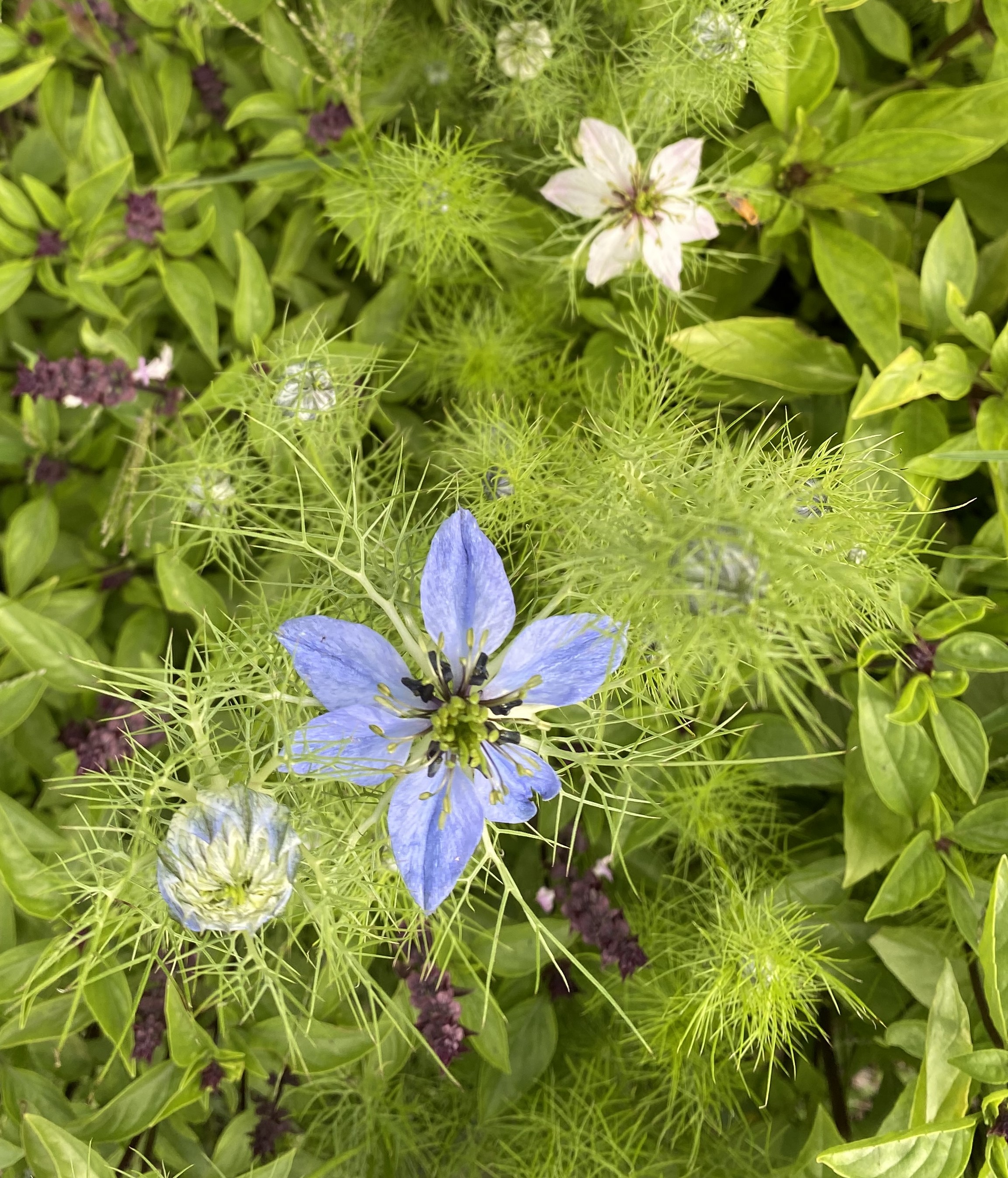
Here are some of Simon’s photos from last week:

Recipes
Big Heart Artichoke and Parmesan Soup // Uses Artichokes, Garlic, (Thyme and Yukon Gold Potatoes if you have some leftover from last week) // Vegetarian
Buddha Bowl // Uses Kale, Red Cabbage, Watermelon Radishes // Vegetarian
Chicken and Mushroom Sauced Noodle with Thai Basil // Uses Thai Basil
Daikon Au Gratin // Uses Daikon // Vegetarian
Daikon Radish Kimchi // Uses Daikon // Vegetarian
Grilled Artichokes // Includes Artichokes, Garlic // Vegetarian
How to Cook and Eat an Artichoke
Roasted Daikon Radish, Carrots, and Peppers // Uses Daikon, Red Bell Peppers // Vegetarian
Spinach, Feta, Watermelon Radish Quiche // Uses Garlic, Watermelon Radishes // Vegetarian
Stir Fried Chicken with Eggplant and Thai Basil // Uses Eggplant, Garlic, Thai Basil
Recipe by Martha Rose Shulman
Serves 4
Ingredients
- 1pound eggplant, preferably long Japanese or Chinese eggplants, diced
- Salt to taste
- 3 large garlic cloves, peeled, halved, green shoots removed
- 2 serrano chiles, stemmed and minced
- 1 tablespoon minced ginger
- 1 tablespoon fish sauce
- 2 teaspoons soy sauce
- 1 teaspoon sugar
- Freshly ground black pepper to taste
- 2 tablespoons peanut or vegetable oil
- ¾pound boneless, skinless free-range chicken breasts, rinsed and dried, cut into small dice or minced
- 1 cup Thai basil leaves, roughly chopped
Preparation
- Salt the eggplant generously and leave in a colander to sweat for 15 to 30 minutes, while you prepare the remaining ingredients. Rinse and drain on a clean kitchen towel.
- Place the garlic in a mortar with ¼ teaspoon salt and mash to a paste. Add the ginger and chiles, and continue to mash with the garlic. In another small bowl, mix together the fish sauce, soy sauce, sugar and pepper. Set aside.
- Heat a large, heavy skillet or wok over high heat, until a drop of water evaporates immediately upon contact. Add 1 tablespoon oil, turn the heat down to medium-high, and add the garlic paste. Stir-fry for 30 seconds, and add the chicken. Stir-fry for three to four minutes, until the chicken is cooked through and no traces of pink remain. Transfer from the pan or wok to a plate or bowl.
- Add the remaining tablespoon of oil to the pan. Add the eggplant. Cook, stirring, until the eggplant is lightly browned and almost cooked through, about 10 minutes. Stir the chicken back into the pan, and add the fish and soy sauce mixture. Add ¼ cup water, cover the wok or pan, turn the heat down to medium and steam for five minutes. Uncover, and stir in the basil leaves. Stir for 30 seconds to a minute, remove from the heat and serve with rice.
Summer Gazpacho // Uses Garlic, Sweet Peppers, Tomatoes, Cucumber (if you have one leftover from last week). Also, add Cantaloupe or Watermelon to really make this sing // Vegetarian
Thai Basil, Cucumber, and Cantaloupe Salad // Uses Cantaloupe, Cucumber (if leftover from last week, Thai Basil (I bet watermelon could sub for cantaloupe, too) // Vegetarian
Thai Panang Curry with Vegetables // Uses Garlic, Red Sweet Pepper, Thai Basil, Yellow Onion // Vegetarian
The Most Amazing Roasted Artichokes // Uses Artichokes, Garlic // Vegetarian
Vegan Fresh Artichoke Dip with Lemon and Garlic // Uses Artichokes, Garlic (can sub regular mayo and cheese if you don’t prefer the vegan versions) // Vegan
Vietnamese Pickled Carrots and Daikon // Uses Daikon // Vegetarian
Watermelon Radish, Orange, and Goat Cheese Salad // Uses Watermelon Radishes // Vegetarian
 Middle Fork Farm