
Here we are, just three days away from the fall equinox. The leaves on the trees are starting to turn color. The yummy giant puffball mushrooms, which you can eat, are popping up in the woods, and the deer are out in full force. Every critter imaginable seems to be rushing to put on some fat as quickly as possible. Besides the gophers eating what they can, I think there may be a rogue bunny in the field eating all of the carrot tops. And for some reason, the squirrels appear to find the siding on our garage particularly delectable.

It’s hard to blame them… I am also starting to crave warm comfort foods like soup, pie, and bread. September is a great food month when all of the summer crops meet up with the fall crops and cooks can get pretty creative in the kitchen. This may be one reason it is my favorite time of the year! (Giant puffball photo from Eattheplanet.org)
What’s in My Box this Week?
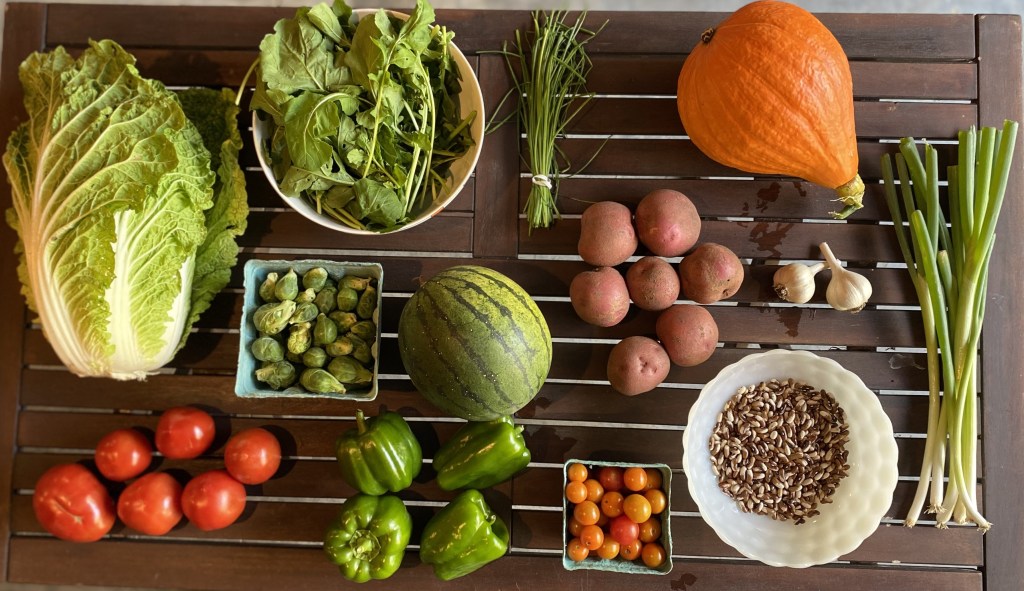
Arugula (Small Shares Only) – Arugula doesn’t last much longer than a couple of days, so try and use it right away. Store it in the fridge in a plastic bag.
Brussels Sprouts (Small Shares who didn’t receive them last week) – Store in a bowl or open container in the fridge. Do not trim or discard outer leaves before storage. Brussels sprouts should last up to a month this way. The outer leaves might get a little shriveled but you typically remove them anyway.
Cherry Tomatoes – This week’s cherry tomatoes will be a mix of orange Sungolds and red Peacevines. Cherry tomatoes can over-ripen pretty quickly, so it can be a good idea to store them in the fridge if you’re not going to eat them right away.
Chives – Store in a small jar with about an inch of water in the fridge. Make sure to put the stem side in the water, not the tender leaf tops. You can also keep them in the fridge in a plastic bag.
Garlic – Keep in a dark, dry, well-ventilated place at a cool room temperature. It can keep for several months if stored appropriately. Warm temperatures will encourage the cured garlic to sprout which will reduce the quality of it.
Mizuna (Large Shares Only) – To store, keep dry, unwashed greens in a plastic bag in the fridge for up to a week. Wash right before using.
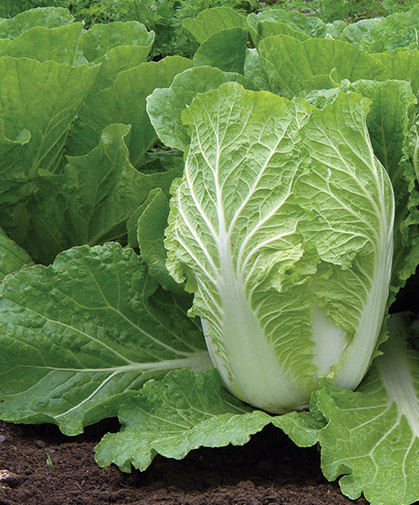
Napa Cabbage (Large Shares and MAYBE Some Small Shares) – Napa cabbage is a member of the brassica family (along with broccoli, cauliflower, turnips, Brussels sprouts, etc.) that grows best in cool weather. It has an oblong shape and leaves that are more tender than those of regular cabbage. The taste is a little sweeter and milder than regular cabbage while the texture is a bit softer, and while it is easier to cook down than regular cabbage, it’s also delicious raw. (Photo from Johnny’s Selected Seeds)
For maximum storage, remove any wilted or browning outside leaves, place in a plastic bag and store in the fridge.
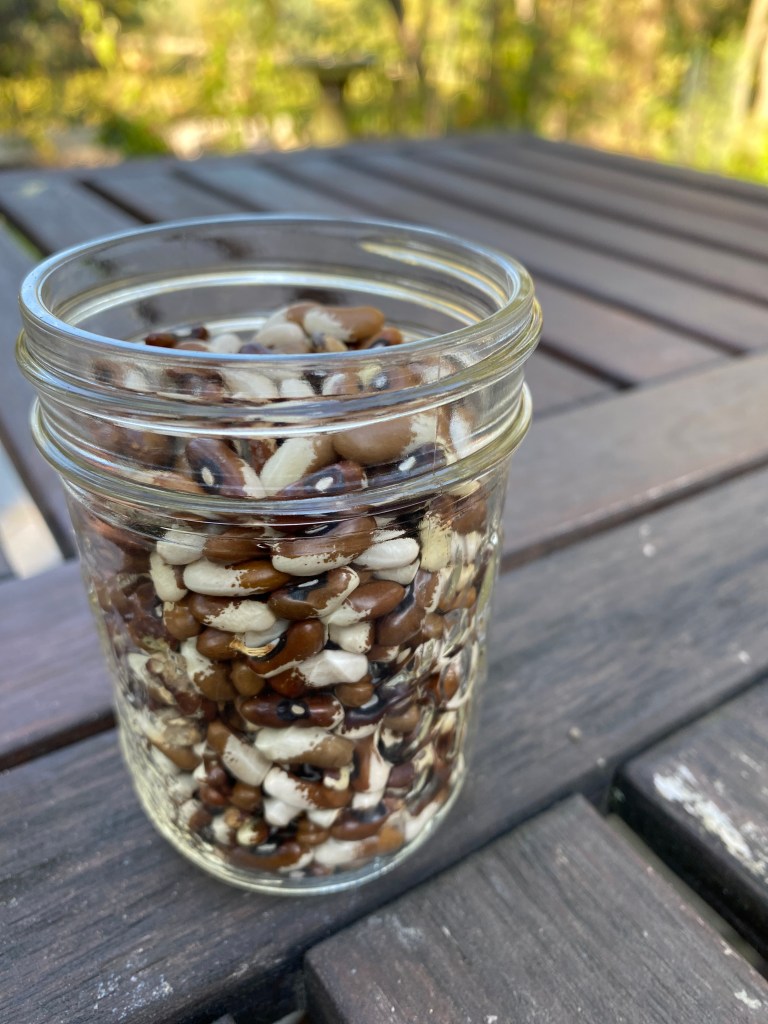
Painted Pony Dry Beans – Remember those fresh green beans you received earlier in the season? I let some of them continue growing and they have dried and can now be used as delicious soup beans. I figured with the colder weather coming, some of you might want to make some hearty soups. Just substitute these for pretty much any other kind of bean in your favorite recipe.
Potimarron Squash (Large Shares Only) – Store winter squash in a cool, dry place and try to use within a week or two. Do not store in the fridge. This will cause it to spoil much more quickly.
Red Maria Potatoes – Red Maria is a late-season potato with extra-sweet moist flesh that is perfect for boiling, mashing, roasting, or being made into potato salad. It retains its moisture when baked and stores well for many weeks. The potatoes you’re getting this week are freshly harvested. Their skin is really delicate; thus, I’m not going to wash them before giving them to you.
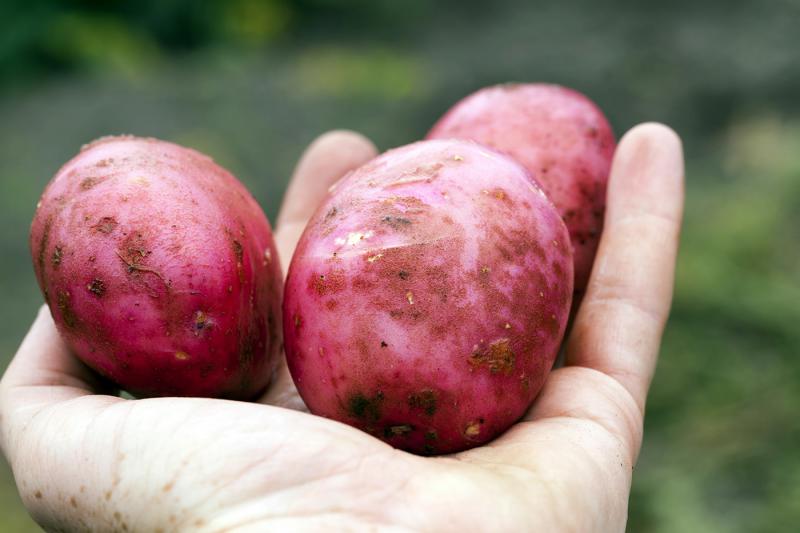
Keep unwashed potatoes in a cool, dark, dry place, such as a loosely closed paper bag in a cupboard. They will keep for two weeks at room temperature. Light turns them green, and proximity to onions causes them to sprout. Don’t put them in the refrigerator, as low temperatures convert the starch to sugars. (Photo: RSOOL / ADOBE STOCK PHOTO)
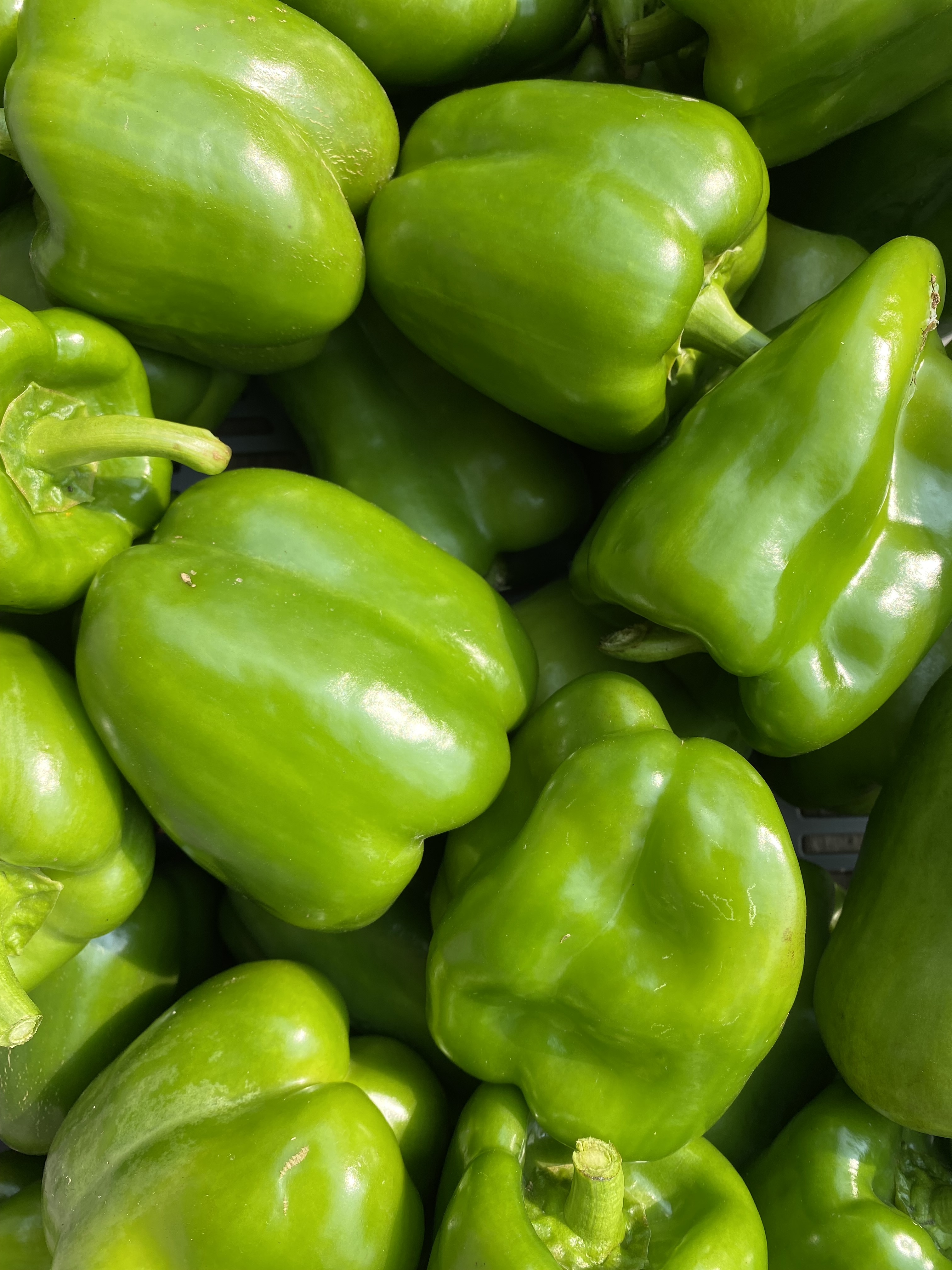
Red and/or Green Sweet Peppers – Refrigerate peppers unwashed in a sealed plastic bag in the crisper drawer for one to two weeks.
Scallions – Store in the veggie drawer of your refrigerator and try to use within a week. If you use these after a week, you can peel off any dry and/or “slimy” outer layers of the onion.
Slicer Tomatoes – Store at room temperature for up to a week. Do not refrigerate.
Watermelon (Small Shares Only) – I’m not sure that these will be as red or as sweet as those earlier in the season because watermelon thrive best in heat, but they appear to be ready for harvest, so let’s give it a try. To store, refrigerate right away as watermelons don’t continue to ripen once picked. Cut melon should be covered in plastic wrap, and chunks or slices should be kept in an airtight container. Eat melons within a week.
Notes from the Field
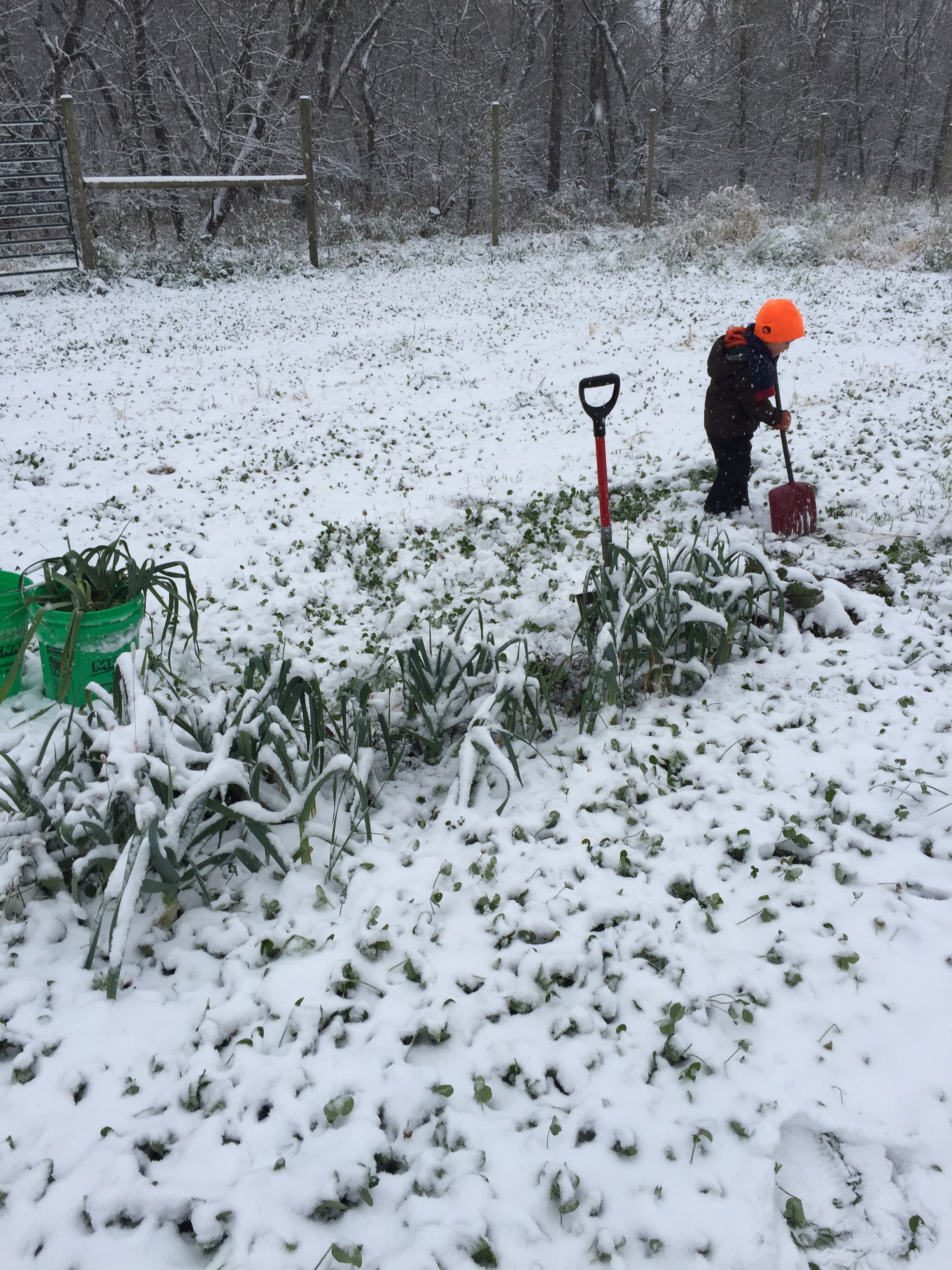
Whenever I’ve talked to friends and family lately, they’ve said something along the lines of: “So, the farm must be done for the year, right?” Little do they know! While things are definitely slowing down (as I’ve wrote in recent newsletters), I could keep the farm up and running well into the beginning of November and, if I really wanted to push it, December. I have cleaned up leeks with snow falling around me and I have harvested spinach at Christmastime before. I don’t think that will be the case this year, but there is still work to be done for another month or two, even after the CSA season concludes.

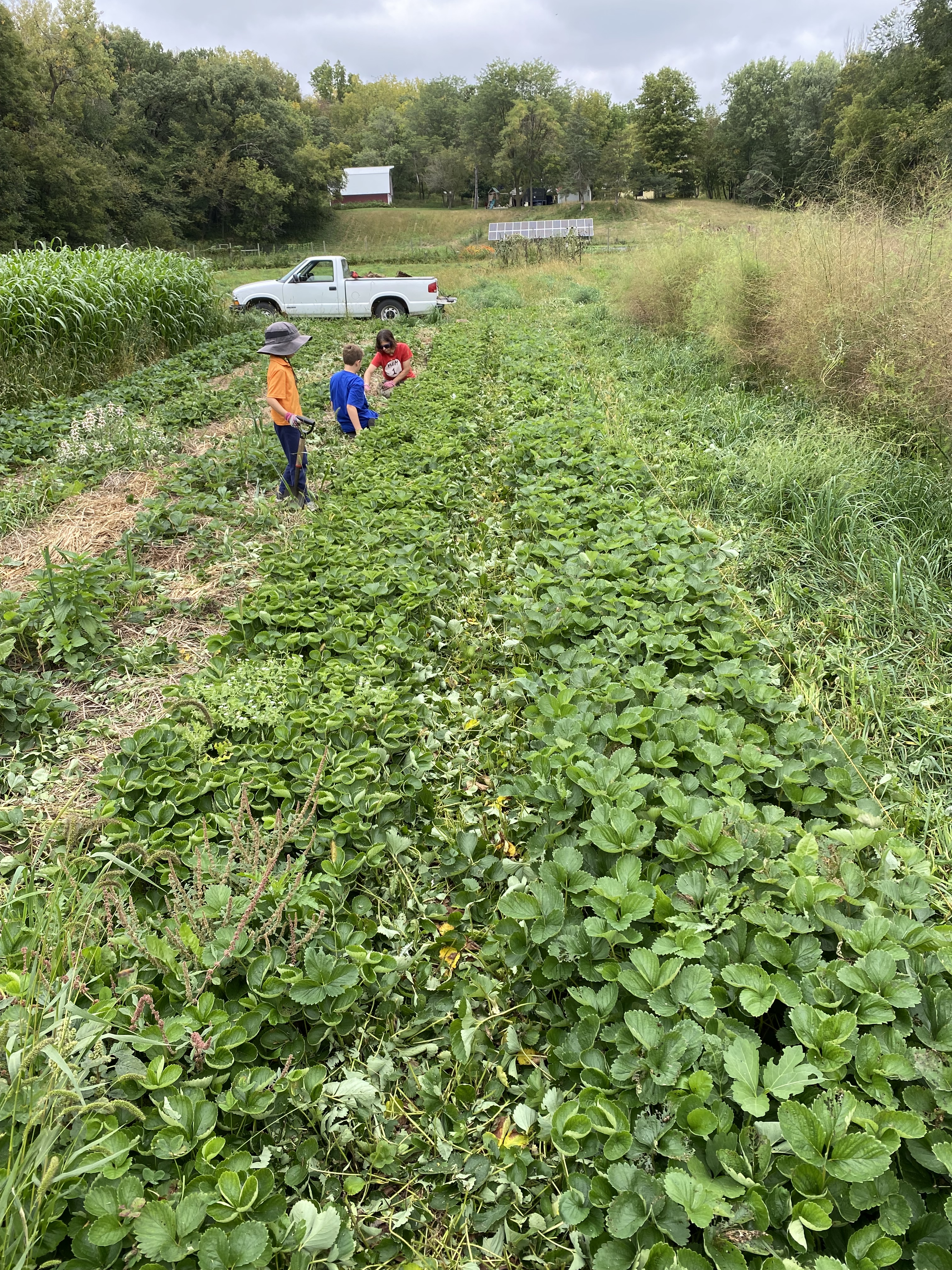
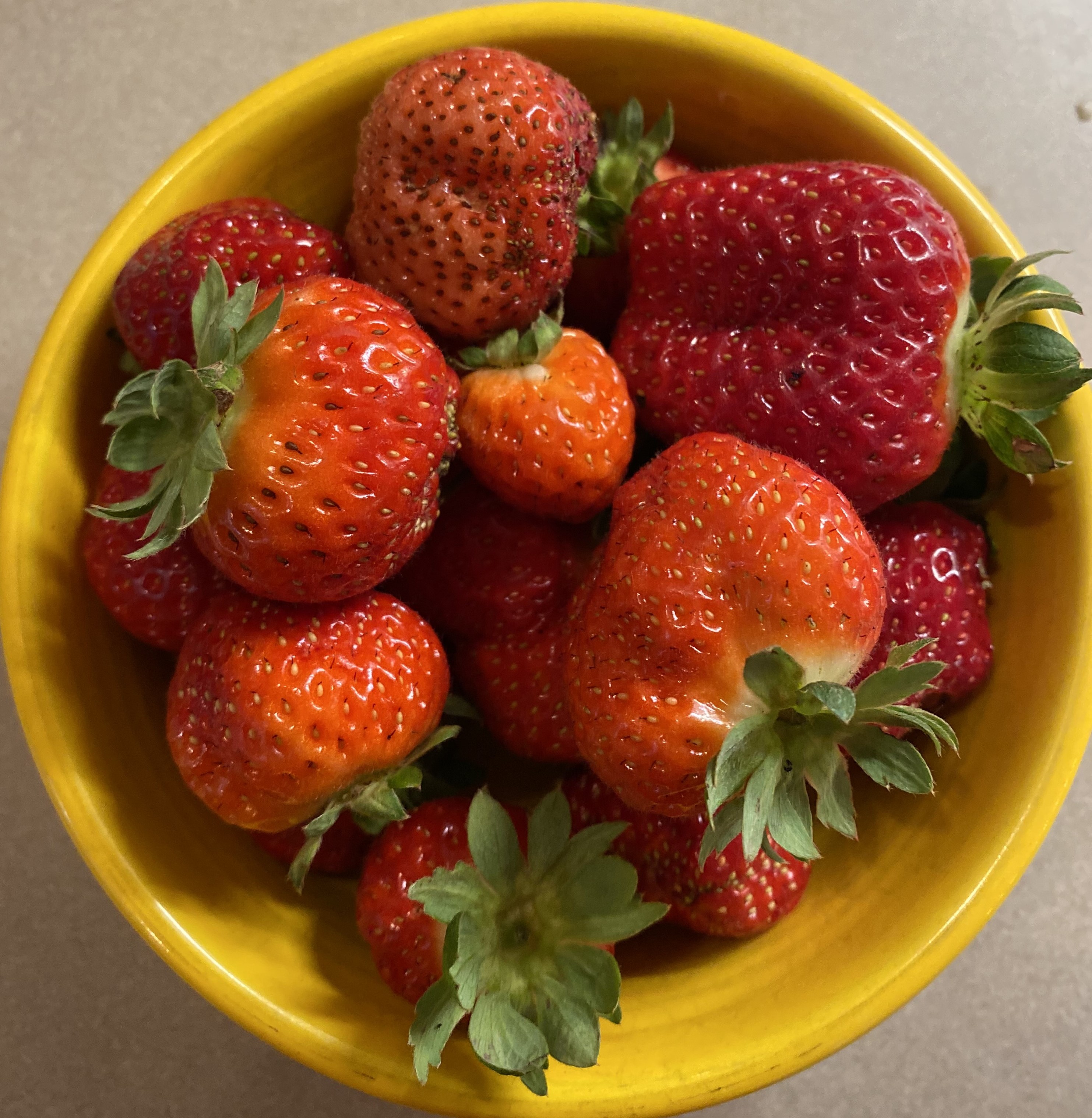
We accomplished one of our fall tasks yesterday when the whole family pitched in to clean up the strawberry patch one last time before winter. The runners had taken over all of the paths, so we had to cut them out in order to re-establish and narrow the rows. Skinny rows allow better sunlight penetration into the crop canopy, better disease control due to improved air circulation, and better fruit quality. Also, yield is higher on row edges. It’s a little annoying to spend so much time on the strawberries when we really didn’t get to harvest any this year, but farming is about optimism as much as it is about anything else. The thought that we might have a bumper crop next year motivates us to keep it up. And, while the everbearing varieties haven’t produced what I hoped they would this fall (I wanted to grow enough for the CSA), we still got this small bowlful to snack on which is something quite special in September!
Other than that, I pulled out the turnips, seeded some more sorghum sudangrass, and pulled many of the hoses out of the field for the season. I did have to water again, for the second week in a row. I am hoping for some decent rain this week. We could use it.
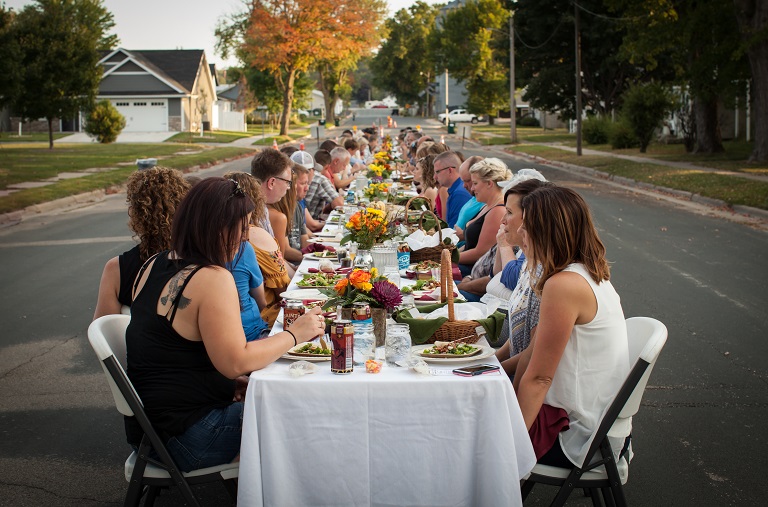
Finally, I did a bunch of harvesting and sold and donated several boxes of produce to the St. Charles Area Community Foundation for their annual Farm-to-Table fundraising dinner that was held this past Saturday. This event features food grown and raised by area farmers with proceeds benefiting many different groups and activities in the St. Charles area. This is our second year helping out and the menu looked amazing. We hope they had great success!
Recipes
17 Crispy, Crunchy Napa Cabbage Recipes
Cabbage and Snow Pea Rice Bowl with Warm Coconut Peanut Sauce // Uses Napa Cabbage, Scallions
Adapted from Bon Appetit magazine by The Leek & The Carrot
Takes 1 hour
Serves 8 to 12 (even more if eaten as a side dish only)
4-1/2 cups water
2 cups brown rice
1 teaspoon Kosher salt
1 head cabbage, cleaned and thinly sliced (I slice the white stem and green leafy portion together)
1/2 pound snow peas, ends removed and sliced
1 bunch radish, greens removed, cut in half and thinly sliced
1 bunch scallions, sliced (you can use all of the scallion, whites, pale green and dark green portions)
Warm Peanut Sauce:
1/2 cup creamy peanut butter
3/4 cup coconut milk
2 tablespoons brown sugar
2 tablespoon soy sauce or tamari
Juice from 1 lime (or 2 tablespoons lime juice)
1 tablespoon fish sauce
1/2 teaspoon red pepper flakes
Kosher salt
- Bring water to a boil in a large saucepan on the stove top over high heat. Once boiling, add rice and salt and reduce heat to low. Cover and cook for 50 minutes (or less, depending on your type of rice; read the package directions).
- While the rice cooks, prepare your veggies. In a (seriously really) large bowl, toss napa cabbage, snow peas, radishes, and scallions together.
- When the rice has about 10 minutes left to cook, begin the sauce. Combine peanut butter, coconut milk, brown sugar, soy sauce or tamari, lime juice, fish sauce and red pepper flakes in a large saucepan. Whisk together until smooth. Place on stove and turn heat to medium. Whisk until smooth and hot. If it seems too thick, add a bit of water and whisk it in. You will want the dressing to be warm to wilt the greens.
- Serve in a bowl with the ratio of about a 1/2 cup of rice to 2 cups of veggies. Pour about 1/4 cup of peanut sauce over the greens and toss gently to coat.
Easy Curried Red Potatoes // Uses Parsley, Red Potatoes, Scallions (Called Spring Onions in recipe) // Vegetarian
Grilled Napa Cabbage Wedges with Carrot-Ginger Dressing // Uses Carrots (if you have some leftover from last week), Napa Cabbage, Scallions // Vegetarian
Kimchi // Uses Carrots (if you have some leftover from last week), Napa Cabbage // Vegetarian
Painted Pony Bean Soup // Uses Carrots (if you have some leftover from last week), Garlic, Painted Pony Beans, Peppers
Roasted Red Potatoes // Uses Parsley, Red Maria Potatoes, Red Peppers, Scallions // Vegetarian
 Middle Fork Farm