
This week marks a big turning point on the farm: the first frost of the fall. Normally, I am pretty obsessively looking at the weather report all week to see whether we will have rain, but I was distracted the past few days with other chores and so was caught completely by surprise when I saw frost forecasted for the beginning of this week. I should have known it was coming. It is the end of September after all. This month has just flown by and so it doesn’t feel as if we could already be here, but here we are nonetheless. Many of our most beloved crops – tomatoes, peppers, potatoes, beans – will die once the frost hits, but the ones that survive will only taste better for it. Cabbages, broccoli, Brussels sprouts, and root vegetables convert some of their starches to sugars when the mercury drops, making them all the more delicious. I’m glad that you’ll have a week or two of frost-kissed veggies in your boxes before our season ends.
What’s in My Box this Week?
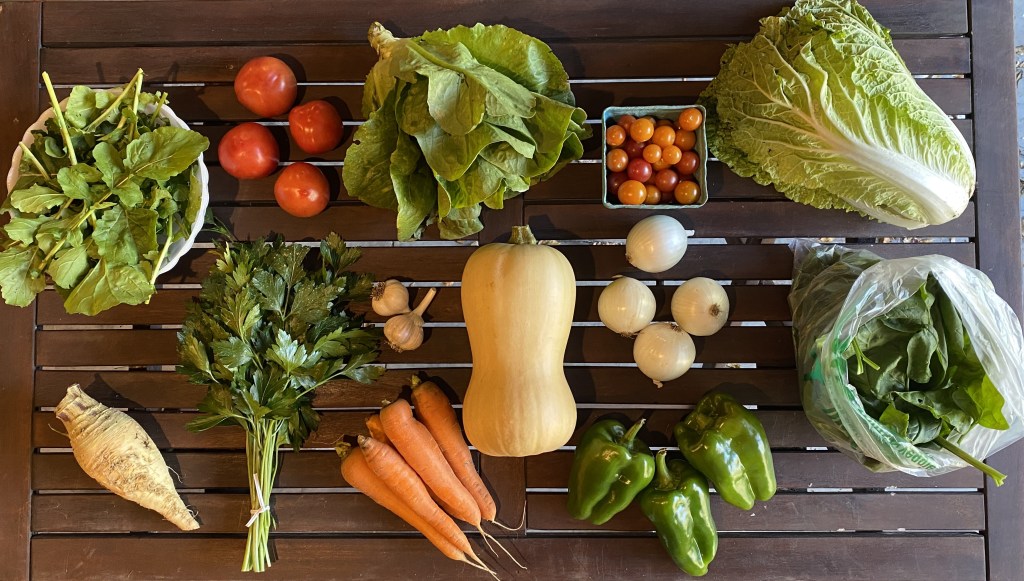
Arugula (Large Shares Only) – Arugula doesn’t last much longer than a couple of days, so try and use it right away. Store it in the fridge in a plastic bag.
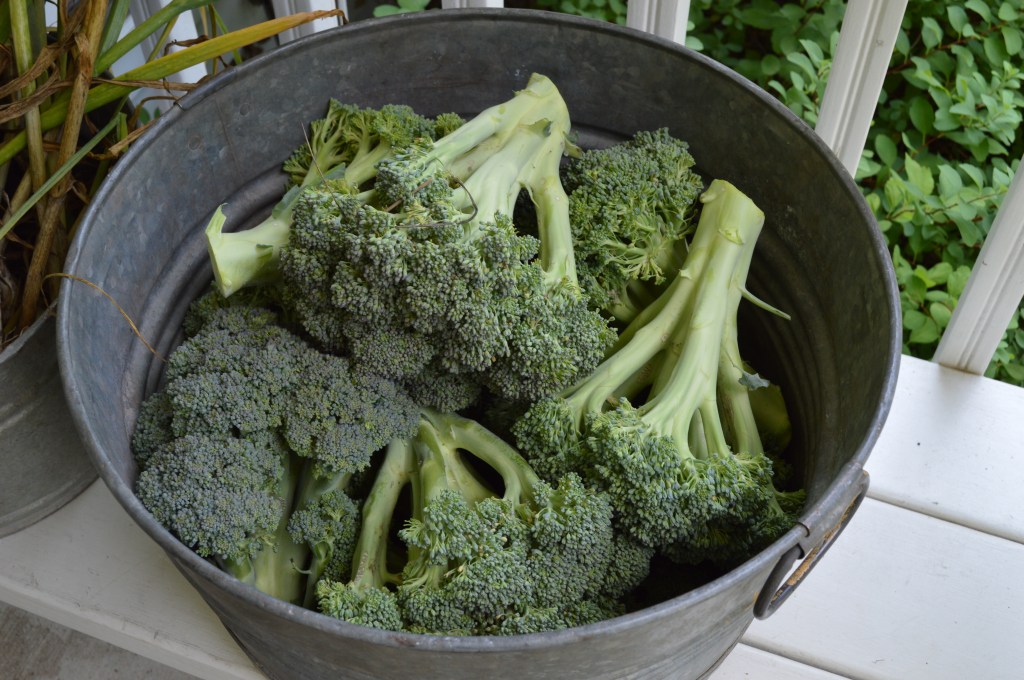
Broccoli (Large Shares and Some Standard Shares) – Wrap broccoli loosely in a plastic bag and keep it in the crisper drawer of your refrigerator. The colder, the better. Store for a week.
Carrots – The rogue bunny ate all of the carrot tops, so you’ll just be getting the roots this week. Place these in a plastic bag in the crisper drawer of your refrigerator. They will last for several weeks. You can also store them in a bin of water to keep them crisp, changing out the water every few days.
Cherry Tomatoes – Our last week of cherry tomatoes will be a mix of orange Sungolds and red Peacevines. Cherry tomatoes can over-ripen pretty quickly, so it can be a good idea to store them in the fridge if you’re not going to eat them right away.
Garlic – Keep in a dark, dry, well-ventilated place at a cool room temperature. It can keep for several months if stored appropriately. Warm temperatures will encourage the cured garlic to sprout which will reduce the quality of it.
Green Peppers – Refrigerate peppers unwashed in a sealed plastic bag in the crisper drawer for one to two weeks.
Napa Cabbage (Standard Shares Only) – For maximum storage, remove any wilted or browning outside leaves, place in a plastic bag and store in the fridge.
Parsley – Store in the fridge in a small glass with about an inch of water, stem side down (like flowers in a vase) for best storage.
Romaine Lettuce (Large Shares Only) – Store loosely in a plastic bag in the crisper drawer of your fridge. Keep unused leaves on the head. Ideally use within a week, but it will probably store for up to two weeks if needed.
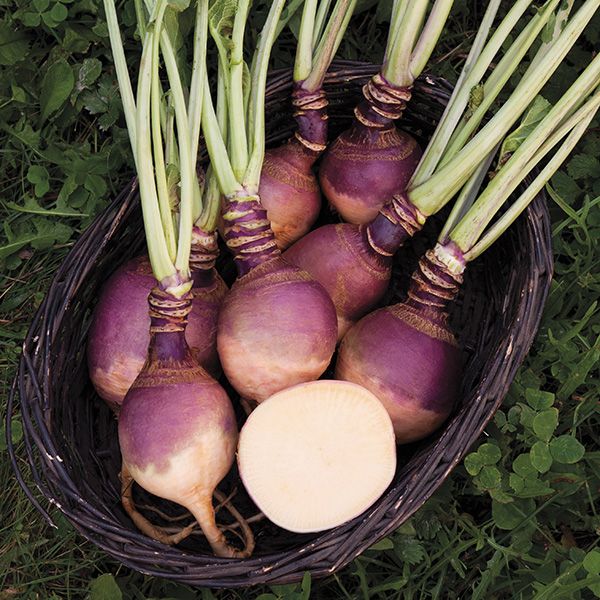
Rutabagas – Rutabagas originated in the 17th century and are a cross between a turnip and a wild cabbage. Because of this, rutabagas have a slightly bitter flavor similar to cabbage, but they are sweeter and milder than turnips when eaten raw. After cooking, they retain their sweetness while also becoming more savory. Store unwashed rutabagas in a plastic bag in the fridge for a month or longer. (Photo: High Mowing Seeds)
Slicer Tomatoes – Store at room temperature for up to a week. Do not refrigerate.
Spinach – Store dry, unwashed spinach in a sealed plastic bag for up to two weeks in the fridge. Right before using, wash the leaves in a basin of lukewarm water and spin dry. Try to use within a week. If the spinach does get limp, you can still use it in cooked dishes.
White Onions – Keep in a dark, dry, well-ventilated place at a cool room temperature.
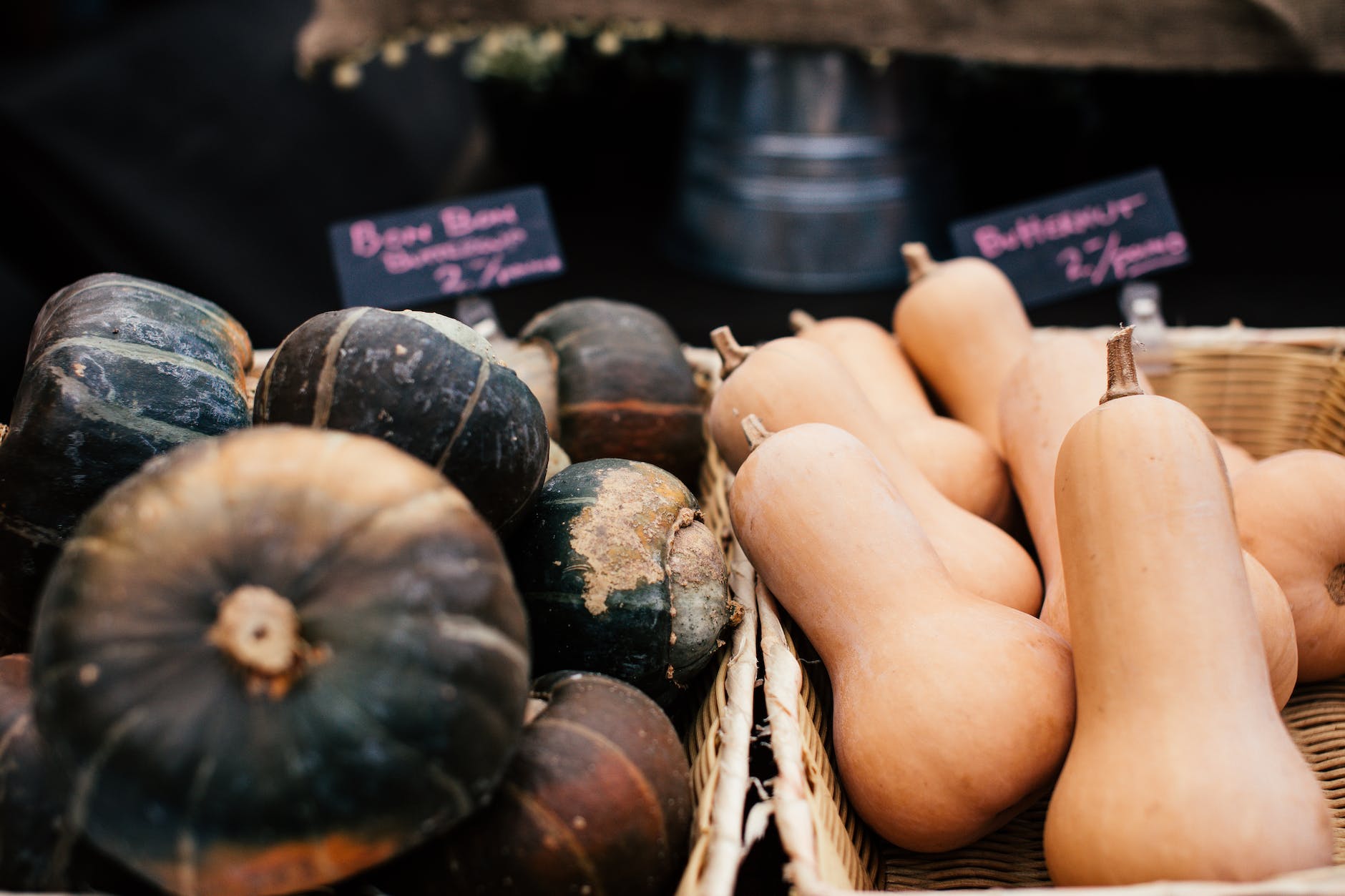
Winter Squash – The frost will kill the vines tomorrow night and then it will be easier to see what’s in there. You’ll either get a potimarron, butternut, or buttercup squash. Store winter squash in a cool, dry place and try to use within a week or two. Do not store in the fridge. This will cause it to spoil much more quickly.
Notes from the Field
After discovering that frost was coming to the farm tonight, our family quickly mobilized yesterday to complete an epic harvest of all the ripe or ripening tomatoes and all the peppers, eggplants, tomatillos, and beans. Between shouts of “Thank you, tomatoes!” and “Thank you, eggplants!” we had fun racing to see who could harvest the most the fastest and marveling over just how many crates we were filling up. Erik was the most patient of us all, carefully cutting off vines laden with cherry tomatoes so that they could continue to ripen up in the barn without splitting.
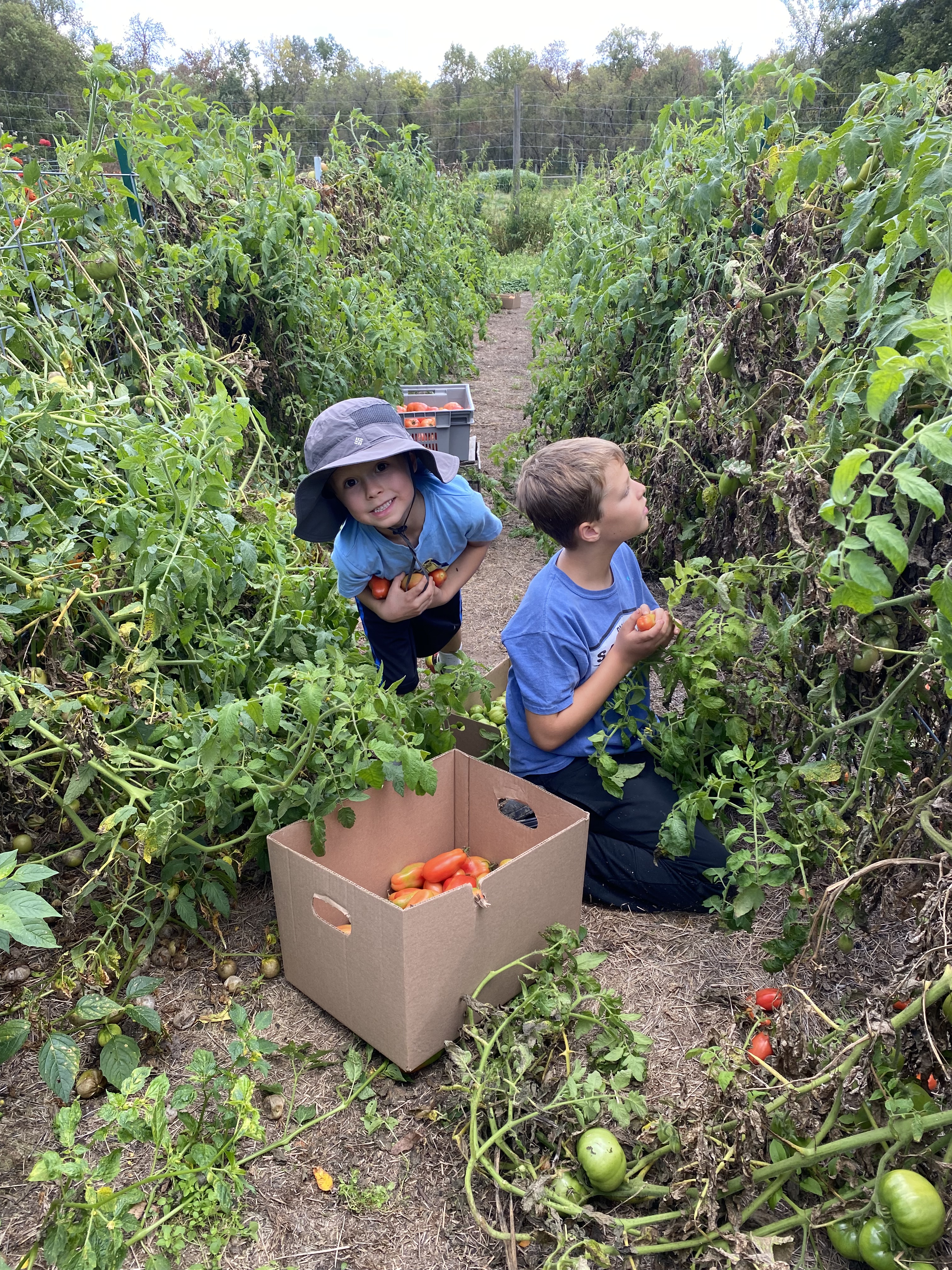
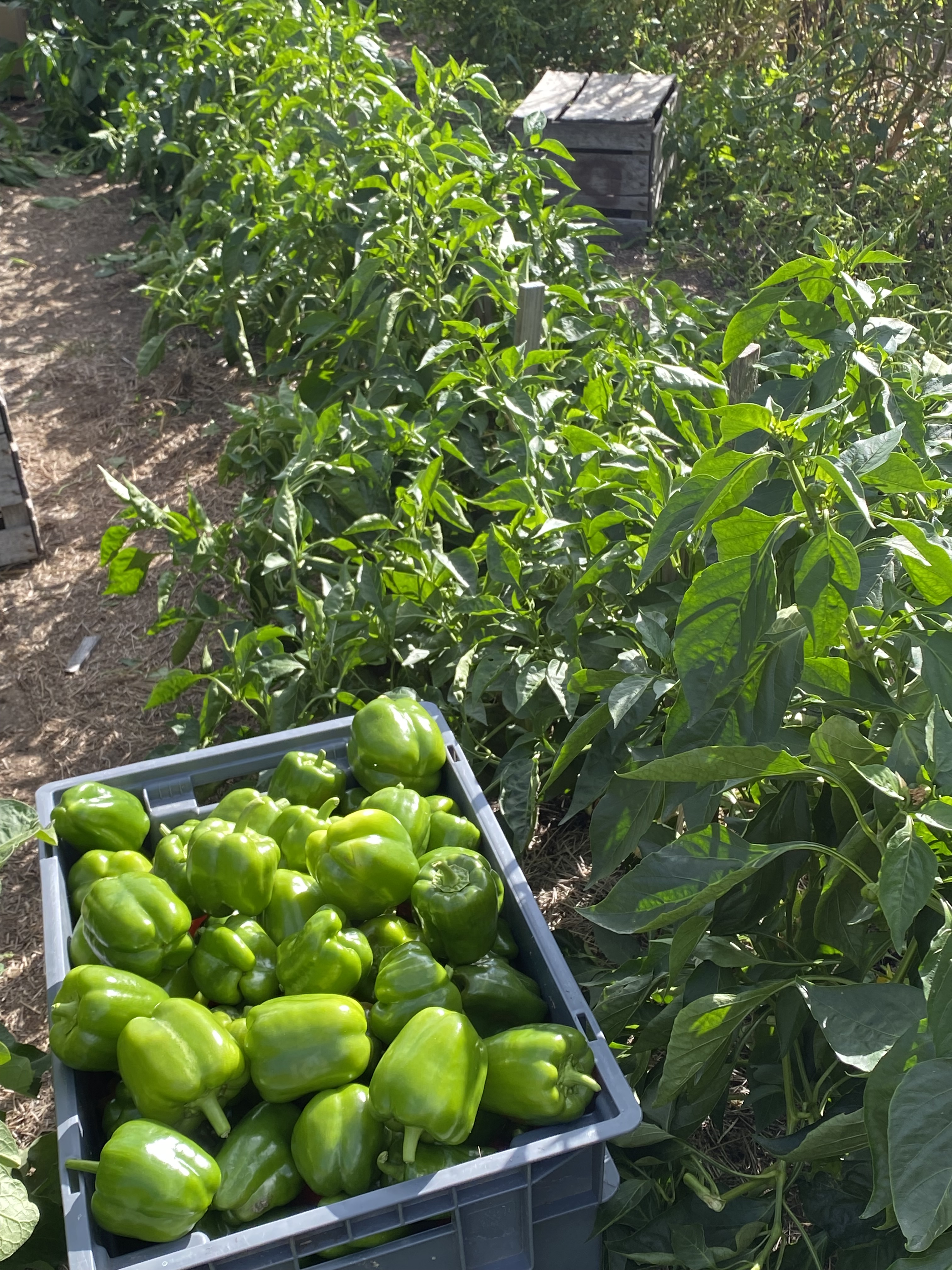
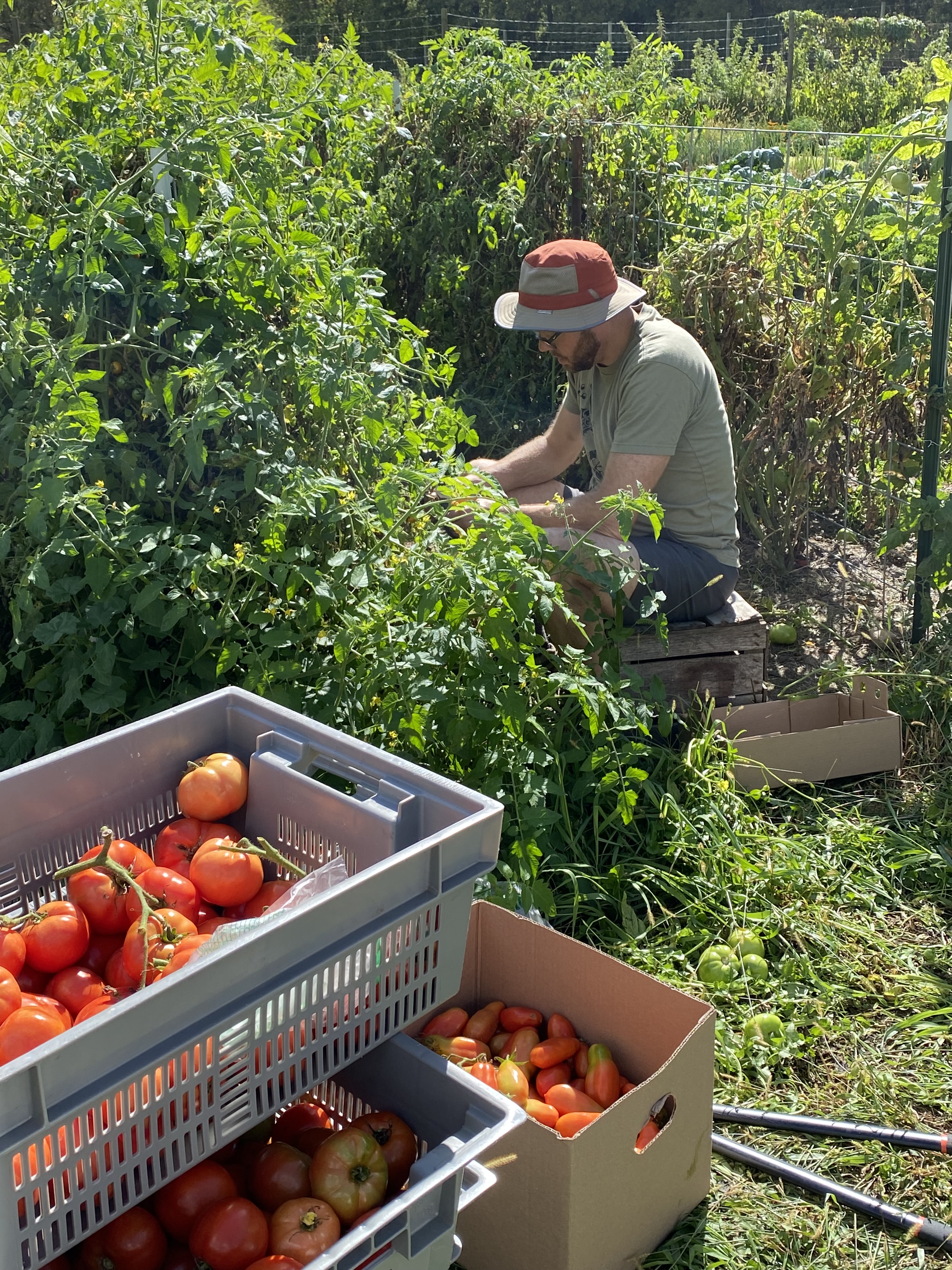
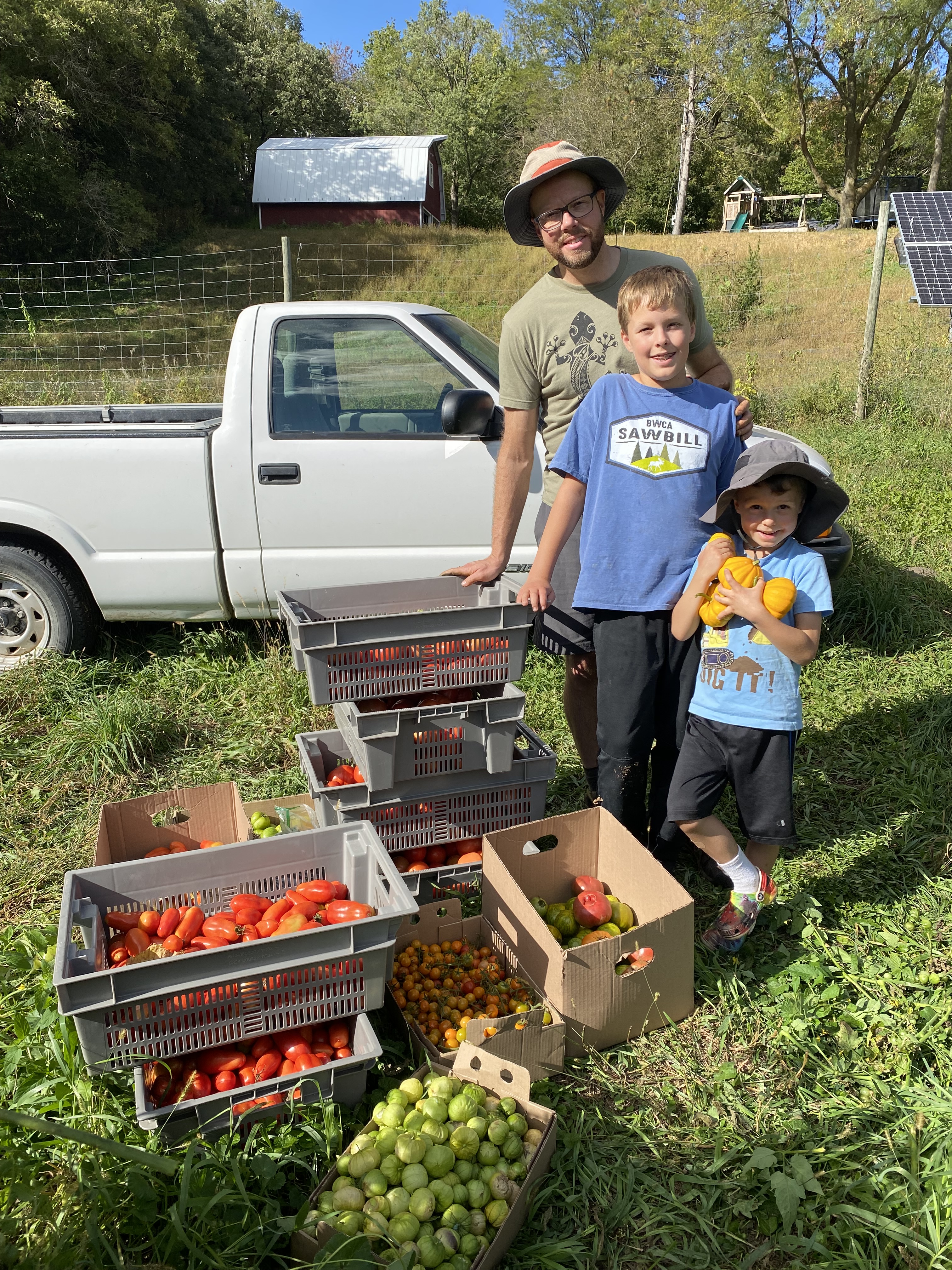
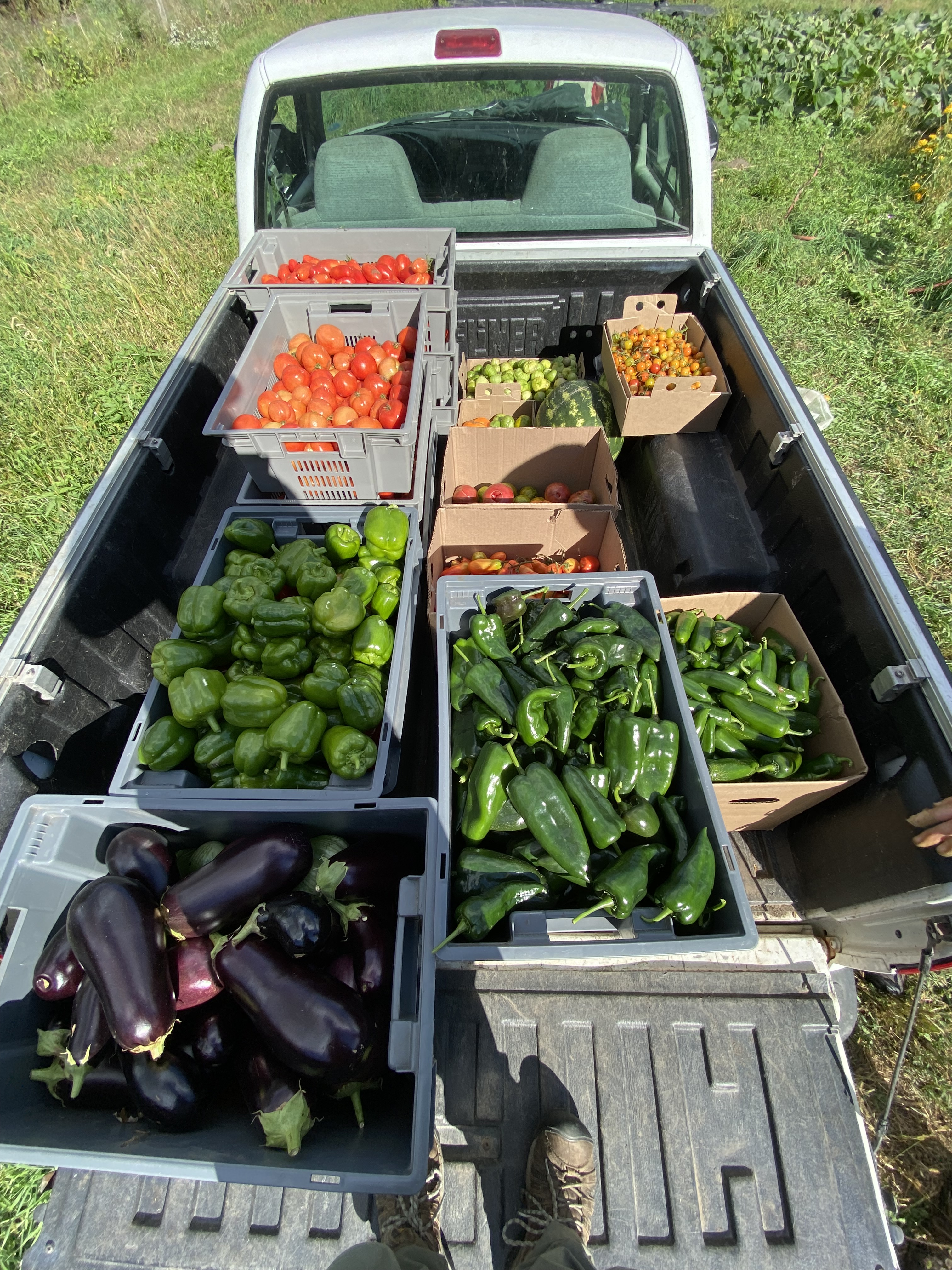
Once we had hauled the many, many pounds of slicing tomatoes out of the field, Erik and I debated about whether or not to include them in your boxes this week. I suggested that you might be tired of tomatoes since you’ve received them every week since the beginning of August, but he thought I should include them again. I mulled it over and counted how many months it will be until we have fresh, field-ripened tomatoes again (ten! Oi!) and decided that he was right. Also, despite the disease pressure in the tomatoes this summer, the slicers and cherries actually did really well and we have a bit of a bumper crop of them. Part of being a member of a CSA is that you share in the risk of farming (no strawberries this year because of flooding), but you also get to share in the bounty when there is one. Thus, you might get more of something than I initially planned for and valued as part of your membership, sort of like a bonus. In this case, it’s a bonus of tomatoes. I hope you will enjoy this last taste of summer!
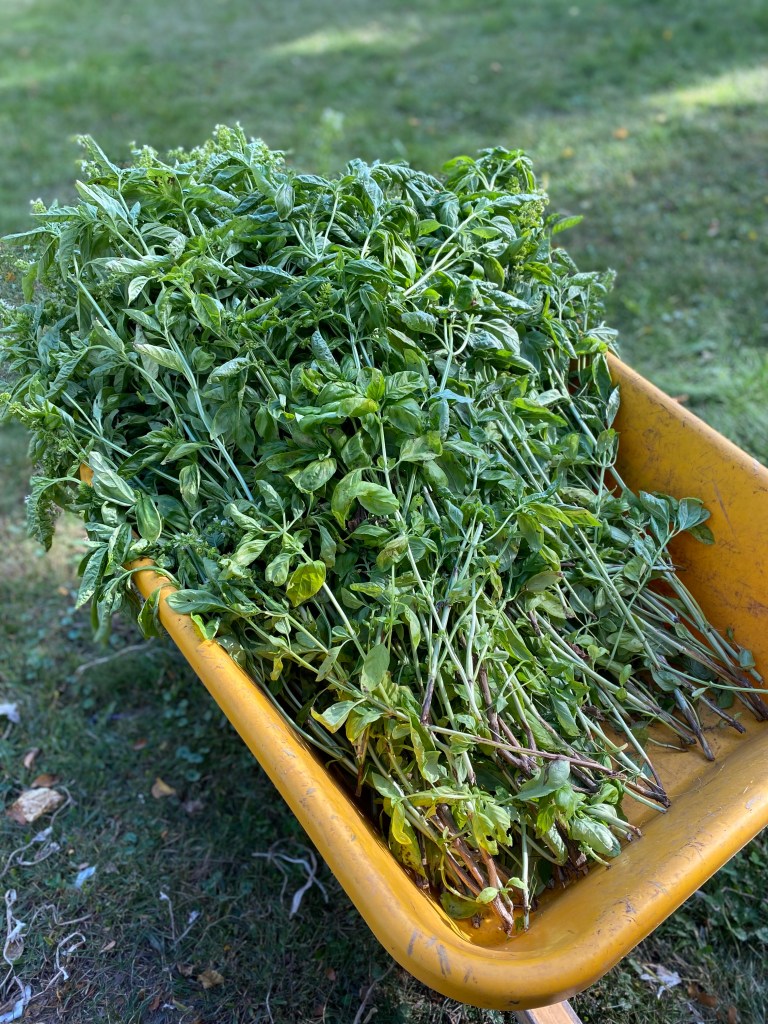
Besides all of the above, we also harvested a wheelbarrow’s worth of basil! We brought it up to the house, and the kids and I sat around on the side porch, listening to music, and pulling leaves off the stems while Erik got the grill going. Later that evening, I took all of the leaves, chopped them up in the food processor with some water, and froze the mixture in ice cube trays. Today I’ll put the frozen basil cubes in a freezer bag. These will be used all winter long in soups and pasta sauces.
The only other task that needed to be accomplished last week was processing the white onions that had been curing in the barn over the last few weeks. Erik’s parents, Lynn and David, stopped by for an overnight visit this past Thursday and were kind enough to help me clean and ready them for storage in the cooler. We had a nice time catching up and enjoying the picture-perfect fall weather. Thanks, Lynn and David!

Recipes
Carrot, Squash, and Rutabaga Soup // Uses Carrots, Onions, Parsley, Rutabagas, Winter Squash // Vegetarian
Fruity Rutabaga // Uses Rutabagas // Vegetarian
Quinoa Vegetable Soup // Uses Carrots, Garlic, White onions, Winter Squash, sub fresh Tomatoes for canned, sub Spinach for kale // Vegetarian
Roasted Butternut Squash Risotto // Uses Butternut Squash (sub any other winter squash), Garlic // Vegetarian
Roasted Roots with Turmeric Tahini Sauce // Uses Carrots, Rutabagas (also Parsnips which should be in your boxes next week if you want to bookmark this recipe for then) // Vegetarian
Rutabaga Fries // Uses Rutabagas // Vegetarian
 Middle Fork Farm