
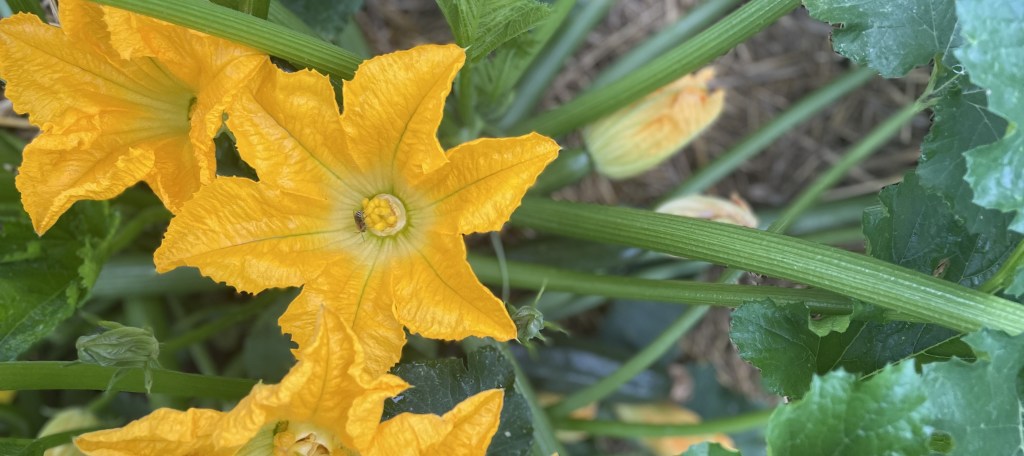
Happy Independence Day! I knew July was coming, but honestly I didn’t expect it to arrive quite so soon. Living on the land means that nowadays I primarily mark the passage of time in summer according to what is blooming, which insects are showing up, and when things need to be harvested. For instance, now is the time to remove invasive wild parsnip from the prairie before it sets seed and multiplies. I saw my first Japanese beetle on some cabbage the other day, right on schedule, and the fireflies have been busy trying to find each other in the evening sky near our barn. The elderberry bushes are full of flowers and there are all sorts of bees everywhere. My favorites are the teeny tiny ones. They are out there foraging alongside the bigger honeybees and holding their own. I’ve always had a soft spot for the underdog. I saw this one pollinating a zucchini blossom early this morning. You go, little bees!
What’s in My Box this Week?
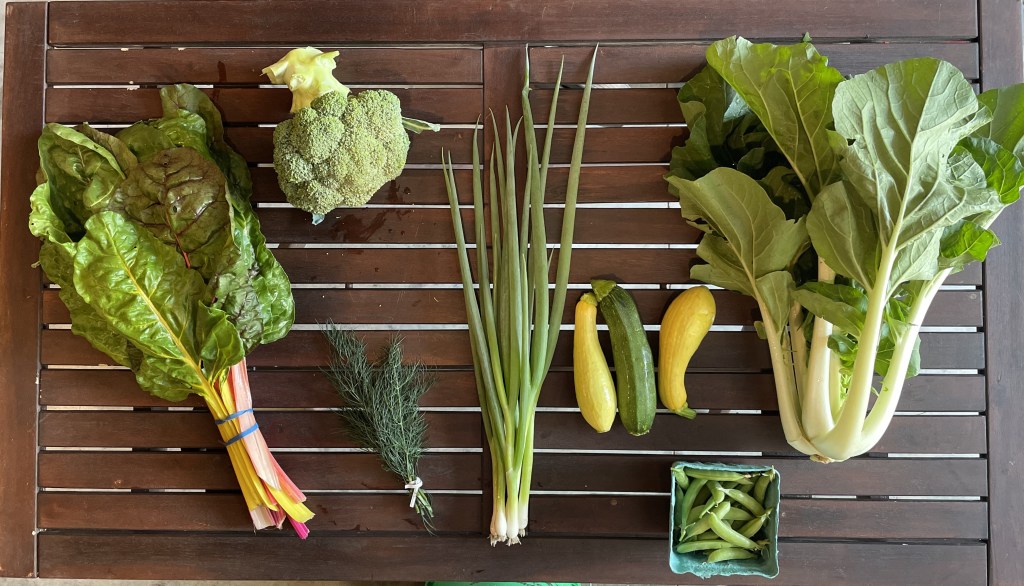
Bok Choy – Store unwashed in the crisper drawer of your fridge. Use within a couple days for best texture. Greens will wilt relatively quickly. Stems will retain firmness a while longer.
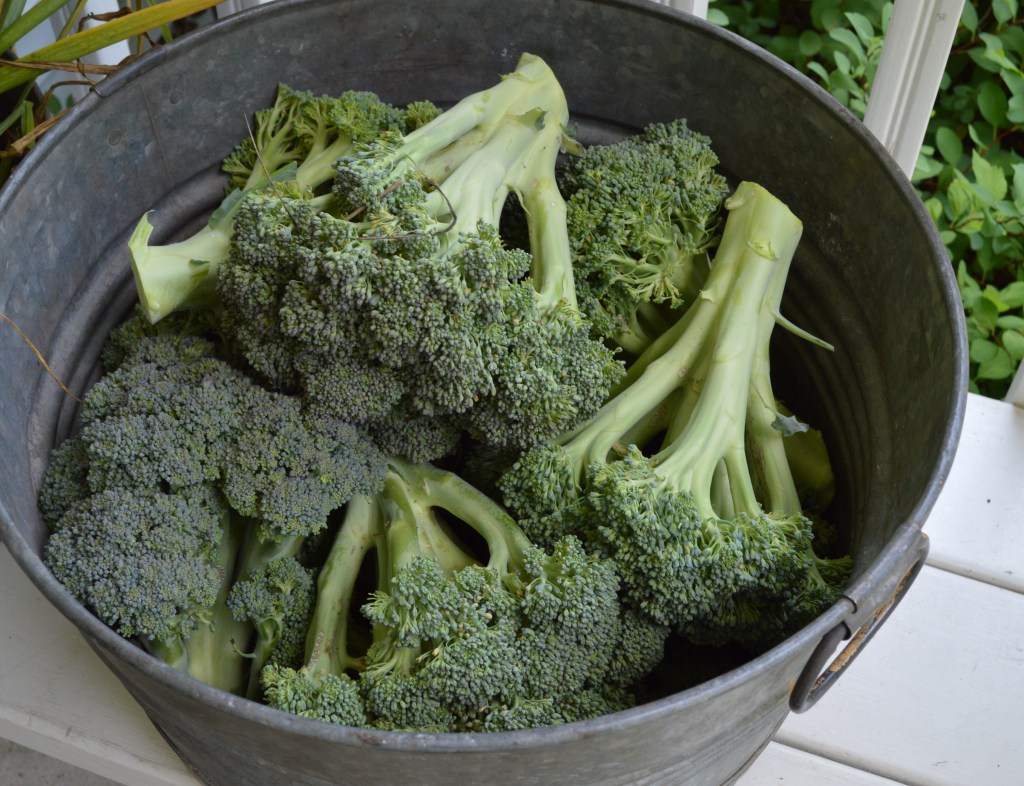
Broccoli – Wrap broccoli loosely in a plastic bag and keep it in the crisper drawer of your refrigerator. The colder, the better. Store for a week.
Dill – For short-term storage, stand upright in a container with an inch of water. If you won’t use it within a couple of days, place the dill in a plastic bag and place in the fridge for up to two weeks.
Radishes (Large Shares Only) – Store for up to two weeks in a plastic bag in the fridge. Store greens separately, ideally gently wrapped in a damp paper towel. Use the greens as quickly as possible.
Rainbow Chard – Rainbow chard is beautiful plant with some leaves having red stems, some yellow, some white, and some pink. It’s a tender green that you can add it to just about anything – eggs, pizza, pasta, salads. I’m going to try and quick pickle some this week to use in an egg dish with scallions and cilantro.
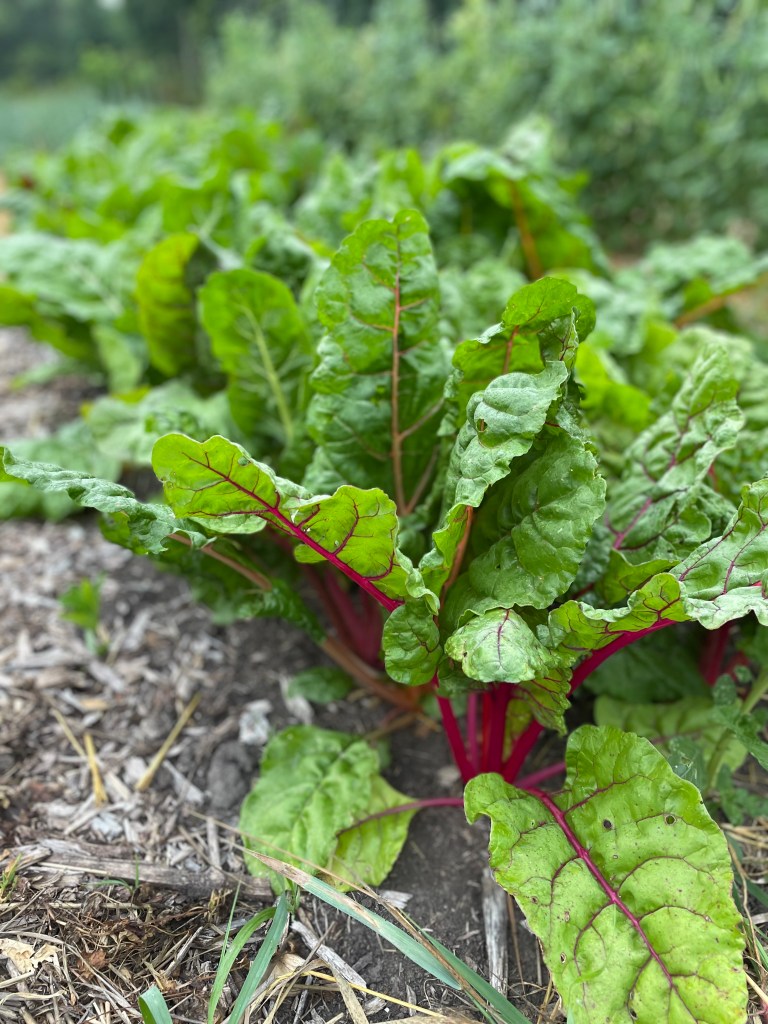
The stems should be removed before you cut up the leaves, but you can eat the stems, too. If you are going to sauté the entire plant, just remember that the stems take a little longer to cook than the leaves and plan accordingly.
Wash the chard only right before using. To store, place in a plastic bag with most of the air removed and put in the fridge. It is best used within a few days. You can also freeze chard and use in dishes later.
Scallions – Store in the veggie drawer of your refrigerator and try to use within a week. If you use them after a week, you can peel off any dry and/or “slimy” outer layers of the onion.
Sugar Snap Peas – Peas are very perishable, and snap peas are best eaten fresh. Keep them in the fridge and eat within two to three days.
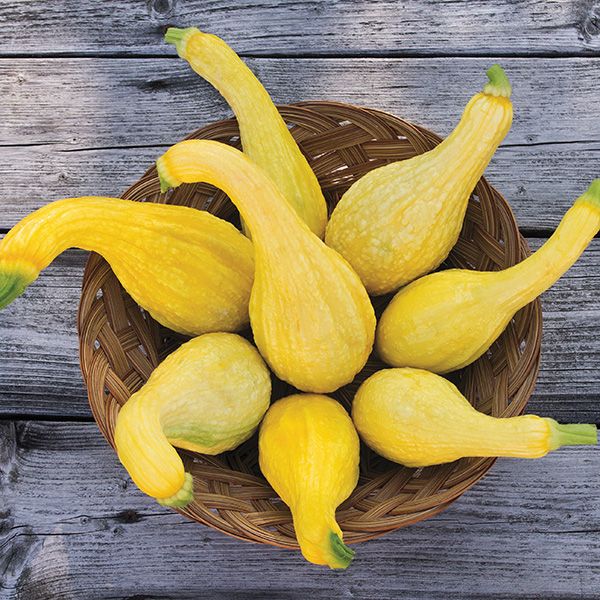
Yellow Crookneck Squash –Store in the crisper drawer of your fridge and try to use within a week as they will quickly get soggy. You can use these interchangeably with zucchini in recipes. (Photo: High Mowing Seeds)
Zucchini – Store in the crisper drawer of your fridge and try to use within a week. You can use these interchangeably with summer squash in recipes.
Featured Veggie: Bok Choy
Bok choy – sometimes called pac choi or pok choi – is a type of Chinese cabbage that tastes a little like a cross between spinach and water chestnuts, but with a somewhat sweeter flavor and mild peppery hints. Interestingly, the tender green leaves have a stronger flavor than the crisp, crunchy stems.
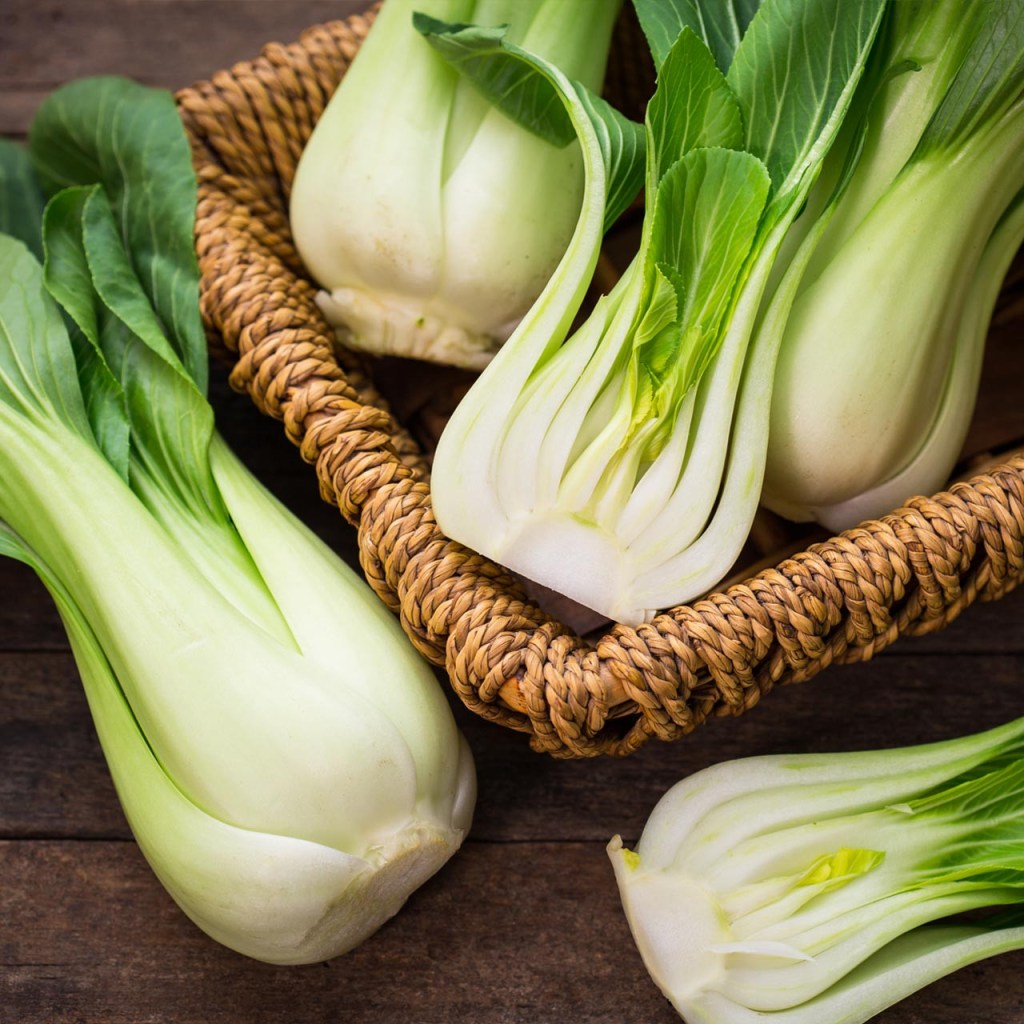
The word “bok choy” means “white vegetable” in Cantonese, the primary language of China, where archaeologists once discovered 6,000-year-old Chinese cabbage seeds in the Yellow River Valley. Even though these seeds weren’t necessarily for bok choy proper, people living in the region likely did breed it from native wild brassicas growing as far back as 3,500 years ago. In the 1300s, it was imported to Korea over trade routes where it was developed into a fermented dish that we all know as kimchi.
(Photo from Annie’s Heirloom Seeds)
Bok choy has been used to treat coughs and colds and to help relieve upset stomachs. It can be eaten raw in salads, sautéed, grilled, or added to stir fried, curries, and soups.
Notes from the Field
This past week was mainly spent weeding, weeding, and more weeding. Now that nearly everything has been seeded for the year, we turned our attention to cleaning up all of the vegetable beds, getting the rest of the straw mulch on, and thinning the crops that had germinated. Simon and I worked together doing much of this, chatting and sharing stories with each other, but sometimes Simon had to power through on his own while I was occupied pruning tomatoes.
He actually weeded about a third of the squash field by himself, truth be told, but he revealed that sometimes he actually likes it as long as he can listen to his favorite Baltimore Ravens podcast.
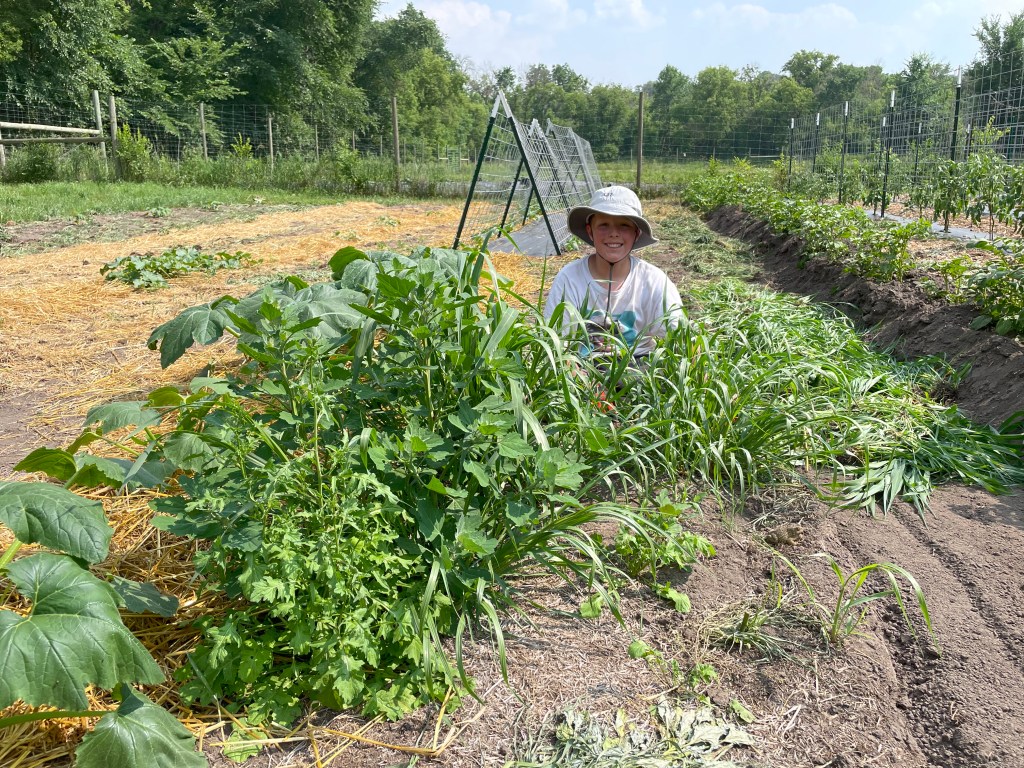
We both find it incredibly satisfying to look at before and after weeding photos. You couldn’t even tell we were growing anything on purpose in there until we finished weeding!
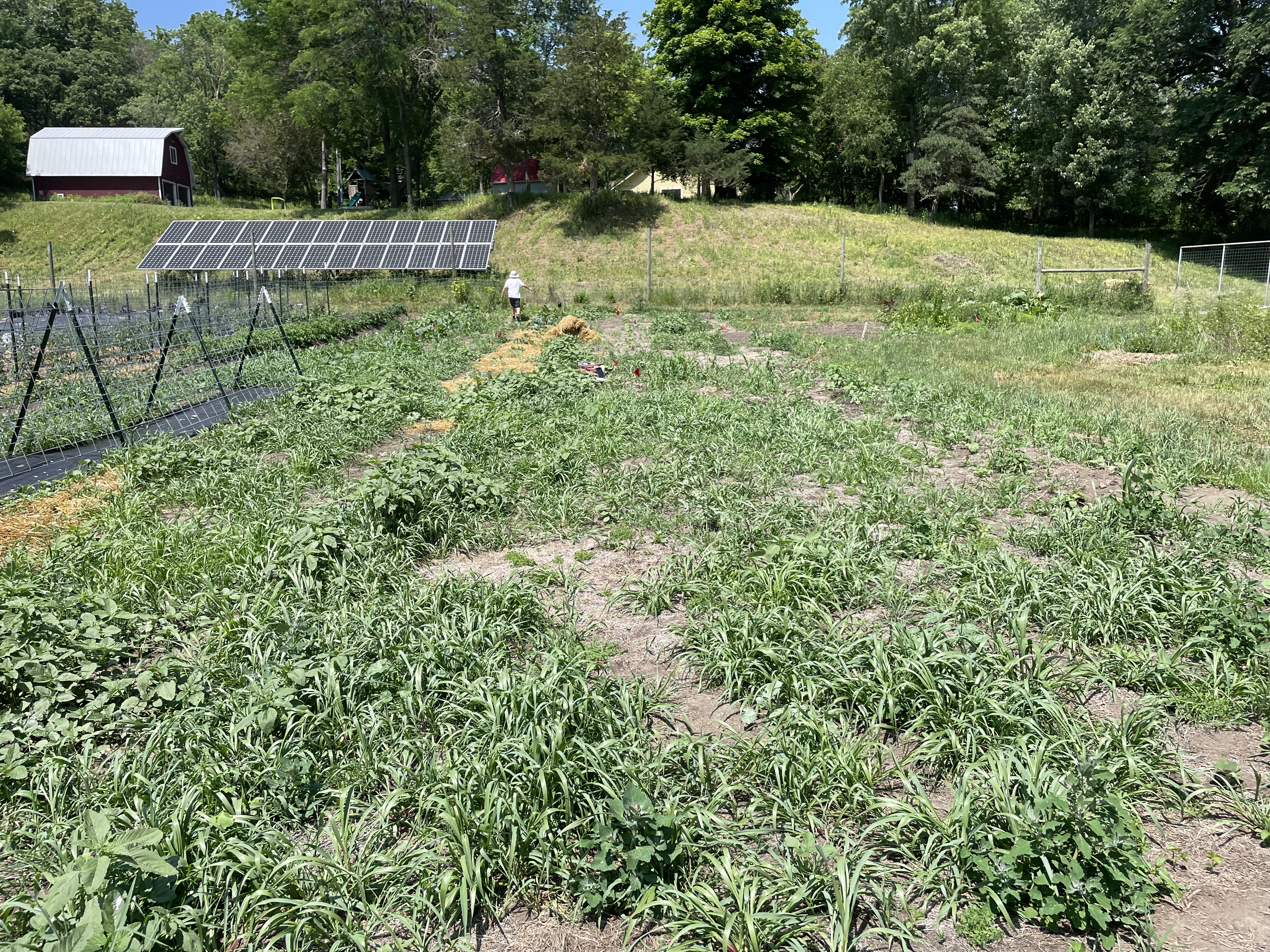
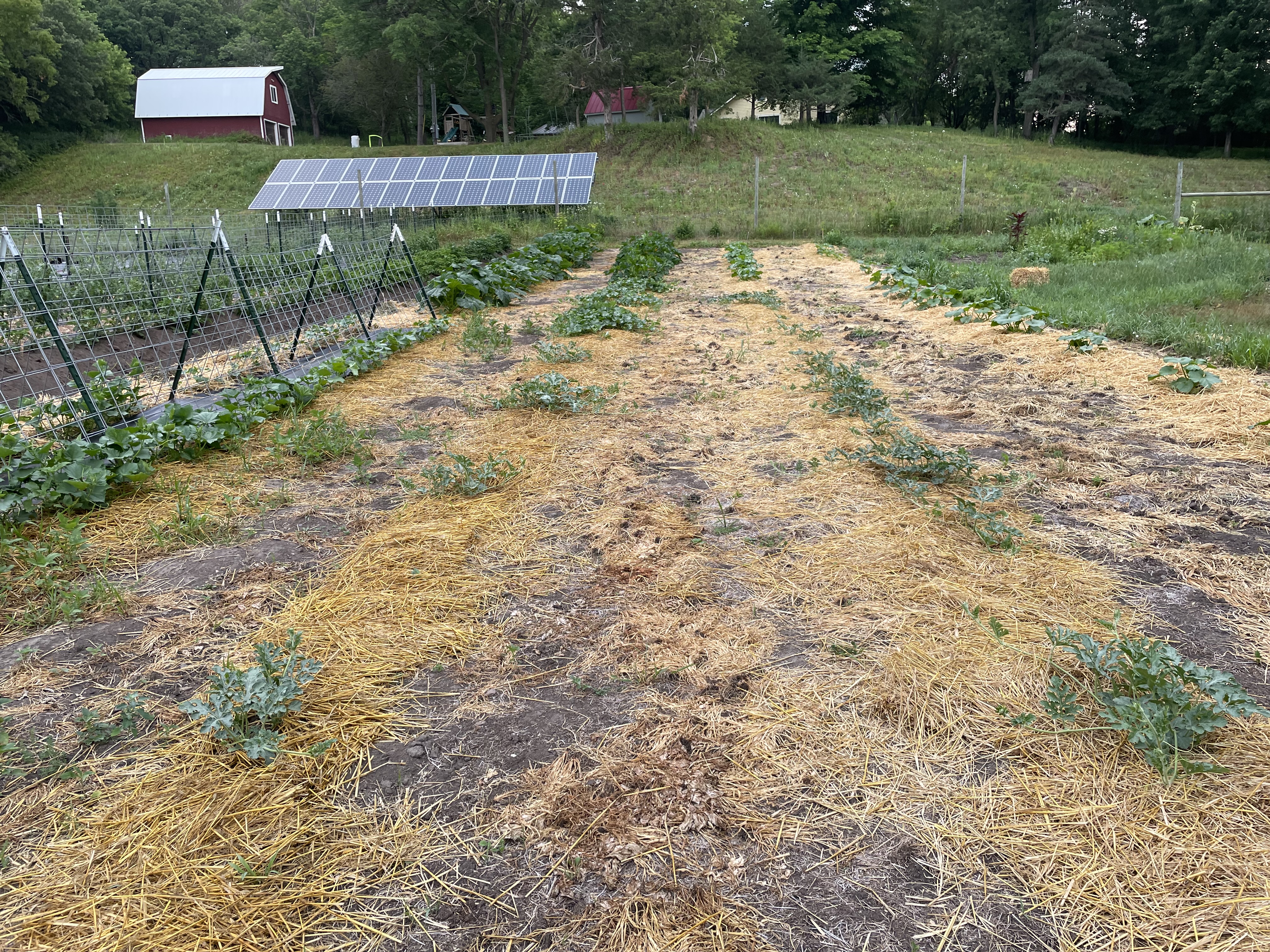
One reason we wanted to get the farm field in tip-top shape was because I was contacted by KAAL Channel 6 ABC news on Tuesday. They had heard about my trip to Washington, D.C. and wanted to come out and ask me about micro-farm insurance. My 30-minute interview turned into a 15-second clip, but I think they did a nice job describing the issue in the time they had. Check it out if you’d like.
Other than that, we tended to the edible hedgerow we planted a couple of years ago. Consisting of around 120 elderberry, cranberry, plum, hazelnut, and dogwood shrubs in the fashion of an old English hedge, our plants were thirsty.
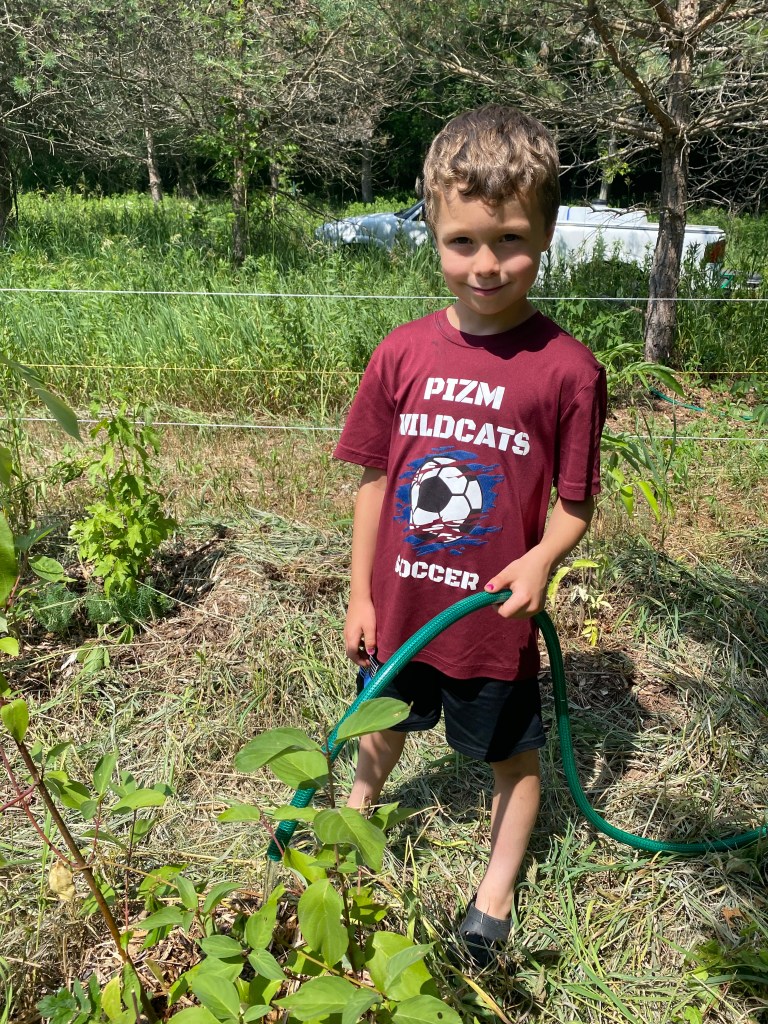

Erik weeded them and we all made good use of my birthday present by repeatedly filling up my new 65-gallon water tank and bringing it to water the shrubs. I have sometimes wondered when I would know that my transition from desk job to farmer was complete and I think that my joy at getting a WATER TANK for my birthday indicates that the transformation might have already occurred!
Recipes
Broccoli Dill Salad // Uses Broccoli, Dill // Vegetarian
Dill Scallion Dip // Uses Dill, Scallions // Vegetarian
Quick Bok Choy Kimchi // Uses Bok Choy
Stewed Greens with Tomatoes and Mint // Uses Chard (substitute or add Bok Choy, too), Garlic Scapes (substitute for Garlic Cloves if you still have some), Mint // Vegetarian
10-Minute Garlic Bok Choy Recipe // Uses Bok Choy (recipe calls for Baby Bok Choy, but you can use regular), Garlic Scapes (substitute for Garlic Cloves if you still have some) // Vegetarian
 Middle Fork Farm