
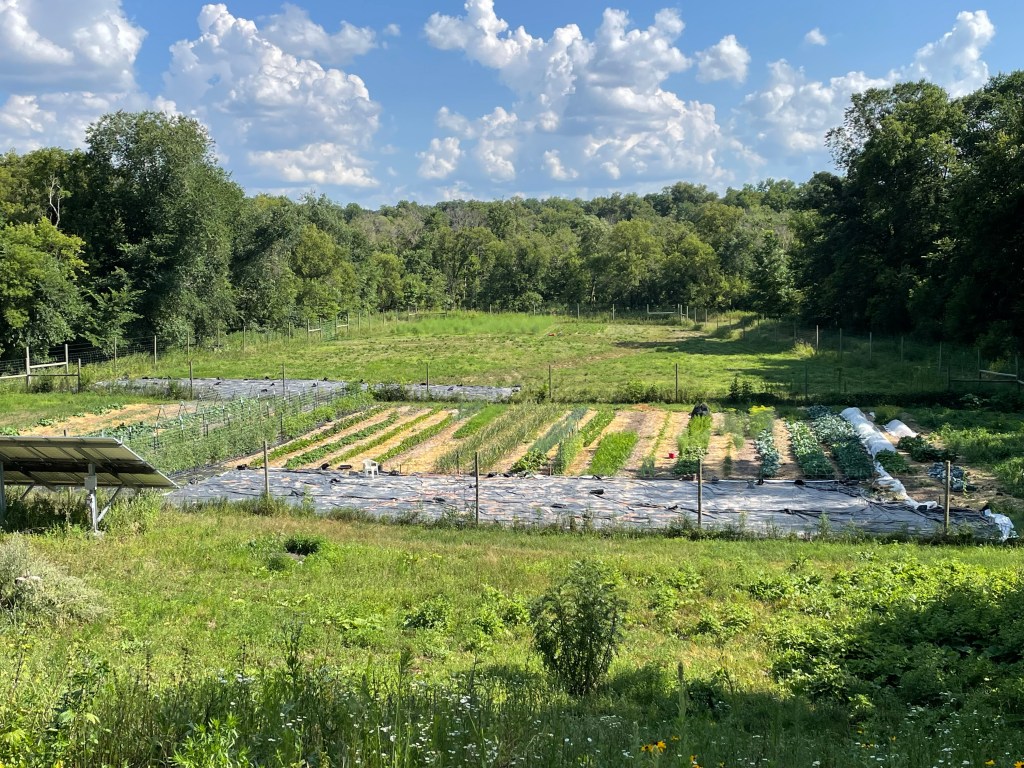
We’ve been spending more of our time lately out of the production field, working on other parts of our land, restoring pollinator habitat and knocking back invasive plant species that often outcompete the native plants that we’re trying to save. While at first glance this other work doesn’t appear to have much to do with farming, in my mind it’s instrumental to the type of agriculture we’re doing. Some call it “ecological farming.” To me, this means that we have to think about how all the parts of our land fit together and impact what we’re doing, not just what’s happening where the crops are growing. The question we ask is: how can we integrate biodiversity, soil regeneration, natural enemies of pests, and so on to ensure that we can produce healthy food and protect nature at the same time?
What’s in My Box this Week?
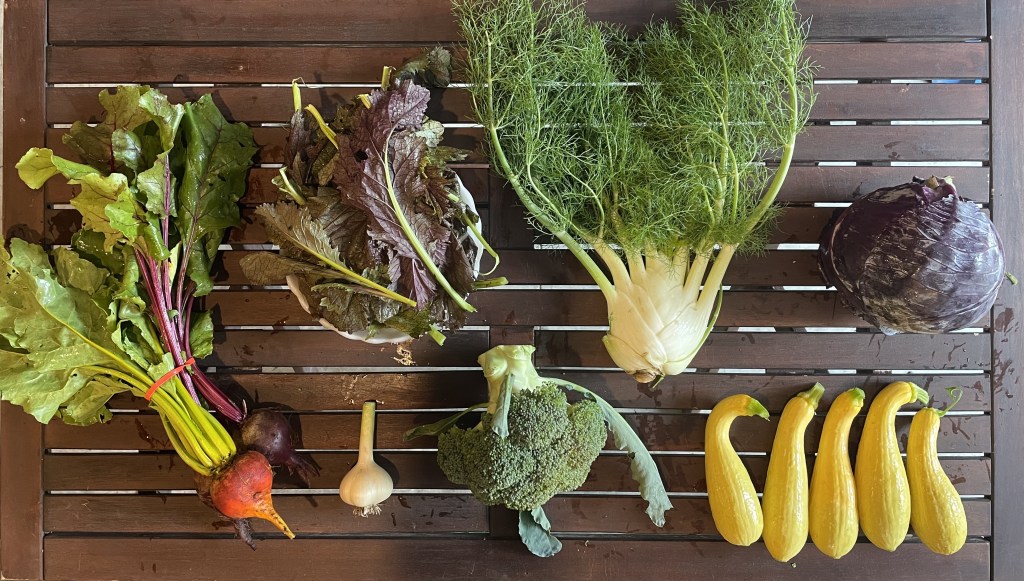
Beets – You can use both the roots and the leaves of beets. If your beets still have greens attached, cut them off, leaving an inch of stem. Store the beet roots unwashed in a plastic bag in the crisper bin of your refrigerator. They will keep for two to three months. For the greens, keep them dry and unwashed until ready to use in a sealed plastic bag in the fridge for up to a week. (Photo: Johnny’s Selected Seeds)
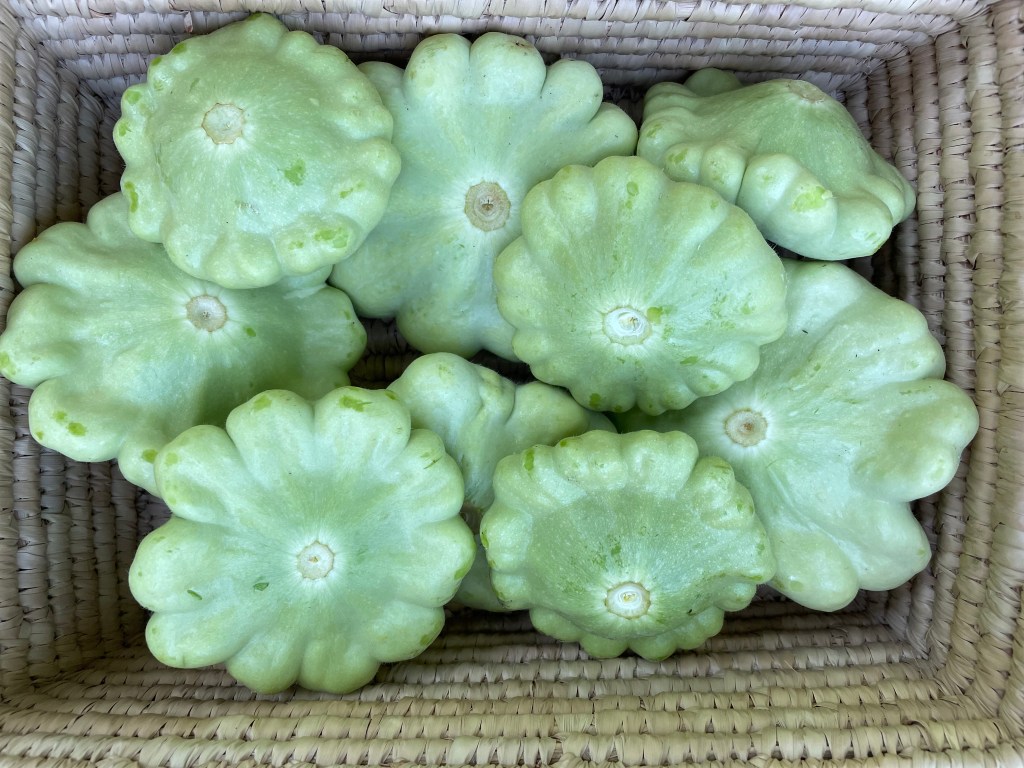
Benning’s Green Tint Patty Pan Squash – Store in the crisper drawer of your fridge and try to use within a week as they will quickly get soggy. You can use these interchangeably with yellow crookneck squash and zucchini in recipes.
Broccoli – Wrap broccoli loosely in a plastic bag and keep it in the crisper drawer of your refrigerator. The colder, the better. Store for a week.
Fennel – The bulb is mild and can be used as an onion, but it also has a subtle anise flavor and anise is used in lots of common Italian foods like Italian sausage and pizza.
If you plan to use the fronds (delicate leaves), remove these before storage. Place the bulbs in a plastic bag in the fridge for up to two weeks. Wrap the leaves in a moist paper towel and store in the fridge for up to a week. Here is a tutorial from Lauren at Raleigh’s Hilltop Farm about how to cut it up.
Garlic – Keep in a dark, dry, well-ventilated place at a cool room temperature. The garlic you’re getting this week will be fresh and will be a little on the spicier side because of it.
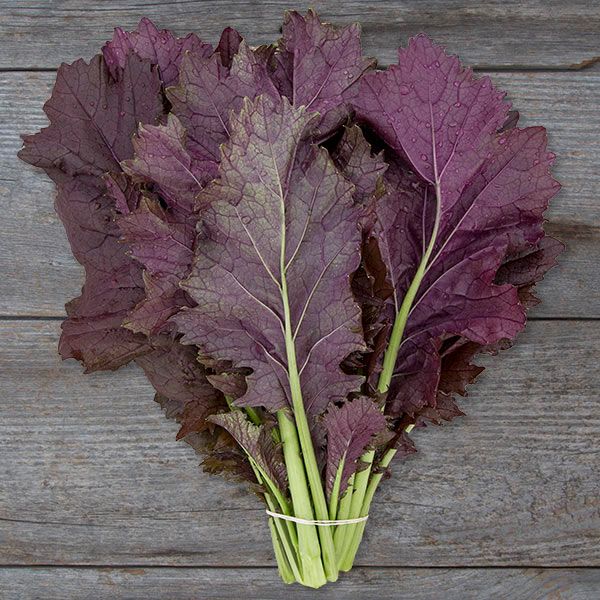
Mustard Greens – Wrap unwashed greens in paper towels and store loosely in plastic bags. Keep moist and cool in the high-humidity bin of your crisper. Store for up to five days. (Photo: High Mowing Seeds)
Red Cabbage – Cabbage can store for three weeks to two months and it doesn’t require much special care to have it last this long. Just keep it in the crisper of your fridge and remove the two outer leaves when you’re ready to enjoy it. (These leaves are used to help store the cabbage.)
Yellow Crookneck Squash –Store in the crisper drawer of your fridge and try to use within a week as they will quickly get soggy. You can use these interchangeably with patty pan squash and zucchini in recipes.
Zucchini – Store in the crisper drawer of your fridge and try to use within a week as they will quickly get soggy. You can use these interchangeably with patty pan and yellow crookneck squash in recipes.
Featured Veggie: Fennel
Fennel is a perennial herb that is typically treated as an annual on the farm, meaning that we harvest the entire plant to eat rather than leaving it in the ground and letting it grow back year after year. The ancient Egyptians prized fennel as both a food and a medicine and it was used to treat snake bites long ago in China. Greeks and Romans used it to repel insects and to brew a tea that was thought to give courage to warriors before battle. Prometheus, the Greek god of fire, was said to have used a giant stalk of fennel to carry fire from Mount Olympus to Earth. For you runners out there, the Greek name for fennel is actually “marathon;” the famous battle of Marathon evidently took place in a plain of fennel.
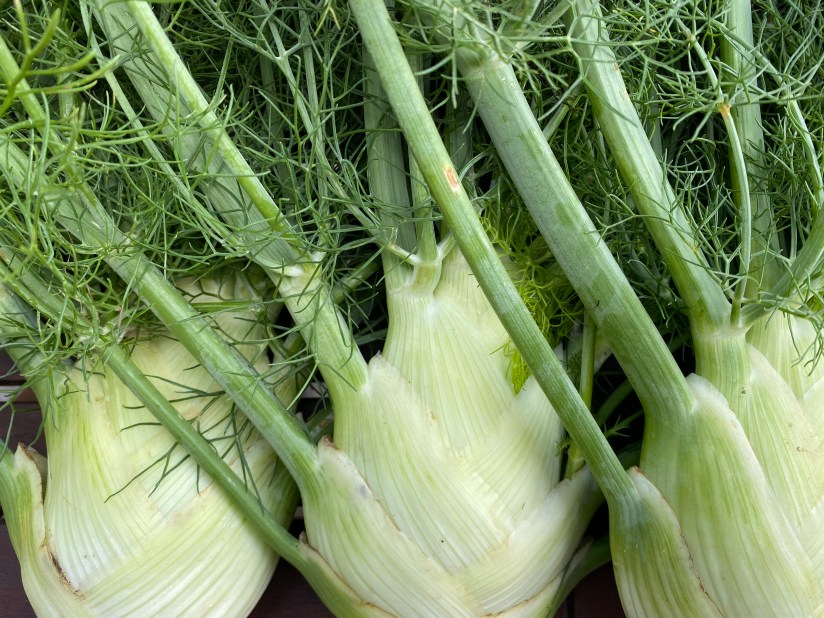
Fennel is one of the three primary herbs used to make absinthe, but we find it best to eat in Italian dishes like pizza and pasta or in slaws, salads, and soups. Once you get to know it, fennel is a versatile vegetable; it tastes a lot like a mild onion with a slight anise flavor and so it goes well with many different things.
All parts of the plant but the roots are edible, including the flowers and the seeds which are often found in pizza sauces, breads, and sausages. Here is a tutorial for how to cut it up.
Field Notes
At the beginning of this week’s newsletter, I talked a little about ecological farming. One of our most important efforts along these lines concerns protecting native bees.
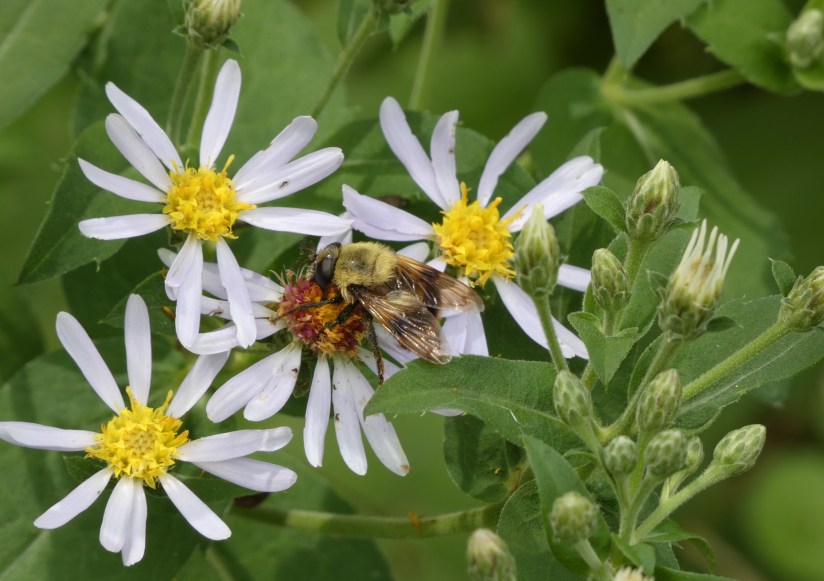
Did you know that there are some vegetables that do best when they are visited by bees that use vibration to effectively remove pollen from the flowers? Honeybees don’t have that ability, but about half of our native bees do. Tomatoes, eggplants, blueberries, and cranberries are among the crops that require buzz pollination. Of course, those don’t flower all summer long, so we work in the prairie and on the borders of the production field to make sure there are flowers blooming from the beginning of spring through the fall. This way, our bee helpers will have enough to eat all season, ensuring that they are around and ready to pollinate the veggies when we need them.
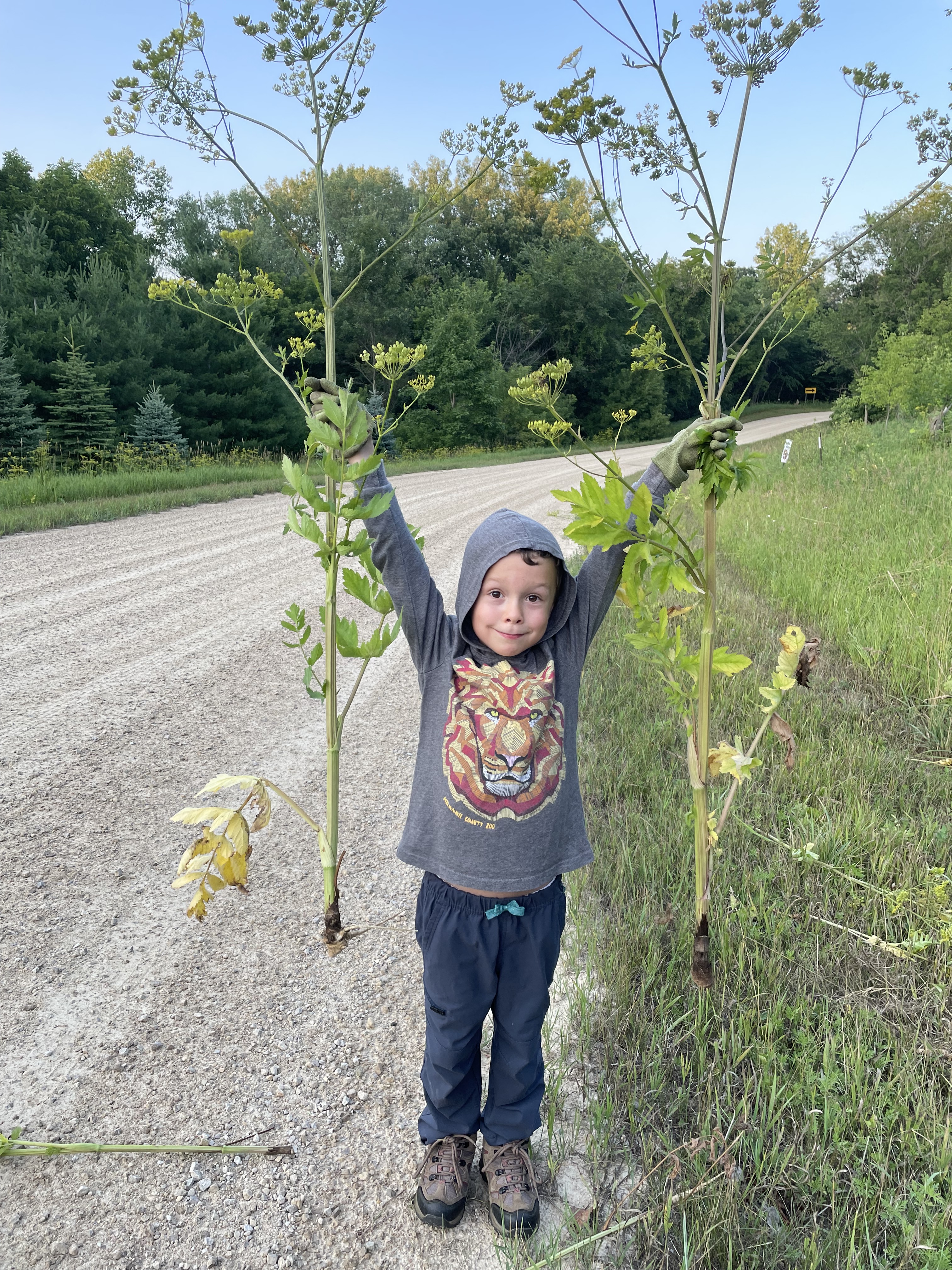
Another way that we keep our bees’ favorite foods available is by removing aggressive plants that tend to displace those that are native to our region. Thus, the last two weeks we have been working a lot to remove wild parsnip. For those of you who haven’t yet encountered this weed, wild parsnip is simply domesticated parsnip (of the sort you might find in a CSA box) gone rogue. Yes, you can eat it and foragers often do, but a single plant can produce around 975 seeds and one plant quickly becomes hundreds, crowding out many other plants along the way and reducing diversity in an area.
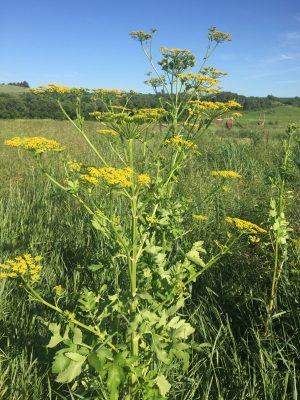
I actually find the flowers of wild parsnip to be quite nice. In fact, when we first moved here and I knew nothing about it, I often cut them and put them in a vase on the counter. I am lucky I didn’t get hurt because if the sap gets on your skin and your skin is exposed to the sun, it can result in painful burns that last a good while. Ask Erik about his experience with it sometime!
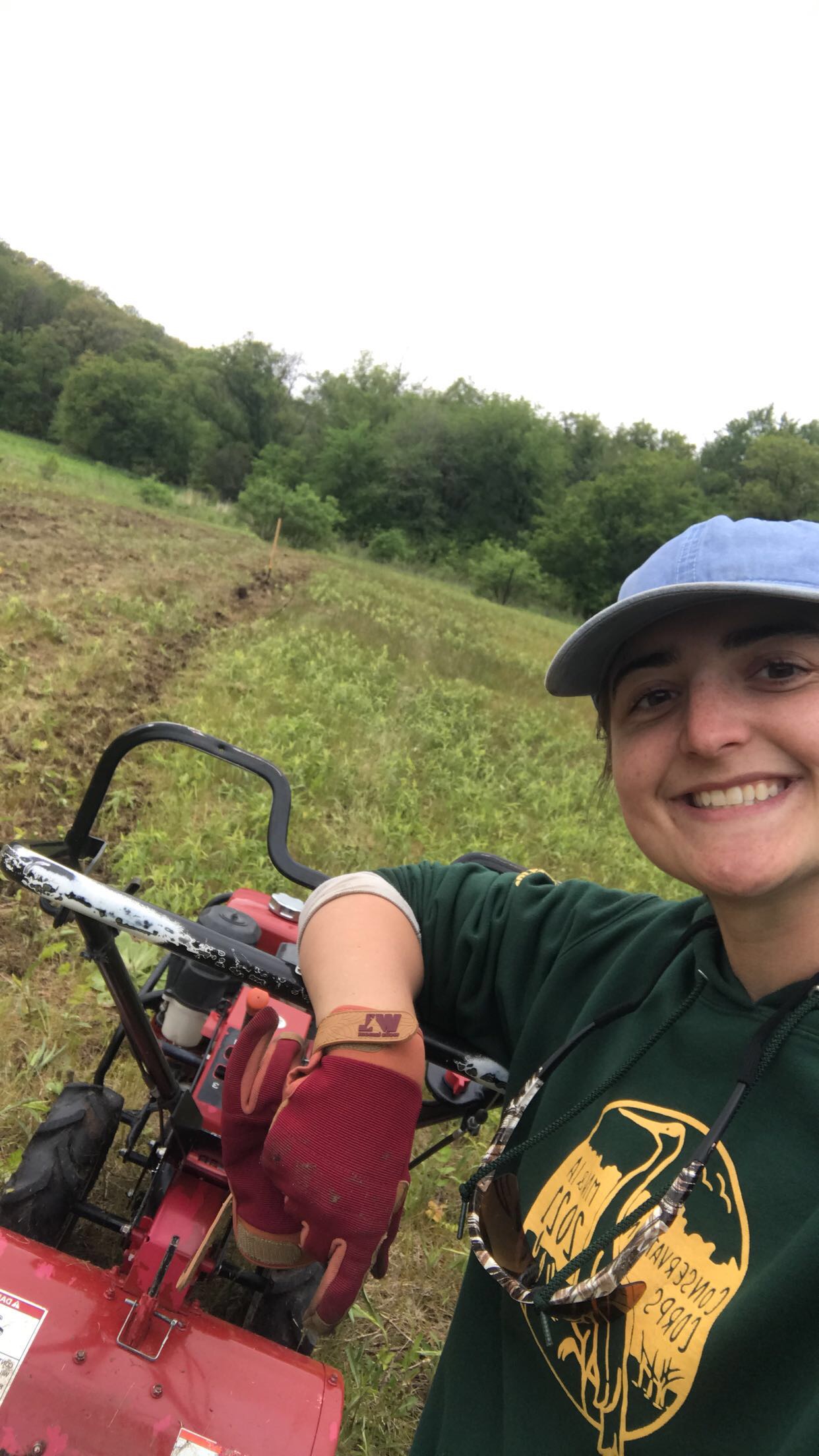
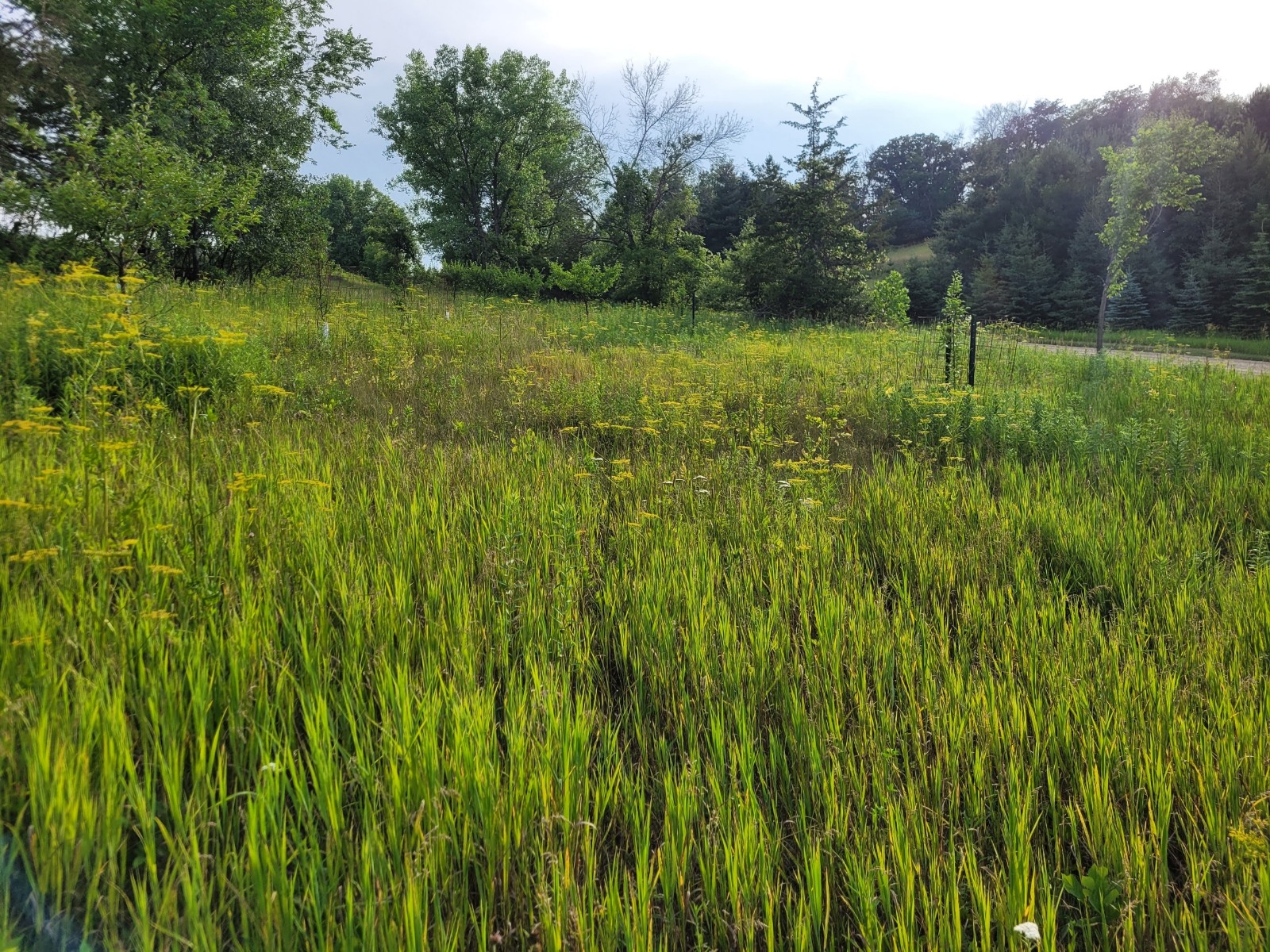
At any rate, every year at the beginning of July, we hire some folks from the Minnesota Conservation Corps to come help us pull parsnip during their off-hours. This year we were lucky to have Tarryn and Carter working on it, and Luka was eager to join in (properly covered, of course). That’s our orchard below with about half of the parsnip removed. I am happy to report that Operation-Wild-Parsnip-Removal-2023 was concluded Sunday evening. It took us half as long to do it this year as it did last year, and we discovered a whole bunch of native wild roses growing where there used to be nothing but parsnip. Our efforts are paying off!
Other than that, it was pretty much the same old, same old on the farm this past week. We were VERY grateful for the half-inch of rain we received last Monday night, but we still needed to do a lot of watering as we remain about 4 or 5″ below what we would normally have this time of year. We have found a couple of bright spots with the dry weather though. Weeds don’t grow very well (less weeding!) and neither do foliar diseases spread. That being said, I think a proper irrigation system is in our future…
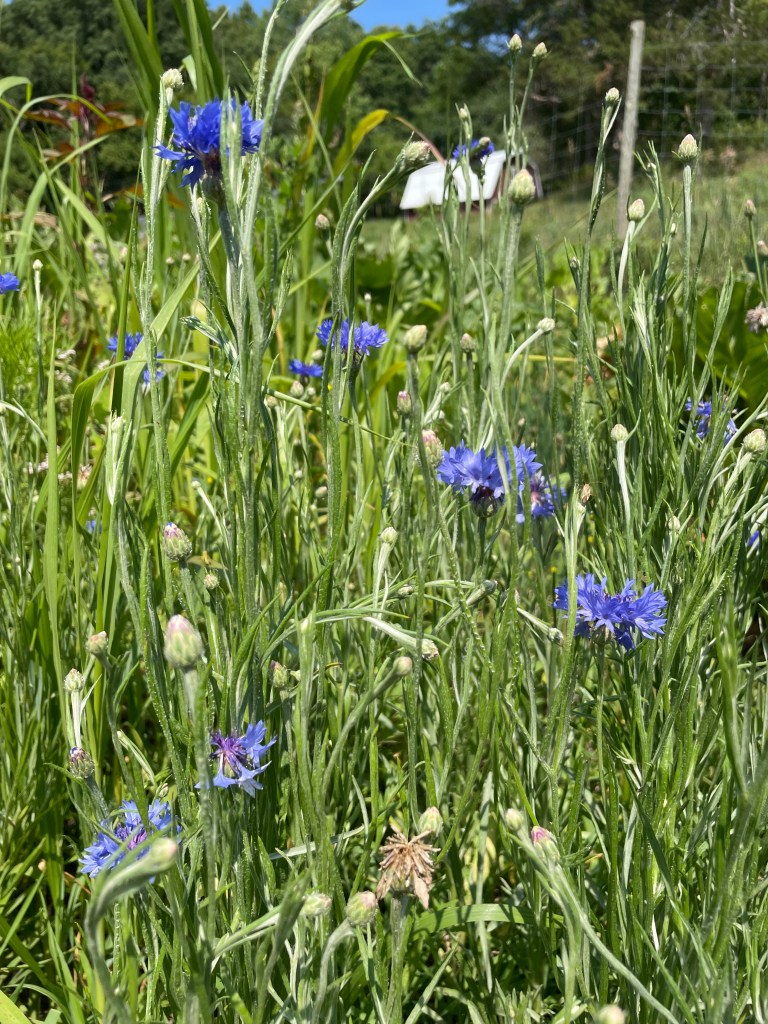
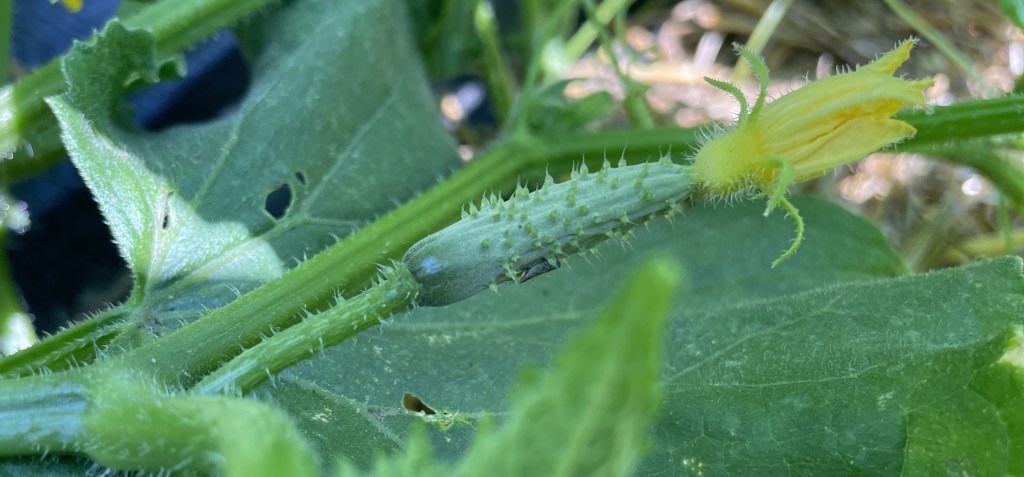
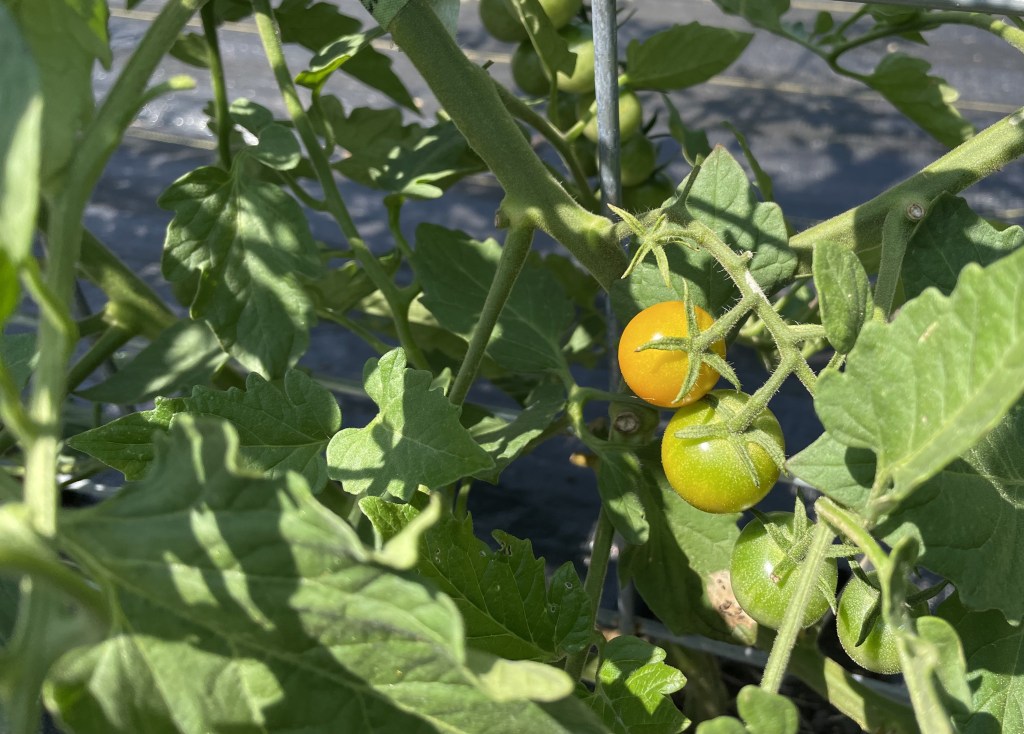
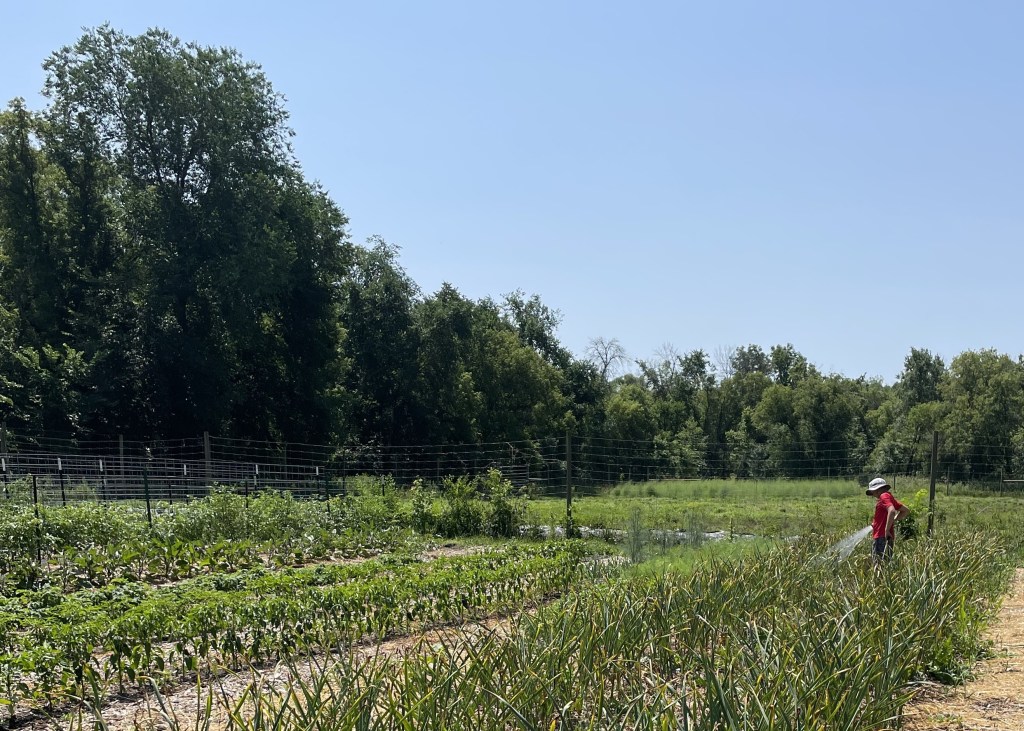
I will leave you with some photos of the farm. That is our first tiny cucumber and a nearly ripe Sungold cherry tomato. The tomatoes are almost here!
Recipes
Braised Red Cabbage and Fennel // Uses Fennel, Red Cabbage // Vegetarian
Creamed Mustardy Mustard Greens // Uses Garlic, Mustard Greens // Vegetarian
Fennel Salad // Uses Cucumbers, Dill, Fennel // Vegetarian
Indian Saag // Uses Garlic, Mustard Greens // Vegetarian
Pan Fried Patty Pan/Scallop Squash // Uses Benning’s Green Tint Summer Squash // Vegetarian
From Heirloom Seed Solutions
Pan frying is one of the simplest ways to prepare this type of squash. Cut the squash in half vertically and scoop out the seeds. Slice the squash (about 1/2 inch thick). Heat a frying pan to medium high. Pour a little olive oil into the pan. Cook the squash for several minutes on each side, until golden brown. Sprinkle with salt and pepper.
Simple Patty Pan/Scallop Squash // Uses Benning’s Green Tint Summer Squash // Vegetarian
From Heirloom Seed Solutions
- 3 medium squash, thinly sliced
- 2 Tbsp butter or olive oil or coconut oil
- 1 tsp seasoned salt
- 1 dash pepper
- 1/4 tsp minced onion
- 4 Tbsp Parmesan cheese
- 1/4 cup milk
1. Preheat oven to 350 degrees.
2. Spray 1 1/2 quart casserole with cooking spray. Cover bottom with squash. Dot squash with butter or oil.
3. Season with salt, pepper, and onion.
4. Cover squash with grated Parmesan cheese. Pour milk on top.
5. Bake covered at 350 degrees for 30 minutes or until squash is tender.
Southern-Style Mustard Greens // Uses Garlic, Mustard Greens
Sauteed Fennel with Garlic // Uses Fennel, Garlic // Vegetarian
 Middle Fork Farm