
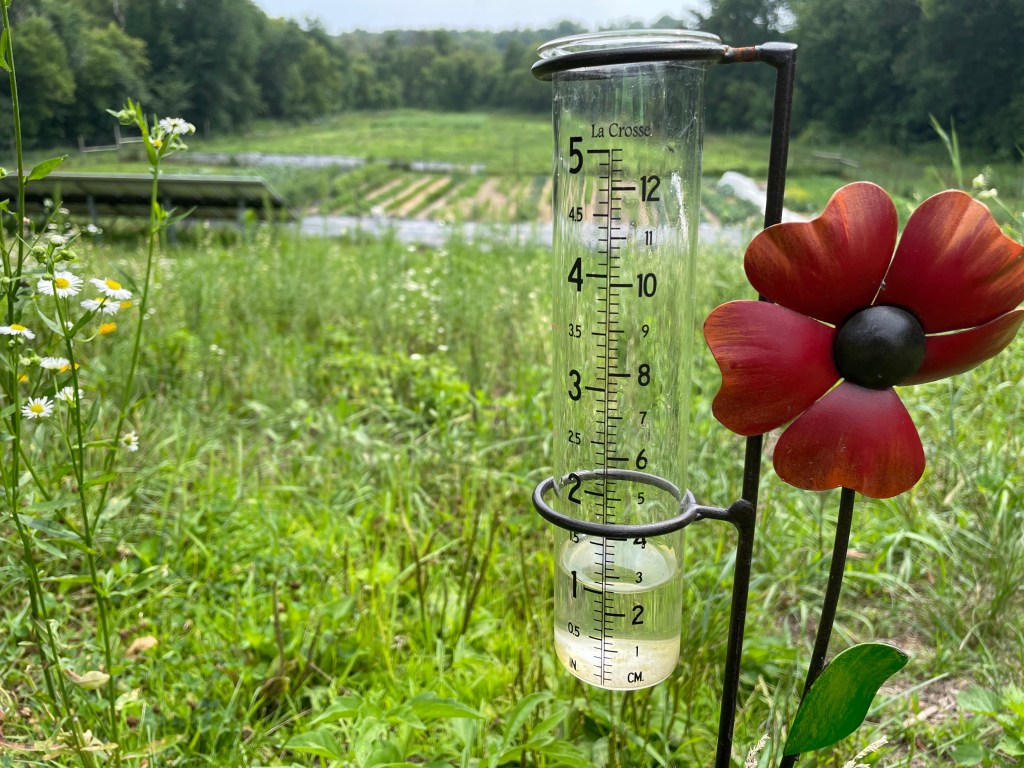
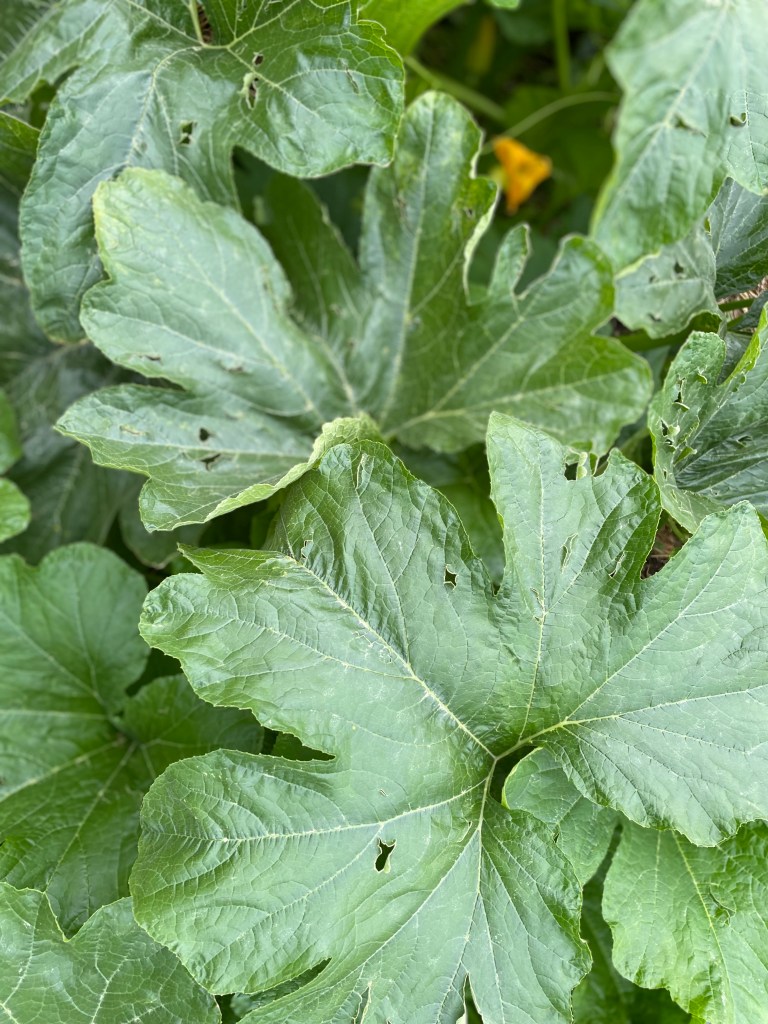
The big news this past week was, of course… it rained!! We had a solid one inch fall over the course of a couple of hours this past Saturday evening and I admit that I may have shed one or two tears of relief and gratitude when it came. I grew up about one hour east of Lake Michigan which meant that we had lots of thunderstorms every summer. I developed a fondness for them and I hadn’t realized just how much I missed the sound of rain until this past weekend. There were a scary five minutes when nickel-sized hail fell – we know some farmers who have lost entire crops to hail in the past here – but luckily this mostly just damaged some of the larger-leaved veggies like winter and summer squash. I think they’ll be all right; the surface area of their leaves is so big that I doubt a few holes in them will have much impact on their growth.
What’s in My Box this Week?
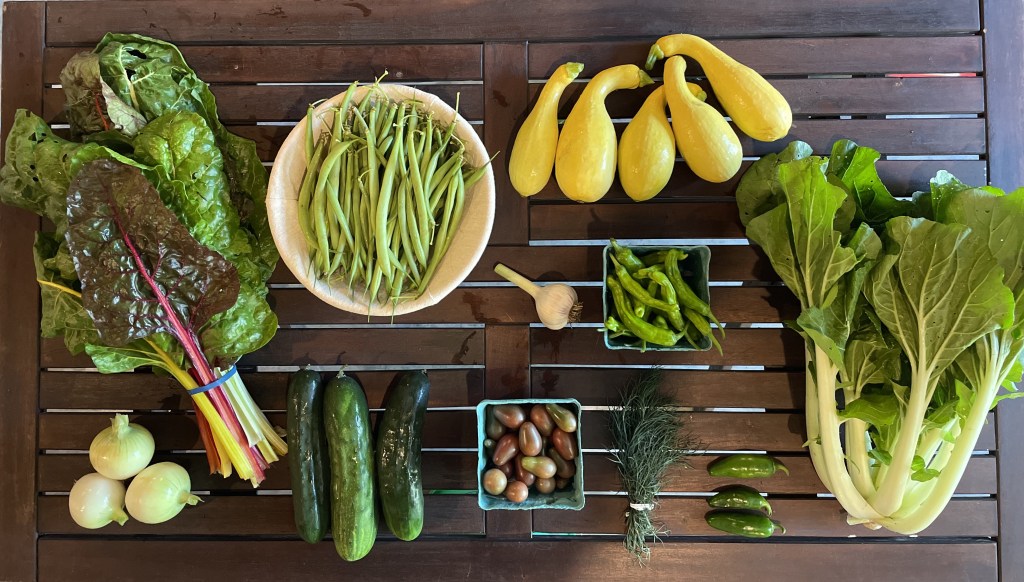
Bok Choy – Store unwashed in the crisper drawer of your fridge. Use within a couple days for best texture. Greens will wilt relatively quickly. Stems will retain firmness a while longer.
Cauliflower (Large Share Only; Standard Shares will get these another week) – Wrap dry, unwashed cauliflower loosely in plastic and store it in the refrigerator for up to a week.
Chard – Wash the chard only right before using. To store, place in a plastic bag with most of the air removed and put in the fridge. It is best used within a few days.
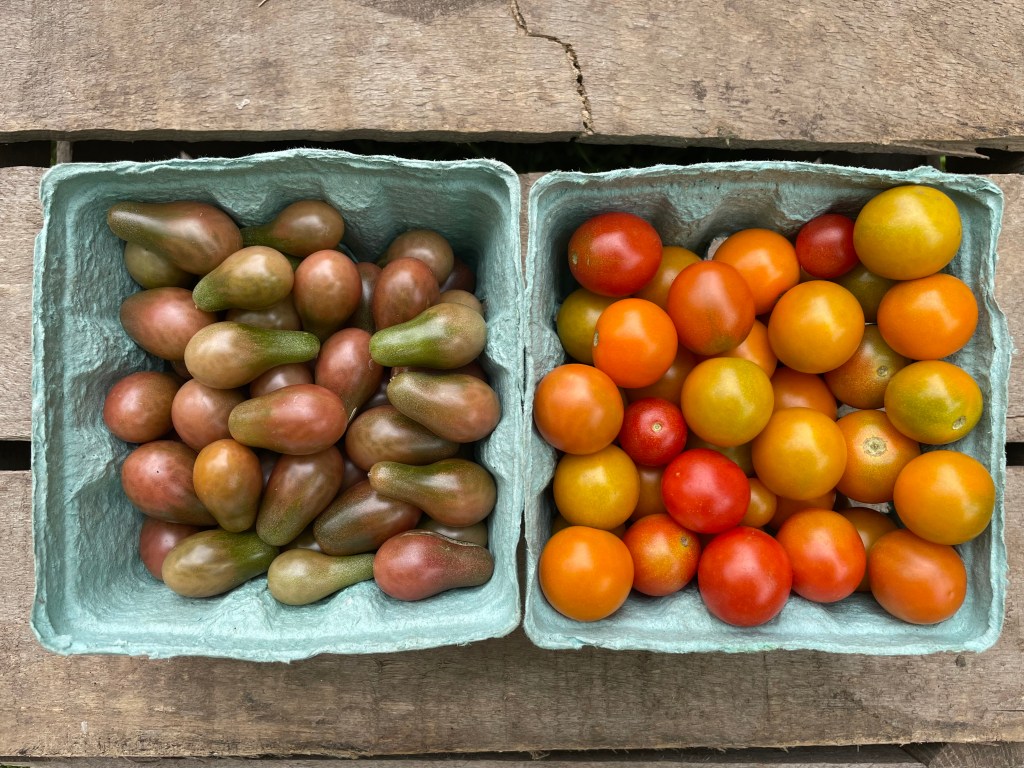
Cherry or Saladette Tomatoes (I am hoping enough ripen for all Standard Shares this week, but if you don’t get them this week, you will next) – Cherry tomatoes can over-ripen quickly, so it can be a good idea to store them in the fridge if you’re not going to eat them right away.
Dill – I know you received some of this not too long ago, but when I realized you’d have cucumbers this week, I thought I’d give you a little more because those two things go so well together. For short-term storage, stand upright in a container with an inch of water. If you won’t use it within a couple of days, place the dill in a plastic bag and place in the fridge for up to two weeks.
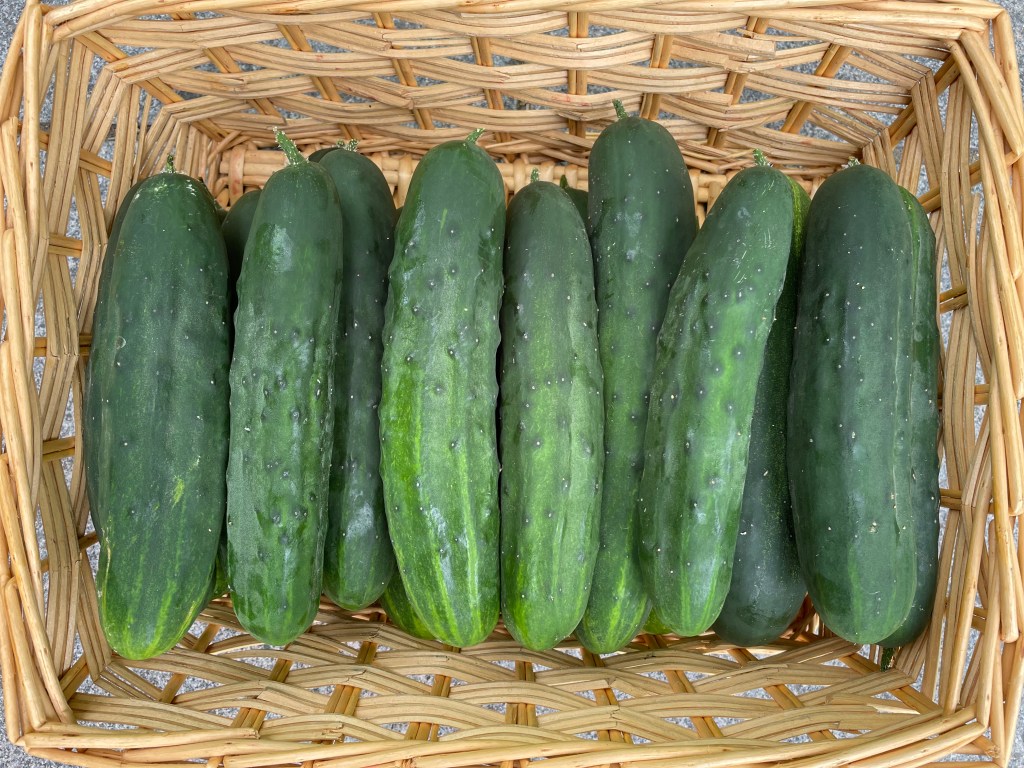
English Cucumbers – Place in a sealed plastic bag in the crisper drawer of the refrigerator for up to a week.
Garlic – Keep in a dark, dry, well-ventilated place at a cool room temperature. Keep in a dark, dry, well-ventilated place at a cool room temperature. The garlic you’re getting this week will be fresh and will be a little on the spicier side because of it.
Green Beans – Refrigerate in a plastic bag and use within a week.
Jalapeno Peppers – Hot peppers keep well in the crisper drawer of the fridge. Refrigerate peppers unwashed in a sealed plastic bag in the crisper drawer for one to two weeks. You can also dehydrate peppers for long-term.
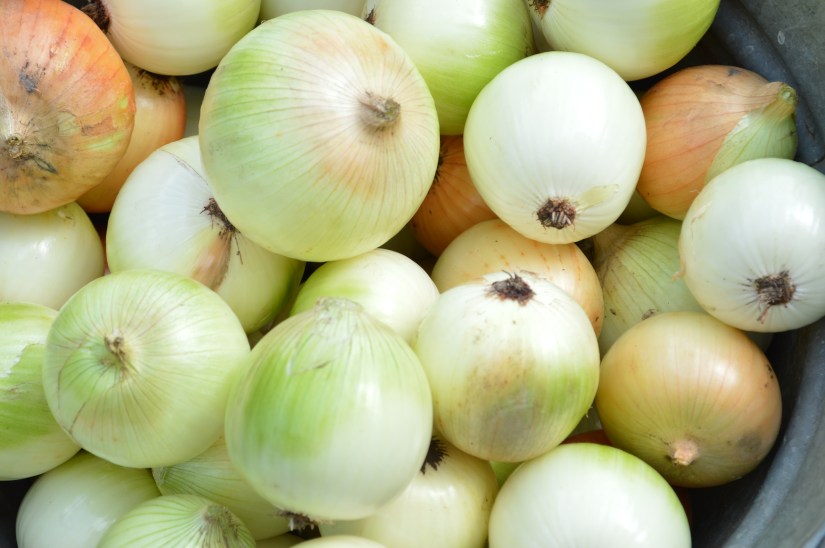
Onions – Keep in a dark, dry, well-ventilated place at a cool room temperature. These onions are freshly harvested and haven’t gone through the curing process that we typically use when preparing onions for longer storage. Therefore, they won’t last as long as those you might buy at a store and I might even consider storing them in the fridge because of that.
Patty Pan Squash/Yellow Crookneck Squash/Zucchini (You’ll get whatever variety you haven’t already received) –Store in the crisper drawer of your fridge and try to use within a week as they will quickly get soggy. You can use these interchangeably in recipes.
Shishito Peppers – To store, refrigerate peppers unwashed in a sealed plastic bag in the crisper drawer for one to two weeks.
Featured Veggie: Shishito Peppers
We are featuring a lot of Japanese veggies in our CSA this year and this week’s highlighted veggie, Shishito Peppers, also hail from the islands of Japan where they are quite popular. The name “shishito” comes from the Japanese “shishi” which means lion and “togarashi” which means chili pepper. It probably got this name because some say that the bulbous end of the pepper looks a little bit like a lion.
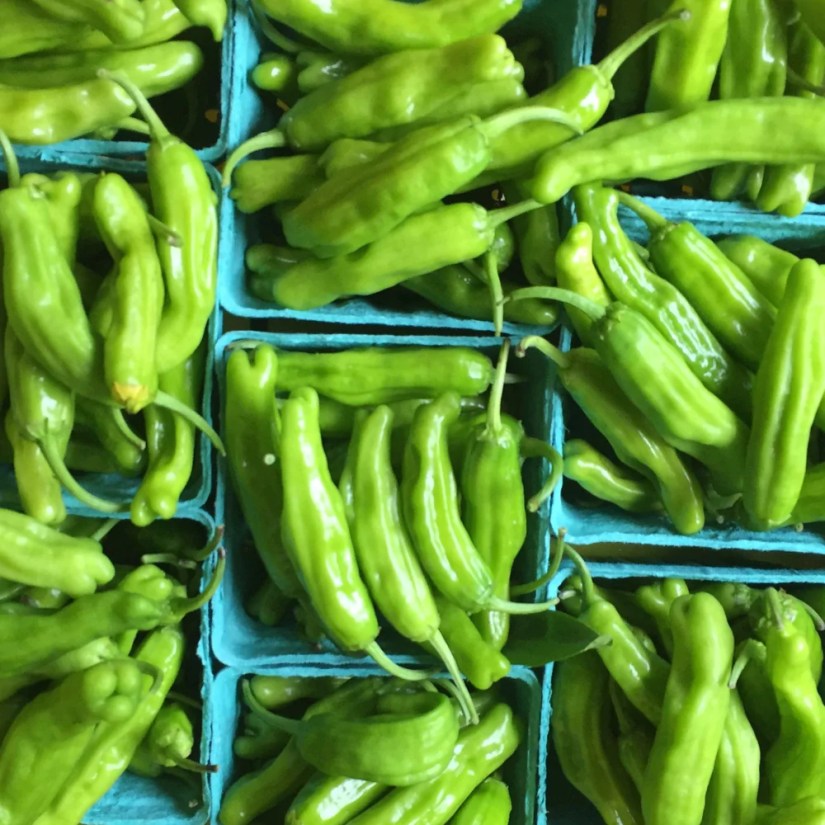
Shishito peppers are small, finger-long, and thin-walled. They taste a little grassy and citrusy with a hint of smoke. A perfect finger food, many people enjoy them in the simplest of ways by just quickly pan frying them and eating them in one bite. It is recommended to poke a hole in the pepper before cooking to keep expanding hot air from bursting the pepper open, but that’s about all the preparation required.
One of the most interesting things about shishitos is their unpredictability which, I think, is fun and refreshing in an era when we’re used to all our fruits and veggies looking and tasting nearly exactly alike. Nine out of ten times, shishito peppers are mild, but every now and again, you’ll get a spicy one and there is no way to know which one it will be before it hits your mouth. The reasons for this have to do with the pepper’s growing conditions (variety of seed used, when in the season they’re picked, weather, and soil fertility) which influences the amount of capsaicin that is produced in the pepper, capsaicin being the spicy part of the pepper. Luckily, even if you do end up with a surprise spicy one, it’s still pretty mild. In Scoville Heat Units, a scale used to measure the spiciness of chilis, shishitos are between 50 to 200 SHU. Jalapenos average 5,000 SHU, so if you’re someone who doesn’t prefer hot peppers, you’ll still find plenty to love about shishitos.
Field Notes
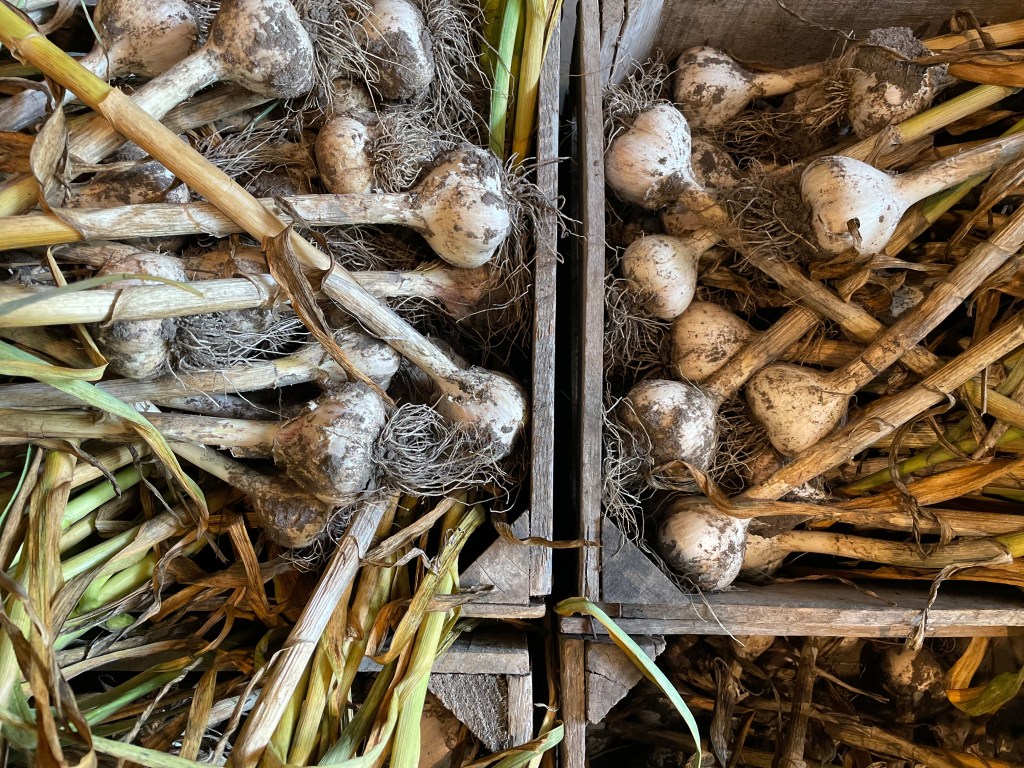
The third week in July is the time when we harvest garlic and we look forward to this task as one of our favorites. It’s always fun to pull out the bulbs as you never know what you’re going to find. Sometimes we accidentally planted the clove the wrong way up and so we find bulbs in crazy shapes. If we missed cutting off a scape in June, we’re likely to pull a ridiculously small-sized bulb. Of course, the most fun is finding a bulb that is really, really large. Those usually get a shout of “oh, my gosh! Look at this one!” I am pleased to say that it seems like we did a really good job on the garlic this year. Most of the bulbs are quite big and their cloves are as well. Now Simon and I will chill out in the barn when we’re having a hot afternoon this week, tying the plants we harvested together, and hanging them from the rafters to cure over the next three weeks.
Unfortunately, there are some crops that aren’t not doing as well as the garlic did this summer, and I’m trying to figure out why. Our tomato plants, even of the same varieties we grew last year, aren’t as vigorous this year and my pruning doesn’t explain all of the decreased growth. It’s taking a really long time for the eggplant and some peppers to set fruit. One of the farming listserv conversations that came through my in-box the other week was about whether any crops might have trouble because of the wildfire smoke we’re been experiencing this summer. I wondered about that, too, so I decided to do a little research, and it does seem as if there might be something to this for the following reasons.

First, smoke reduces the amount of direct sunlight that reaches plants which would seem to reduce their ability to photosynthesize and grow. However, one study found that the more diffuse light actually benefited the plants, so the jury seems to be out on this one.
Second, depending on your distance from the wildfires, deposits of fine particles can coat leaves which would further reduce photosynthesis. Normally, that is remediated when rain washes the leaves clean, but we don’t do much overhead watering, instead directing the water to the base of the plant and its roots, and there’s been little rain, as you know.
Finally, ozone levels increase with wildfire smoke and vehicle pollution, and certain plants are susceptible to injury from ozone which might impact growth and yields. The list doesn’t include those tomatoes, eggplants, and peppers I’m concerned about, but it does include potatoes which are in the same plant family, so who knows?
In reality, there are probably a lot of things at play (aren’t there always?!) and there is much more research needing to be done to understand how smoke impacts plants. Still, it does seem like it might be one of many different plausible explanations for what we’re seeing in the field this year or at least a contributing factor.
The good news is that delayed ripening doesn’t mean no ripening. We might just need to be a little more patient this year and the boxes might be a little less filled to the brim than we had hoped. However, as I tell my kids when I won’t let them buy strawberries from the store in the middle of winter… “Just hold on until ours are ready in the field. I promise they will be worth the wait, and the waiting will make us appreciate them all the more.”
Recipes
Best Bok Choy – Uses Bok Choy, Garlic, Green Beans, Red Onion (substitute Yellow Onion)
Cauliflower Salad with Greens Beans // Uses Cauliflower, Garlic, Green Beans // Vegetarian
Dill Cucumber Salad – Uses Cucumbers, Dill, Garlic // Vegetarian
Greek Stewed Green Beans and Yellow Squash with Tomatoes // Uses Dill, Green Beans, Garlic, Onions, Summer Squash (can also use Patty Pan or Zucchini), Tomatoes (can use Cherry) // Vegetarian
Green Beans with Cherry Tomatoes // Uses Cherry Tomatoes, Green Beans // Vegetarian
Spicy Parmesan Green Beans and Kale // Uses Green Beans, Kale (or substitute Chard) // Vegetarian
Stir Fry with Bok Choy and Chicken // Uses Bok Choy, Garlic, Jalapenos
 Middle Fork Farm