
I woke up this morning and thought: “I should have planted those mushrooms after all.” Every winter, I keep a list of all the things I need to research or accomplish before the growing season begins. This past year’s list included getting a farm sign designed and installed, finding better farm insurance, developing a business plan for the native plant enterprise, and learning how to grow mushrooms. As it tends to do though, life got busy, and I decided to push the mushroom-growing research to next winter. I figured it would probably be too dry again this year to get them going given that fungi thrive in wet conditions, and I wasn’t up for watering logs inoculated with mushroom spores all summer long. But now I think: Why didn’t I do it?!! We could have been enjoying homegrown shiitakes and oyster mushrooms by fall this year! Of course, Simon had to write me this haiku when he heard me talking about the mushrooms:
So much rain this week
Be careful what you wish for
It was dry last year
Ha! Ha! Touché, Simon, touché.
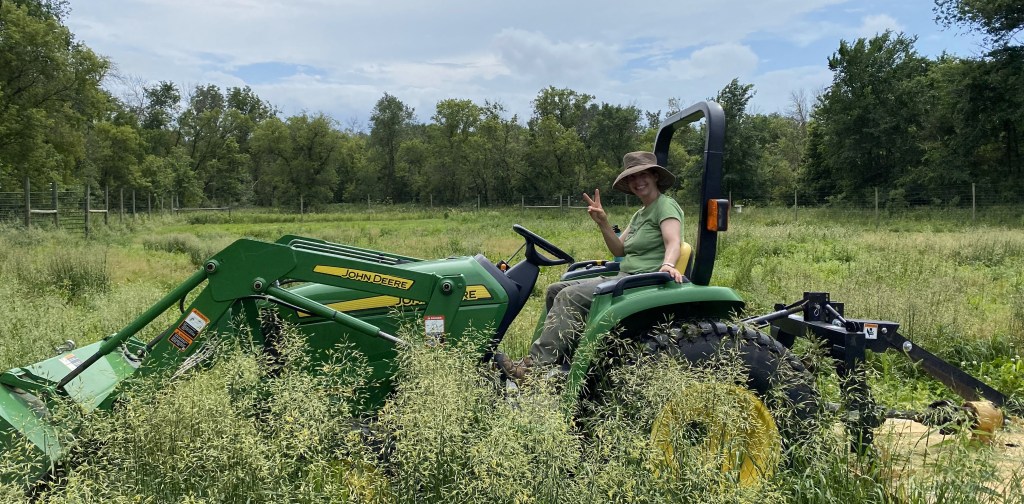
What’s in My Box this Week?
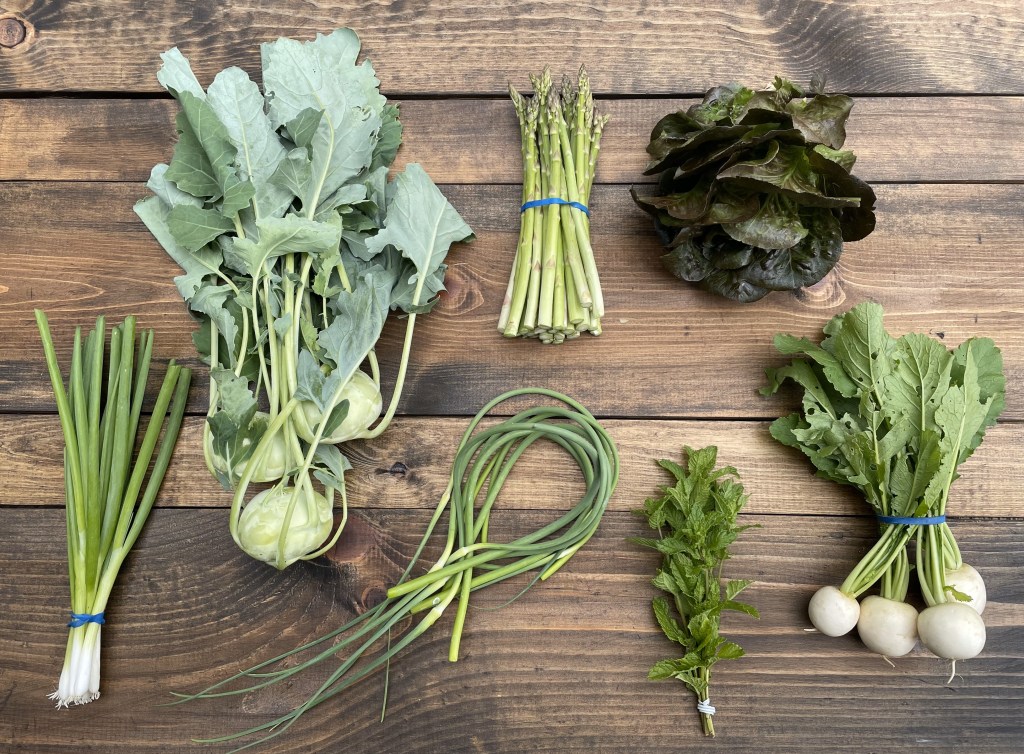
Asparagus – The best way to store asparagus is standing up in a glass or jar with all of the ends submerged in an inch or two of water. Loosely cover the asparagus with a plastic bag and keep in the fridge for up to a week.
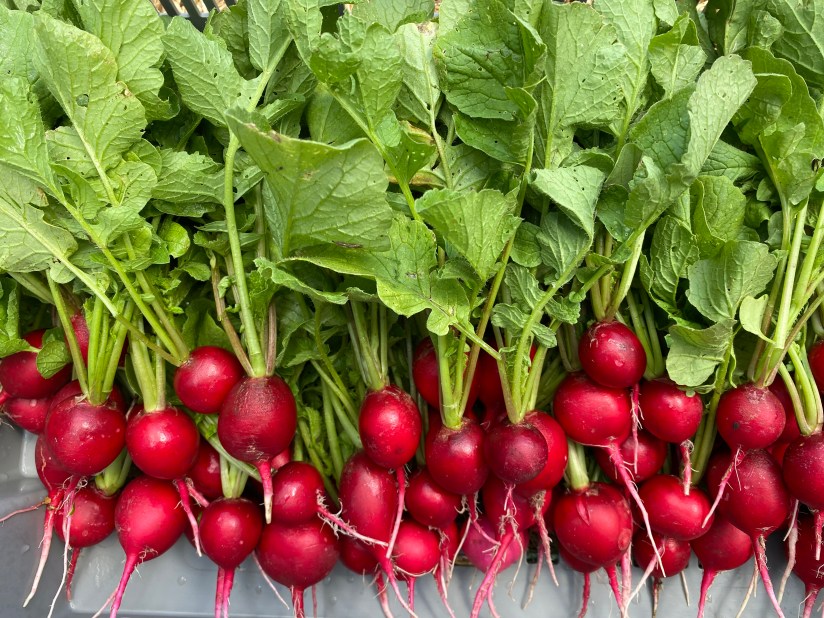
Cherry Belle Radishes (Large Shares Only) – These red beauties are an heirloom variety from Holland with a mild flavor and crisp texture. Store for up to two weeks in a plastic bag in the fridge.
For longer storage of roots, cut off the greens before placing the roots in the fridge and store the greens separately, ideally gently wrapped in a damp paper towel. Use the greens as quickly as possible.
Garlic Scapes – Garlic scapes will last up to three weeks loosely wrapped in plastic in your fridge. If you can’t get to them, they can also be chopped and frozen for later use.
Hakurei Salad Turnips – Salad turnips are delicate, tender and almost buttery in texture. These turnips are meant to be eaten raw and do not need to be roasted. Store in a plastic bag in the crisper drawer of your fridge. They will easily keep for six to eight weeks this way.
You can also eat the tender leaves, raw on sandwiches or in salads or smoothies, or cooked, thrown into a soup, stir fry, etc. If you are planning on using the leaves, make sure you cut them off of the roots right away and store them in a plastic bag with a paper towel in your fridge until ready to use. This will keep the roots from getting soft. If the leaves wilt before you get to them, simply submerge them in cold water until the perk back up.
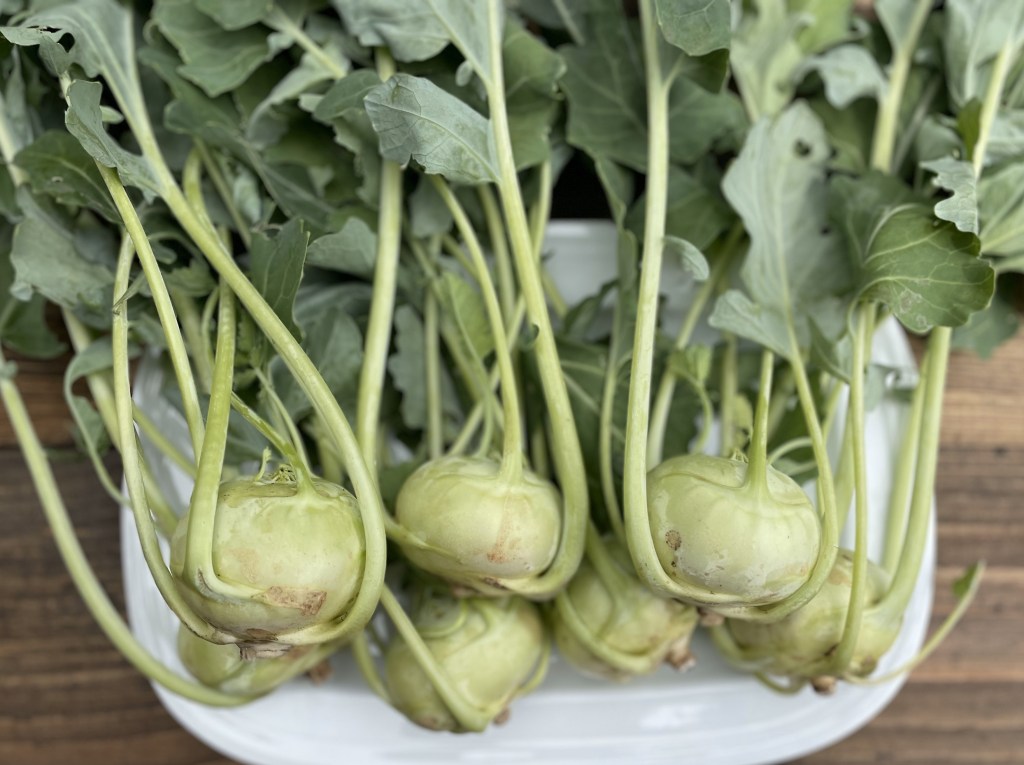
Kohlrabi – Store kohlrabi globe and leaves separately. The bulb will last for two weeks refrigerated in a plastic bag. Wrap leaves and stalks in a plastic bag and keep in the crisper drawer of the refrigerator. When ready to use, peel the outer layer first. This will remove those small brown spots which are simply where the bulb healed over after something or other took a few bites out of it and won’t affect the deliciousness at all.(Photo: High Mowing Seeds)
Lettuce – Store loosely in a plastic bag in the crisper drawer of your fridge. Keep unused leaves on the head. Ideally use within a week, but it will probably store for up to two weeks if needed.
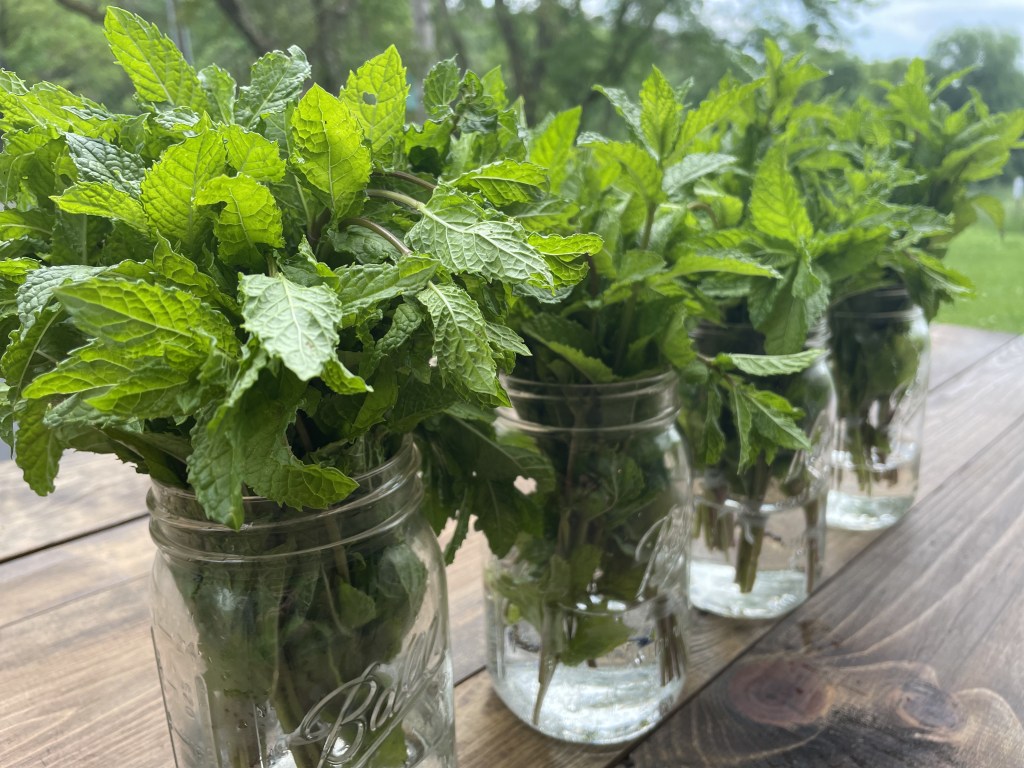
Mint – It’s starting to get hot out there. Mint is a super refreshing herb to help flavor all sorts of things that will help you cool off. For best storage, place in a small glass or jar (stem side down) in about an inch of water.
Scallions – Store in the veggie drawer of your refrigerator and try to use within a week. If you use these after a week, you can peel off any dry and/or “slimy” outer layers of the onion.
Notes from the Field
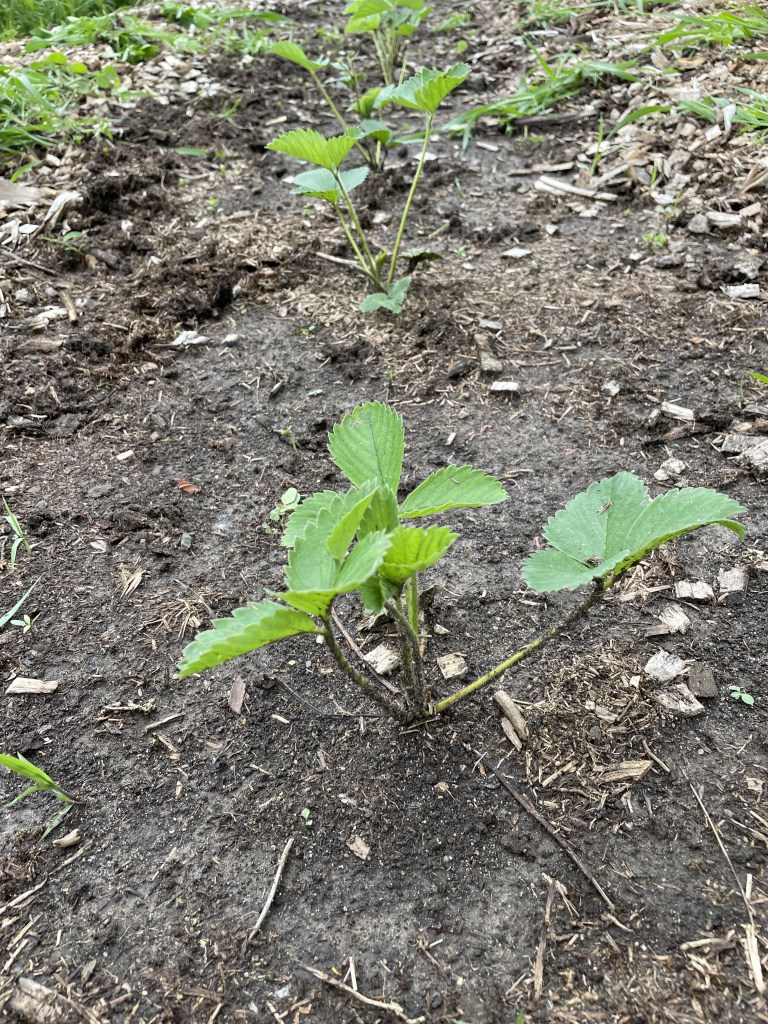
This past week was fairly quiet around here. In between bouts of rain, we finished thinning the beets and carrots, transplanted some green cabbage, and mowed and mowed and mowed. We also plucked the blossoms off of the newly planted strawberry plants. We did this so that the plants will concentrate their energy on root development rather than fruiting as this will ensure more plentiful fruit in the future.
We planted two new varieties this year: Honeoye (I have no idea how to pronounce that) and Jewel. These are June-bearing varieties, meaning that they flower and fruit just one time a year, usually beginning at the end of June and going into July. Last year we tried a couple of everbearing varieties of strawberries, too. These produce once in the early summer and once again in the fall, but they wear themselves out making all of that fruit and so are only productive for at most two years. While you only get one harvest with June-bearing plants, they tend to produce for upwards of five years if well-nurtured, and so we are going back to those types. These scrawny little plants will completely fill out their 36″ wide rows by fall. We’ll probably even have to prune them back by then to keep them from getting too unruly.
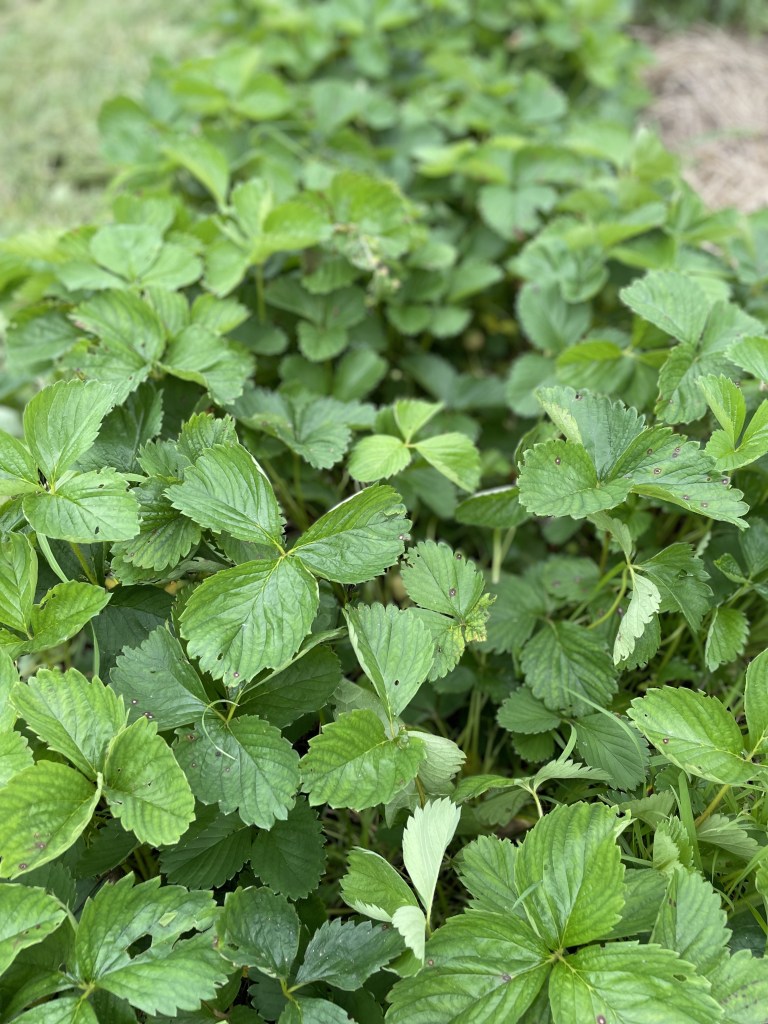
Right now, we are holding our breath to see what happens to this year’s strawberry crop. Besides strawberries being highly susceptible to fungi-causing diseases that tend to flourish under wet conditions, we’ve seen lots of blooms and many small berries which we are hoping will slow down their maturity. Once the berries start to enlarge and ripen, any rain beyond a certain amount will get pulled into the fruit by osmosis, leading to cracking.
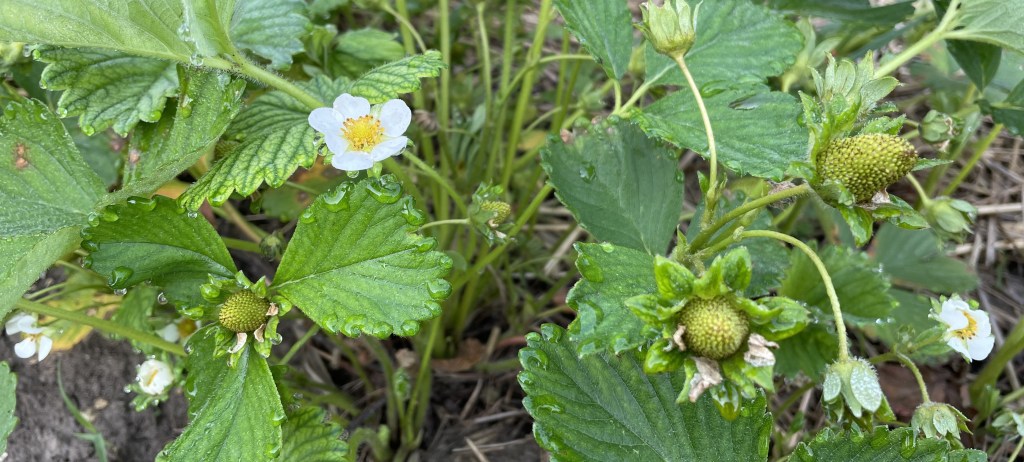
(For those of you who don’t remember 8th grade science, osmosis is the process by which water passes from a solution of a lower concentration of dissolved materials into one of a higher concentration of dissolved materials. Thus, when rain, which is water with almost nothing dissolved in it, lands on a mature strawberry fruit that is loaded with mostly sugars, it will get pulled into that fruit by osmosis and cause the strawberry to swell. Since less mature strawberries have fewer sugars in them, they incur less damage when it rains this much.)
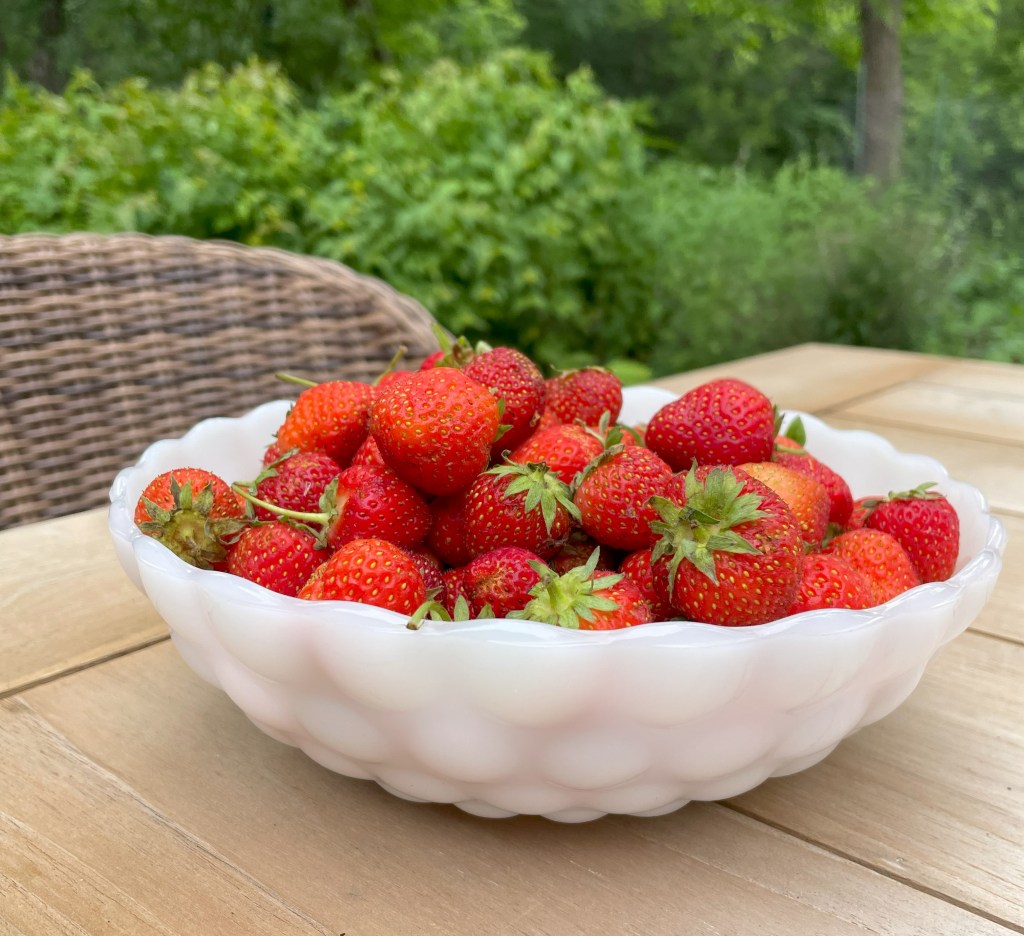
I know we are all anxious for strawberries, but let’s keep our fingers crossed that they stay small and unripe for a little while longer. This will mean more flavorful berries, too. I am already imagining… strawberries with cream, strawberry shortcake, strawberry jam, strawberry pies, strawberry lemonade, and handfuls of just plain strawberries. Is there anything better?
Featured Recipe
I was a picky eater when I was a kid and I grew up in a typical Midwestern home where the range of veggies that we had for dinner was fairly limited. I’m not alone in that. More than half of Americans’ veggie intake comes from just two crops – potatoes and tomatoes – and while I love those things, too, farming has helped me discover so many other tastes that were never known to me until well into adulthood. Like some of you, I’ve had to learn how to cook with and enjoy many of these “new” veggies, especially those that are somewhat unusual.
One of the veggies I’ve only recently discovered is kohlrabi. A member of the brassica family (think things like cabbage, broccoli, cauliflower, Brussels sprouts, and kale), kohlrabi means “cabbage turnip” in German and that is pretty much spot on: it looks like a turnip once its skin is removed and it tastes a lot like a cabbage. (Photo: Sow Right Seeds)
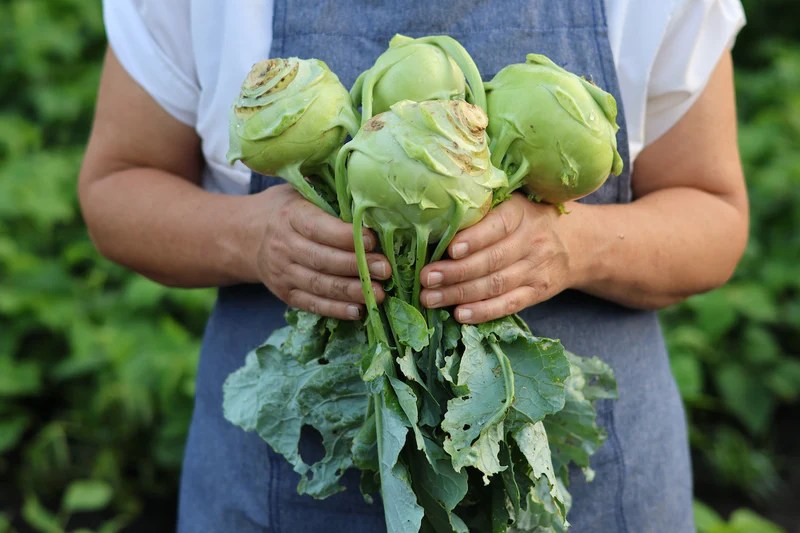
You can eat kohlrabi a bunch of different ways: cut it into sticks and eat it raw with some veggie dip, use it raw in salads, quick pickle it for a taco or grain bowl topping, or cook with it, too. The leaves can be eaten in cooked dishes in similar ways to how you would use kale, chard, or collards (e.g., soups, stir fries, sautéed with other veggies.) Here is a tutorial showing three different ways to cut up a kohlrabi, depending on how you use it.
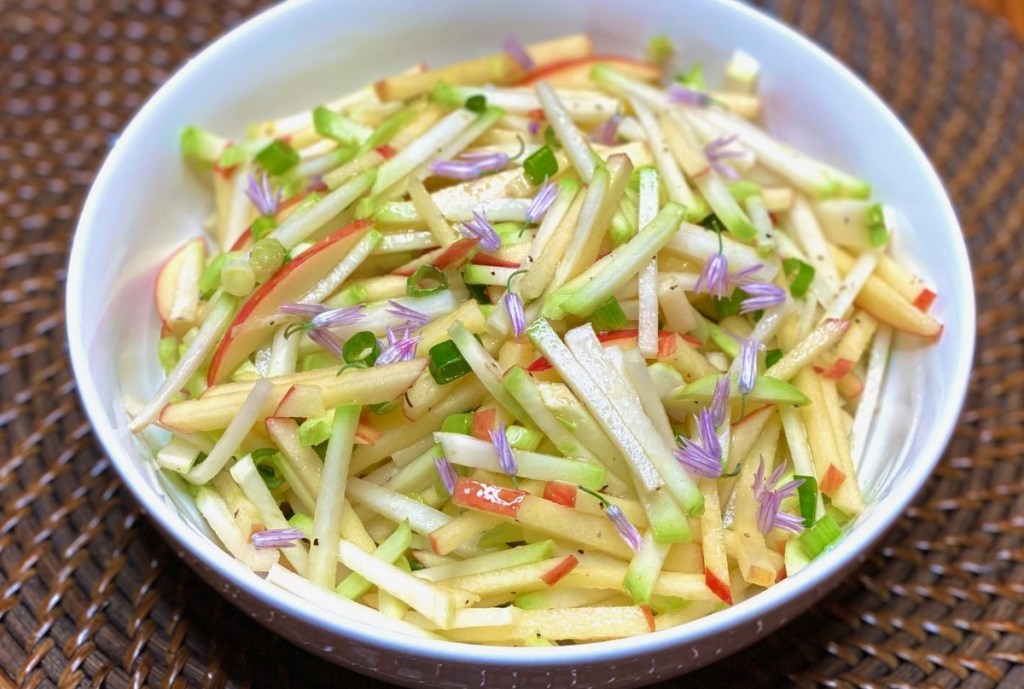
Here is a recipe that we discovered from another CSA farm a couple of years ago. Besides the kohlrabi you’re getting this week, it uses scallions, so you can throw those in, too. (Photo: Blooming Glen Farm)
There are a handful of other kohlrabi recipes here and here, too.
 Middle Fork Farm